Savvy
About This Book
In Mibs Beaumont's family, everyone develops a miraculous power — a savvy — on their thirteenth birthday. Mibs is about to turn thirteen when her father is badly injured in an accident, and she sets off on a cross-country bus journey convinced her incoming savvy will be enough to save him. Ingrid Law's Newbery Honor novel is magical, funny, and beautifully written.
Themes
MagicFamilyComing of Age
Best For
- Kids ages 9–12 who love fantasy but want grounded, emotional storytelling alongside the magic
- Families dealing with a difficult time who need a book that validates big feelings without being heavy-handed
- Strong readers ages 8–9 ready for their first longer chapter book with literary language
- Classroom read-alouds for grades 4–6 exploring coming-of-age and family themes
- Fans of Roald Dahl or Kate DiCamillo looking for a similarly distinctive authorial voice
Why Parents Love This Book
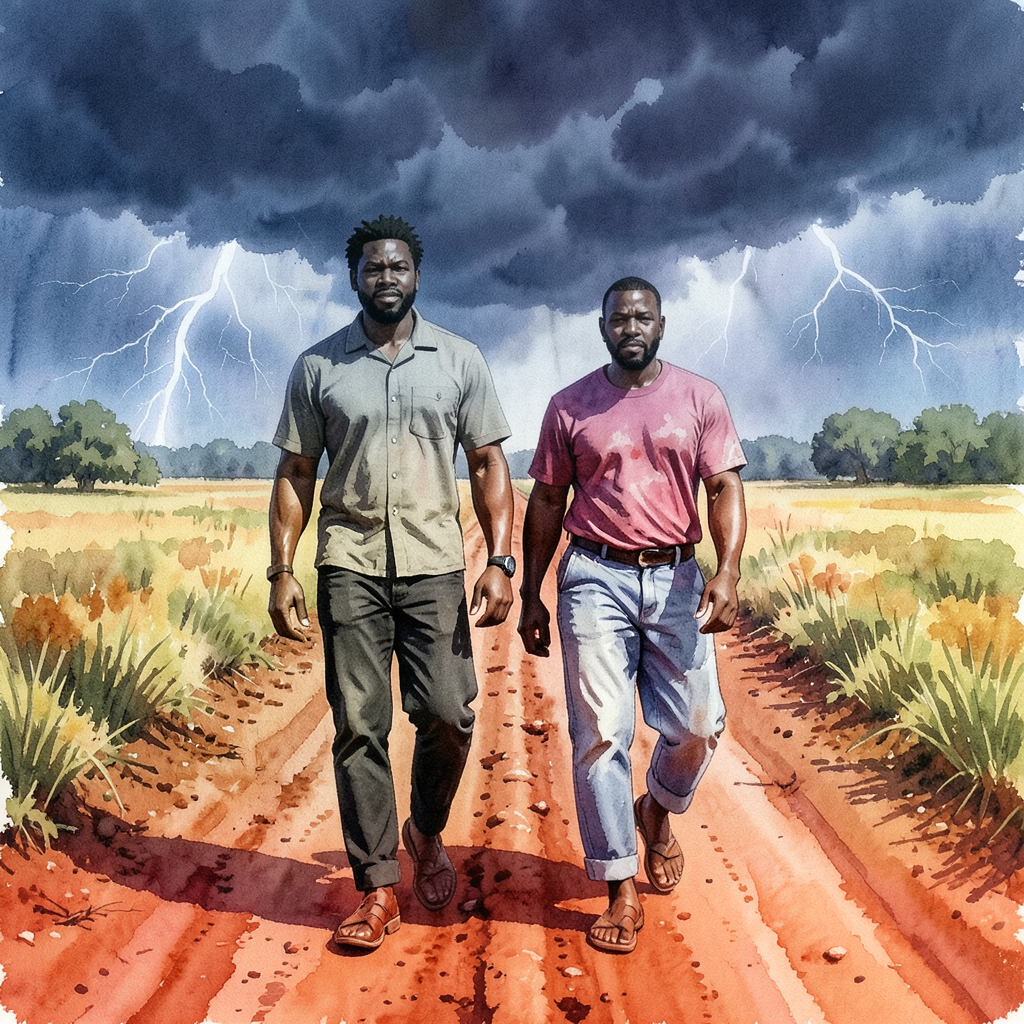
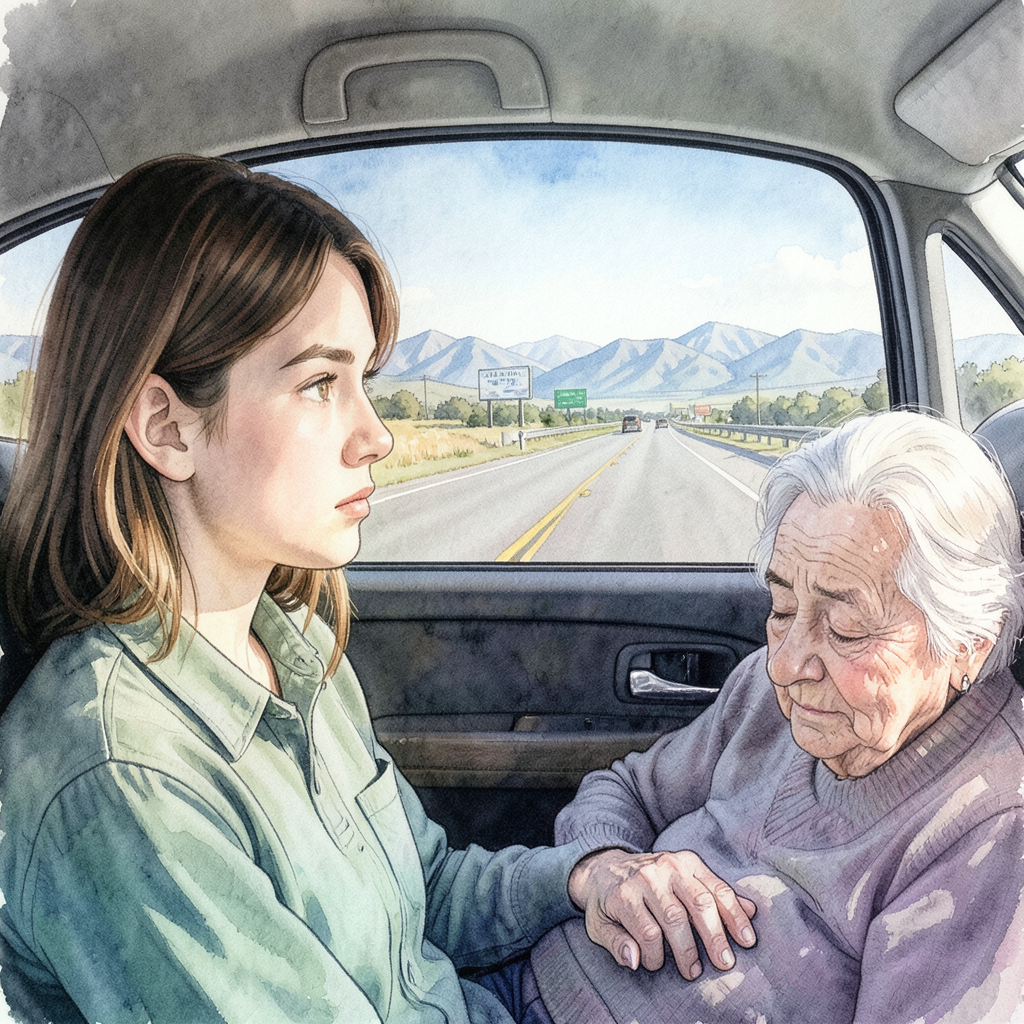
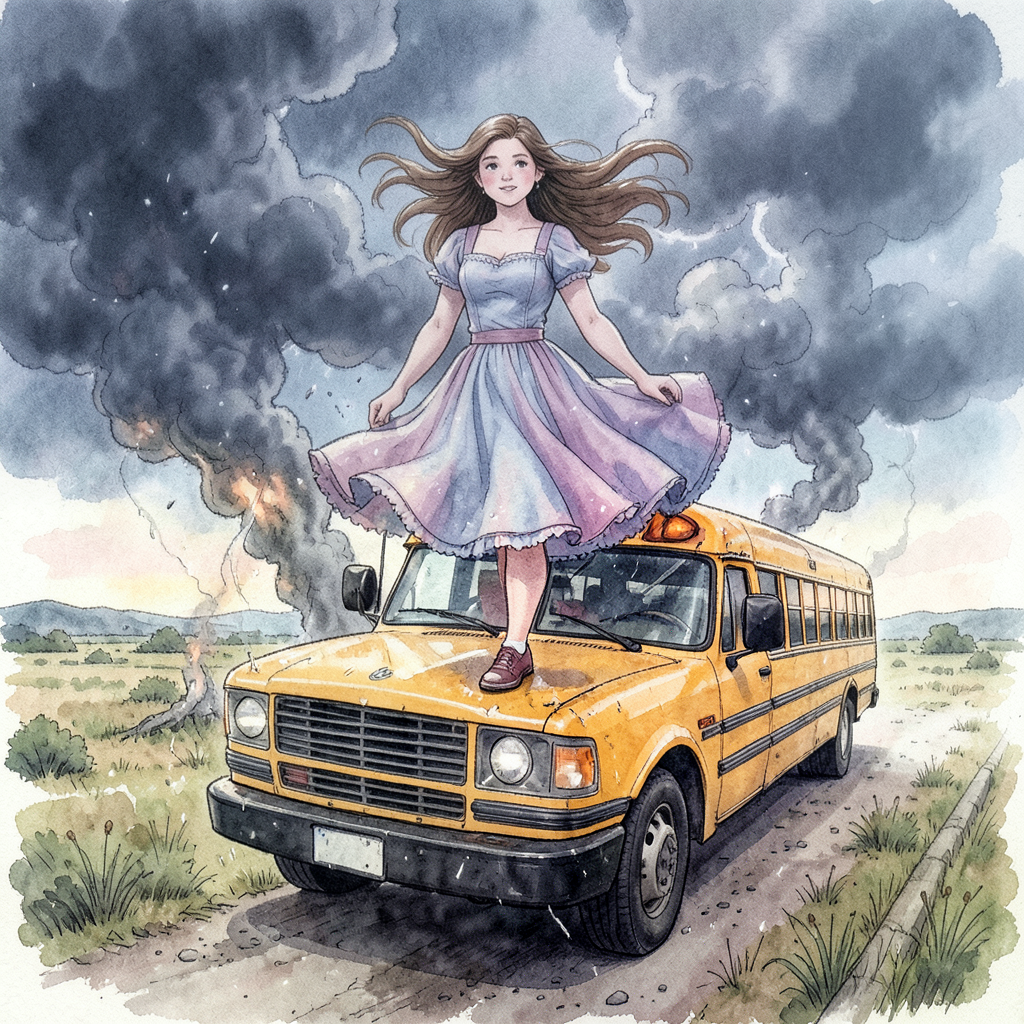
Savvy is one of those rare middle grade novels that earns its magic honestly. Ingrid Law invented an entire mythology — a family tradition of supernatural gifts called savvies that arrive on each child's thirteenth birthday — and made it feel completely believable. What sets this book apart is that the magic is never just spectacle. Brother Rocket makes electricity, brother Fish creates hurricanes, Grandpa learned to bottle up the land. Each savvy says something true about the person who carries it. At the center is Mibs, whose father is lying in a coma as her thirteenth birthday approaches. Her desperate bus-ride quest to reach him is funny, tender, and genuinely suspenseful. Law's prose has a Southern-tinged rhythm that reads aloud beautifully, full of inventive metaphors and warm family feeling. The book celebrates the idea that the things that make us strange are also the things that make us powerful — a message kids at this age genuinely need to hear. It lingers long after the last page.
Reading Tips for Parents
Savvy works beautifully as a read-aloud for ages 9 and up despite being positioned as independent reading. Law's lyrical prose rewards being heard, and passages about each family member's savvy make for natural stopping points to ask "What savvy would you want?" — a conversation kids love. The novel is roughly 340 pages, so plan on three to four weeks for independent readers in the 8–10 range, or about two weeks for stronger readers. Chapters are short and end with gentle cliffhangers, making it well-suited for bedtime reading in installments. If your child has ever felt like an outsider or worried about a family crisis, the themes here will resonate deeply. The sequel, Scumble (2010), follows cousin Ledger and is a satisfying next step for readers who want more of this world.
Awards & Recognition
- Newbery Honor Book, 2009
- New York Times Bestseller
Educational Value
This book helps children develop skills across multiple areas:
- Vocabulary: Law's prose is deliberately elevated and figurative — words like 'cataclysm,' 'ruckus,' and invented compound words stretch readers' language while staying accessible in context.
- Social-emotional learning: Mibs navigates fear, grief, helplessness, and hope around a parent's injury, giving children language for processing family crisis and uncertainty.
- Creative thinking: The savvy concept invites sustained imaginative play — children naturally extend the world-building by designing their own savvies and rules.
- Literary analysis: The novel is rich in metaphor and uses magical realism as a vehicle for character development, making it excellent for discussing how authors use fantasy to illuminate real emotions.
- Self-identity: The coming-of-age arc asks what it means to grow into yourself and accept gifts that feel burdensome or confusing before they feel like strengths.
- Empathy: Multiple characters on the bus have hidden struggles; the book rewards readers who look past surface impressions, modeling compassionate perspective-taking.
Discussion Questions
Use these questions to spark conversation before, during, or after reading:
- Mibs believes her savvy will be powerful enough to save her father. Have you ever been absolutely sure you could fix a problem, only to find out it was more complicated than you thought? What happened?
- Each person in the Beaumont family has a different savvy that reflects something about who they are. If you were going to get a savvy on your thirteenth birthday, what do you think it might be — and why?
- Mibs makes some risky choices on her journey, like sneaking onto the bus. Do you think she made the right call? What would you have done differently?
- By the end of the book, how has Mibs's idea of what her savvy is — and what it means — changed from what she first expected?
- The Beaumont family keeps their savvies secret from the outside world. Why do you think they have to hide? Do you think that is fair?
Content Notes for Parents
A parent is seriously injured in an accident and spends much of the story in a coma, which may be upsetting for children who have experienced a family medical emergency. The peril is handled with warmth rather than graphic detail, and the story's overall tone is hopeful and affirming.
Frequently Asked Questions
What age is Savvy best suited for?
The publisher targets ages 10–14, but confident readers as young as 8 or 9 handle it well, especially with a parent reading alongside. The themes of parental illness and identity resonate most strongly around ages 10–12. Very sensitive younger readers may find the father's accident distressing.
Is there anything scary or inappropriate in the book?
The main concern is that Mibs's father is in a coma following a car accident, which drives the entire plot. The situation is treated with seriousness but not graphic detail. There is no violence, romance beyond a mild crush, or content parents typically flag. Overall it is a very safe choice for middle grade readers.
My child loved Savvy — what should they read next?
The sequel, Scumble (2010), follows Mibs's cousin Ledger and fits seamlessly into the same world. Beyond the series, fans often love The Girl Who Drank the Moon by Kelly Barnhill, A Wish in the Dark by Christina Soontornvat, or Flora and Ulysses by Kate DiCamillo — all share Savvy's blend of magical imagination and emotional honesty.
Is this book appropriate for a school book report or classroom use?
Yes — it was a Newbery Honor book and is widely taught in grades 4 through 6. It supports strong literary analysis through its use of metaphor, magical realism, and clearly defined character arcs. Discussion guides are available from the publisher and many school library resources.
Does the story have a satisfying ending, or does it leave things unresolved?
The main narrative — Mibs's quest to reach her father and her journey toward understanding her savvy — resolves fully and satisfyingly. A few threads are left lightly open in ways that feel natural rather than frustrating, and the sequel picks them up for readers who want more.