Ten Little Fingers and Ten Little Toes
About This Book
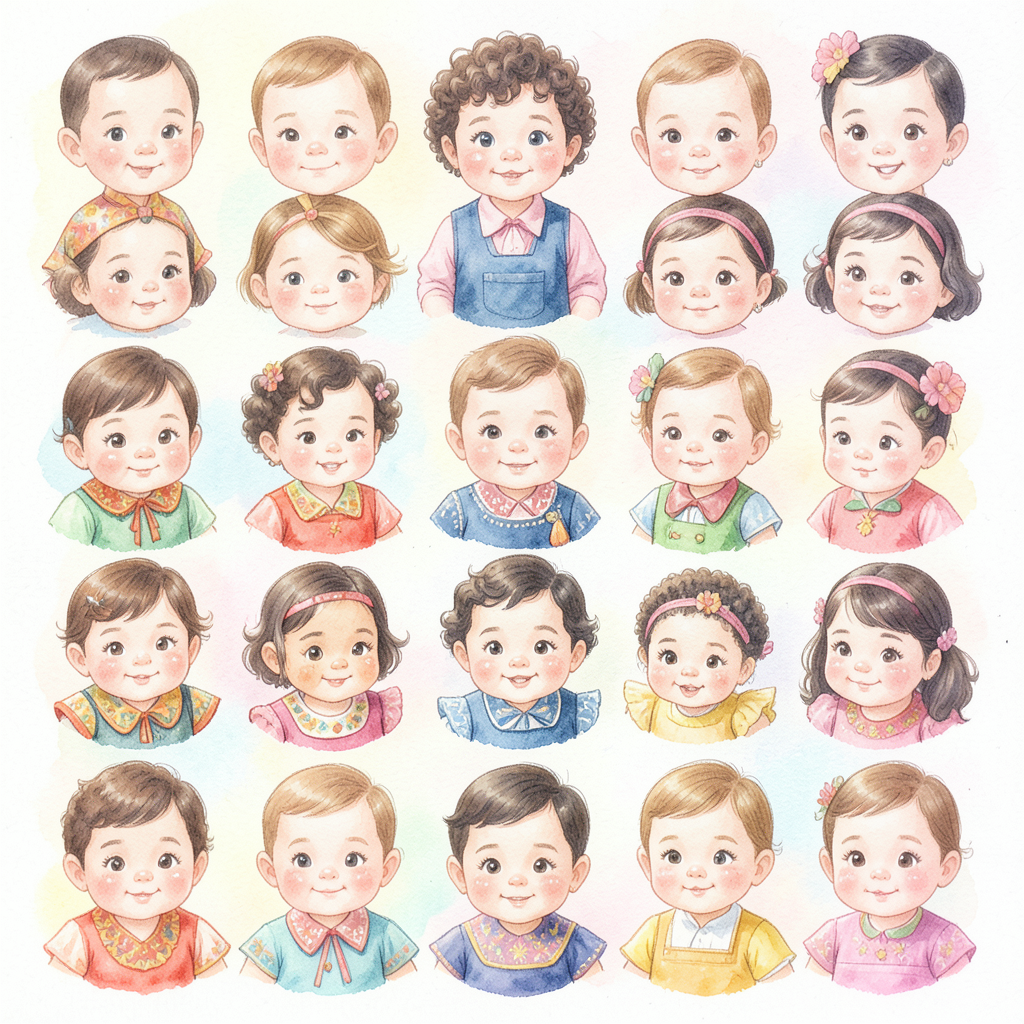
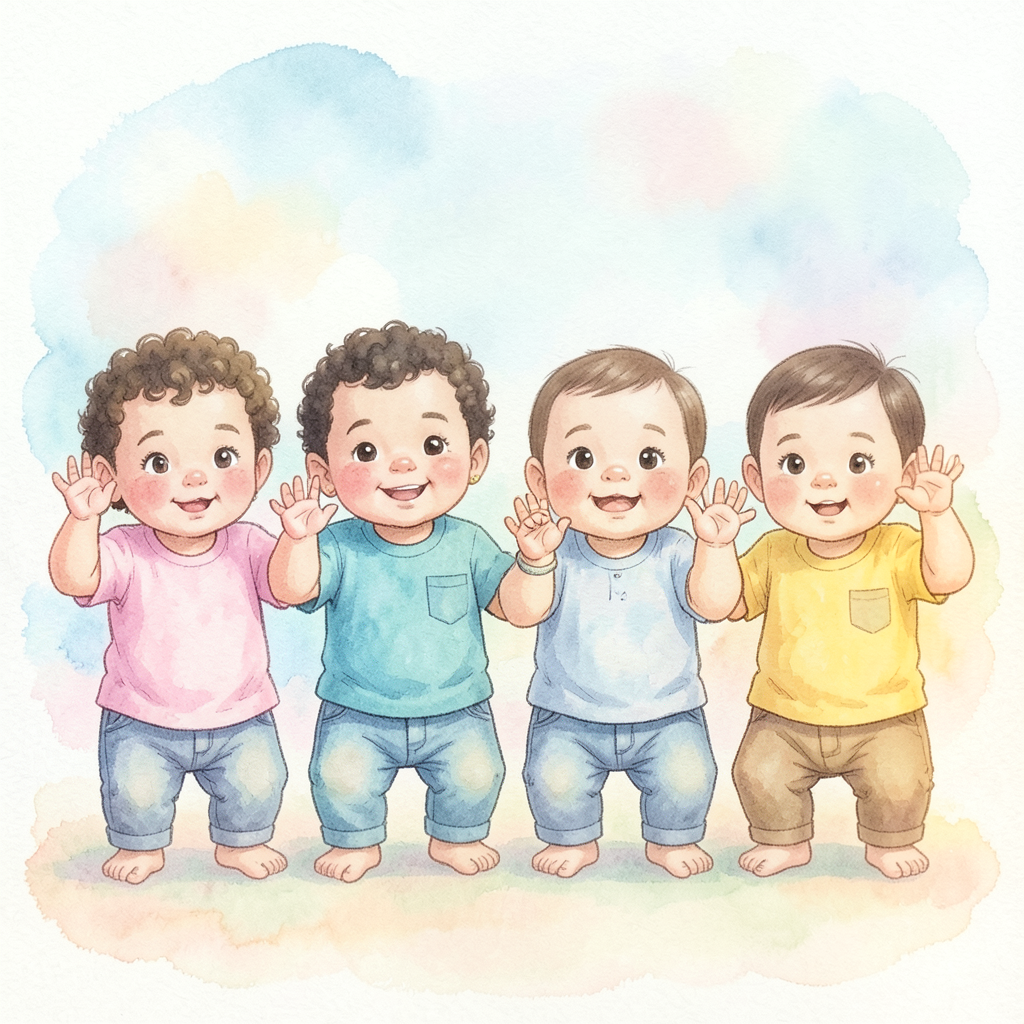
Babies born in different places across the world share one universal thing: ten little fingers and ten little toes. Mem Fox's gentle, lulling text paired with Helen Oxenbury's luminous illustrations celebrate the joyful sameness beneath all human difference, making this a perfect first book about love and belonging across cultures.
Themes
DiversityLoveBabies
Best For
- Newborn gift — one of the best first books to give at a baby shower or birth
- Bedtime routine — the lullaby-like rhythm naturally winds babies down
- Families with children of different cultural backgrounds who want inclusive, affirming stories
- Grandparents and caregivers looking for a short, easy-to-memorize book to read aloud
- Introducing the concept of counting in a natural, playful context
Why Parents Love This Book
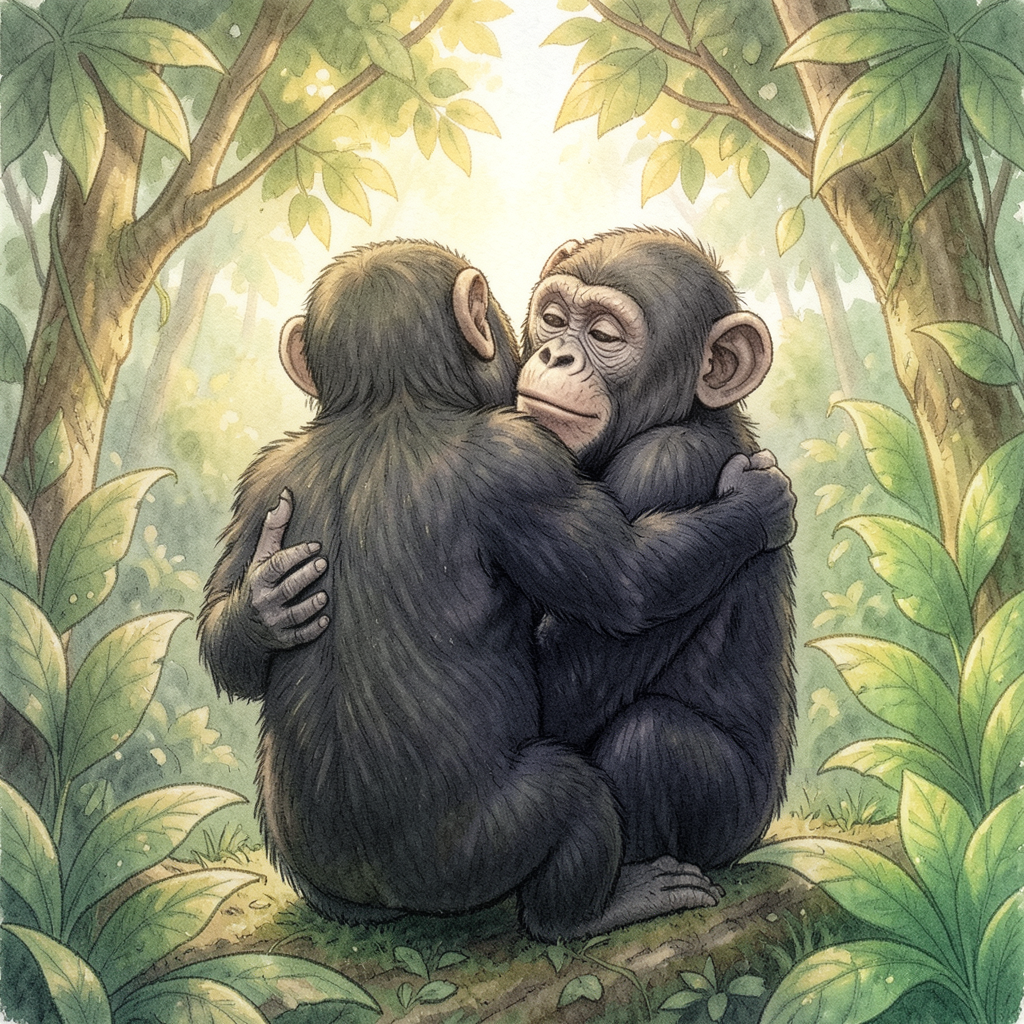
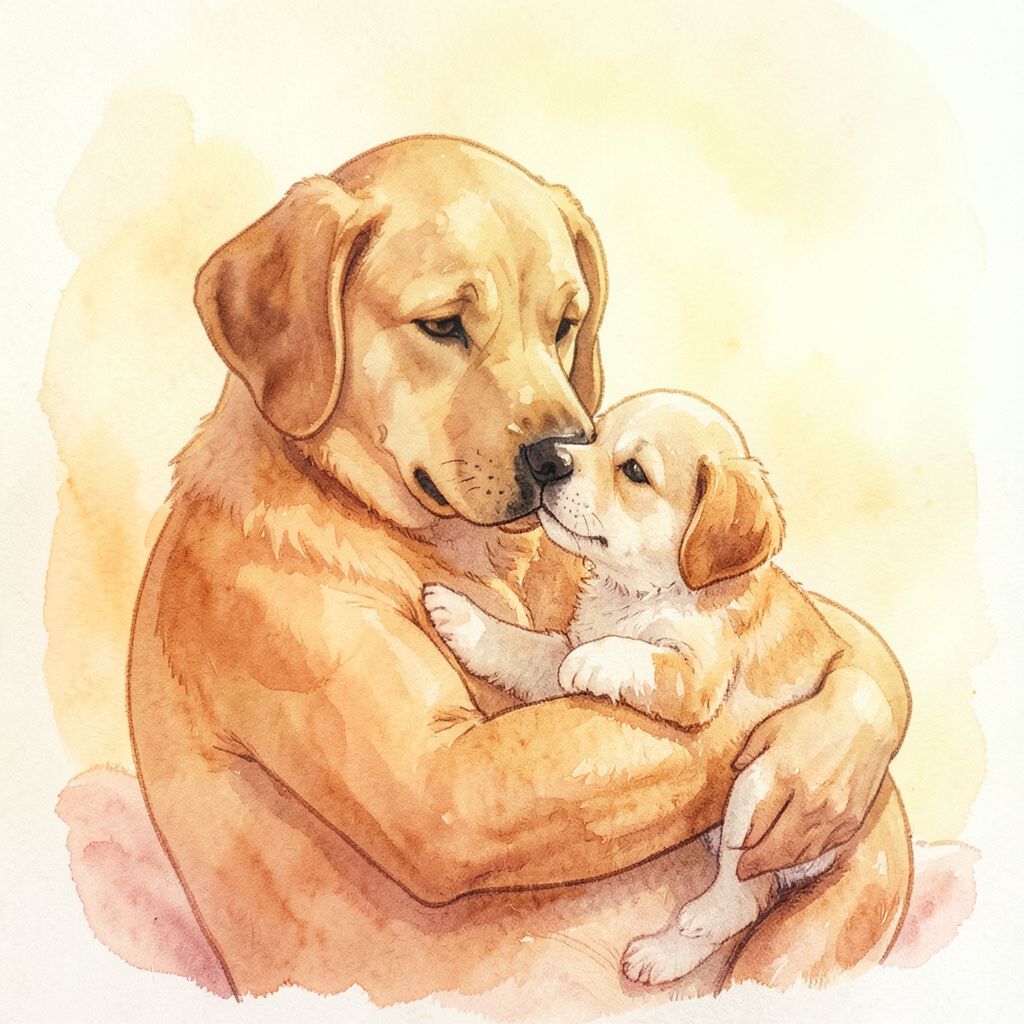
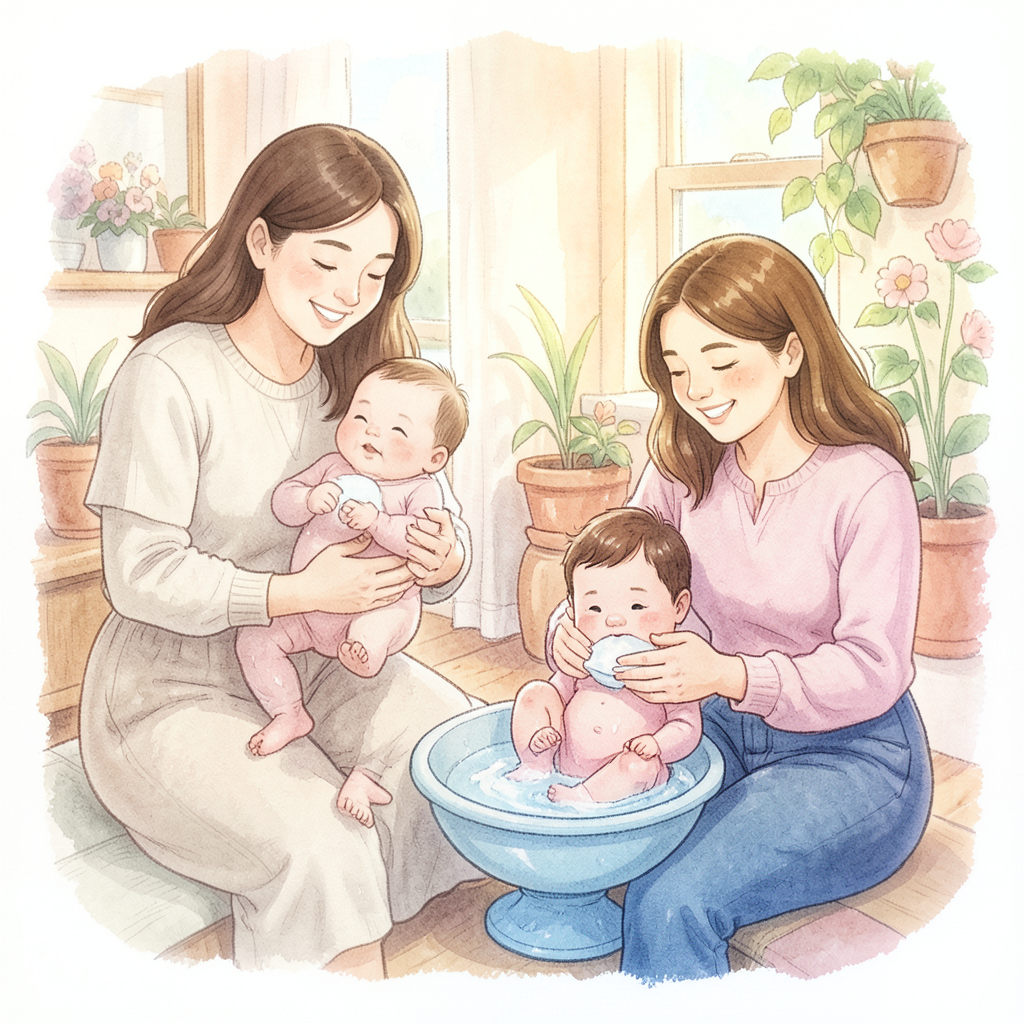
Mem Fox and Helen Oxenbury have created something rare: a book that feels like a lullaby you can hold. The text moves with a gentle, repeating rhythm — babies born here, babies born there, each arriving with ten little fingers and ten little toes — and that rhythm does something quietly profound. It draws a circle of sameness around children from snowy mountains, warm deserts, and everywhere in between. Oxenbury's watercolor illustrations are luminous and tender, each baby rendered with a warmth that invites touch. The final spread, where a loving caregiver leans in for a kiss, lands with emotional weight that catches parents off guard in the best way. What makes this book endure is its generosity: it never lectures about diversity, it simply shows it, wrapped in the most universal truth of new life. For a book aimed at babies, it carries a depth that speaks directly to the adults reading it aloud.
Reading Tips for Parents
The repetitive structure is your greatest ally here. Read it slowly, pausing after each "and ten little toes" to let your baby anticipate the phrase. Many families naturally incorporate wiggling baby's toes or counting fingers during those pauses — this physical connection deepens engagement even for very young infants. The rhythm makes it easy to memorize, so you can recite it during diaper changes or bath time without the book in hand. For older babies and toddlers, point to the illustrations and name what you see. The final page invites you to lean in and give your own child a kiss, which makes for a natural, loving ritual at bedtime. This book works beautifully as a first read-aloud from newborn age onward.
Awards & Recognition
- New York Times Bestseller
- Book Sense Children's Pick
Educational Value
This book helps children develop skills across multiple areas:
- Counting: The title and repeated refrain introduce the number ten and reinforce one-to-one correspondence as caregivers count fingers and toes on the baby in their lap.
- Social-emotional: The book communicates belonging and universal love, helping even very young children absorb a sense of security and shared humanity.
- Vocabulary: Simple but precise language introduces words like 'fingers,' 'toes,' and place-based descriptors, building early noun awareness.
- Phonological awareness: Mem Fox's rhythmic, rhyming text trains young ears to hear patterns in language, a foundational pre-reading skill.
- Cultural awareness: Illustrations depict babies of diverse ethnicities and environments, naturally broadening a child's early sense of the wider world.
- Emotional literacy: The tender final spread models affection and caregiving, giving children language and imagery for love and connection.
Discussion Questions
Use these questions to spark conversation before, during, or after reading:
- Can you count your fingers with me? Now let's count your toes! Do you have ten of each?
- The babies in this book come from many different places. What do you think makes all babies the same?
- Which baby in the pictures do you like looking at most? What do you notice about them?
- At the end, the grown-up gives the baby a kiss. Who gives you kisses? Who do you like to hug?
- If you could meet one of the babies in this book, what do you think you two would do together?
Content Notes for Parents
There are no scary, sad, or mature elements in this book. It is entirely gentle and reassuring in tone, suitable for all audiences from newborn onward.
Frequently Asked Questions
What age is this book best for?
It works from birth onward. Newborns respond to the rhythmic, soothing cadence even before they can focus on illustrations. Toddlers up to age three enjoy pointing at the babies and anticipating the repeated phrase. Most families find they read it consistently through the first two to three years.
Is the diversity in this book handled naturally, or does it feel forced?
It feels entirely natural. The book never makes a point of saying 'look how different we all are' — it simply shows babies from various parts of the world existing side by side, connected by something universal. The message lands through imagery and rhythm rather than instruction, which is exactly right for this age group.
How long does a read-aloud session take?
The book is short — most parents read it in about three to four minutes at a relaxed pace. This makes it ideal for squirmy babies with short attention spans, and easy to fit into a bedtime routine alongside one or two other books.
Are there any content concerns I should know about?
None at all. The book is warm, gentle, and entirely reassuring. There is nothing scary, sad, or complex — it is one of the most universally safe choices for very young children.
What books are similar to this one?
Fans of this book often also love 'Wherever You Are: My Love Will Find You' by Nancy Tillman for its similar emotional warmth, and 'Global Babies' by the Global Fund for Children for its photographic take on the same universal theme. Mem Fox's own 'Time for Bed' shares the same lullaby quality and is a natural companion read.