Blue Hat, Green Hat
About This Book
A duck, a moose, a bear, and a turkey each dress for the day — but the turkey keeps getting it hilariously wrong. Sandra Boynton's classic teaches colours and clothing with deadpan humour that delights toddlers and adults alike on every re-reading.
Themes
ColorsHumorGetting Dressed
Best For
- Babies and young toddlers who are just beginning to identify colors and clothing items
- Morning get-dressed routines that need a jolt of silliness to go smoothly
- Lap reading with a caregiver who enjoys playing up the comedy with voice and expression
- Children who love repetition and predictable punchlines they can anticipate and shout out
- Gifting for baby showers or first birthdays — it is a genuinely timeless board book staple
Why Parents Love This Book
Blue Hat, Green Hat has been making babies and toddlers laugh since 1984, and it has not lost a single bit of its charm. Sandra Boynton built an entire comedic universe out of one simple joke: a duck, a moose, and a bear get dressed correctly while a well-meaning turkey gets everything spectacularly wrong — pants on the head, shoes on the ears, a shirt worn as pants. The punchline lands on every page with Boynton's signature deadpan delivery and the single word "OOPS." What makes this book genuinely special is that it works on two levels at once. Toddlers are just beginning to understand categories and rules, so the turkey's mistakes are both instructive and thrillingly funny — they know what is supposed to happen, and the turkey keeps defying it. Adults reading aloud get to enjoy Boynton's dry wit and the perfectly timed pacing. Four decades after publication, this remains one of the clearest examples of picture-book comedy done exactly right: simple, visual, repeatable, and utterly joyful.
Reading Tips for Parents
Use your voice to make the turkey's chaos land. Read the correct pages in a calm, matter-of-fact tone, then let "OOPS" be a big, surprised exclamation — toddlers will start anticipating it and may shout it along with you. Point to each color word as you say it and ask your child to point to something nearby that matches. When your child begins to recognize the pattern, pause just before "OOPS" and let them fill it in. This book pairs naturally with getting dressed in the morning: hold up a shirt and ask, "Does this go on our head or our body?" After a few readings, try reversing roles and letting your toddler "read" the book back to you by naming what they see. The short page count and large illustrations make it ideal for babies as young as six months who are drawn to bold, contrasting images.
Awards & Recognition
- New York Times Bestseller (Sandra Boynton's board book series)
- Listed among the American Library Association's most frequently checked-out children's books of all time
Educational Value
This book helps children develop skills across multiple areas:
- Color recognition: Each page introduces a single color word in large, bold text alongside a clear matching illustration, giving toddlers repeated, low-pressure exposure to blue, green, red, and yellow.
- Vocabulary: Clothing words — hat, shirt, pants, shoes — are introduced with direct visual reinforcement on every spread, building early noun vocabulary.
- Sequencing and pattern recognition: The repeating structure (correct, correct, correct, OOPS) trains young children to identify patterns and predict what comes next.
- Humor and social-emotional learning: Children practice the cognitive skill of understanding that something is wrong, which is foundational for both humor comprehension and early empathy.
- Early literacy: The minimal, repetitive text makes this an ideal book for toddlers to memorize and 'read' back, building confidence and print awareness.
- Self-care skills: The getting-dressed theme reinforces real daily routines and gives children language to talk about clothing and how it is worn correctly.
Discussion Questions
Use these questions to spark conversation before, during, or after reading:
- Can you point to something in this room that is the same color as the turkey's hat?
- Why do you think the turkey keeps making mistakes? Do you think the turkey knows it is wearing things the wrong way?
- What would happen if YOU wore your shoes on your ears? How would that feel?
- Which animal in the book do you think is the best at getting dressed? How can you tell?
- Can you show me how YOU put on a hat the right way?
Content Notes for Parents
There are no scary, sad, or mature elements in this book. It is completely gentle in tone and humor — the turkey's mishaps are purely comedic and consequence-free.
Frequently Asked Questions
What age is Blue Hat, Green Hat best suited for?
The book works well from around six months through age three. Babies are drawn to the bold, simple illustrations and high-contrast colors, while toddlers aged one to three get the most out of the humor once they understand basic rules about how clothing is worn. Many families find that two-year-olds in particular find the turkey absolutely hilarious.
Is this book too simple for a two- or three-year-old?
Not at all. The humor in this book actually requires a degree of cognitive sophistication — your child has to know the correct way to wear a hat in order to find it funny when the turkey wears it on its foot. Three-year-olds often engage with it as a comedy performance, anticipating the punchlines and acting them out. The simplicity of the text is a feature, not a limitation.
Are there any concerns I should know about before reading this to my child?
There are none. The book is entirely gentle, funny, and age-appropriate. The turkey's mistakes are played purely for laughs with no negative consequences, making it a stress-free read for even the youngest children.
What books are similar to this one if my child loves it?
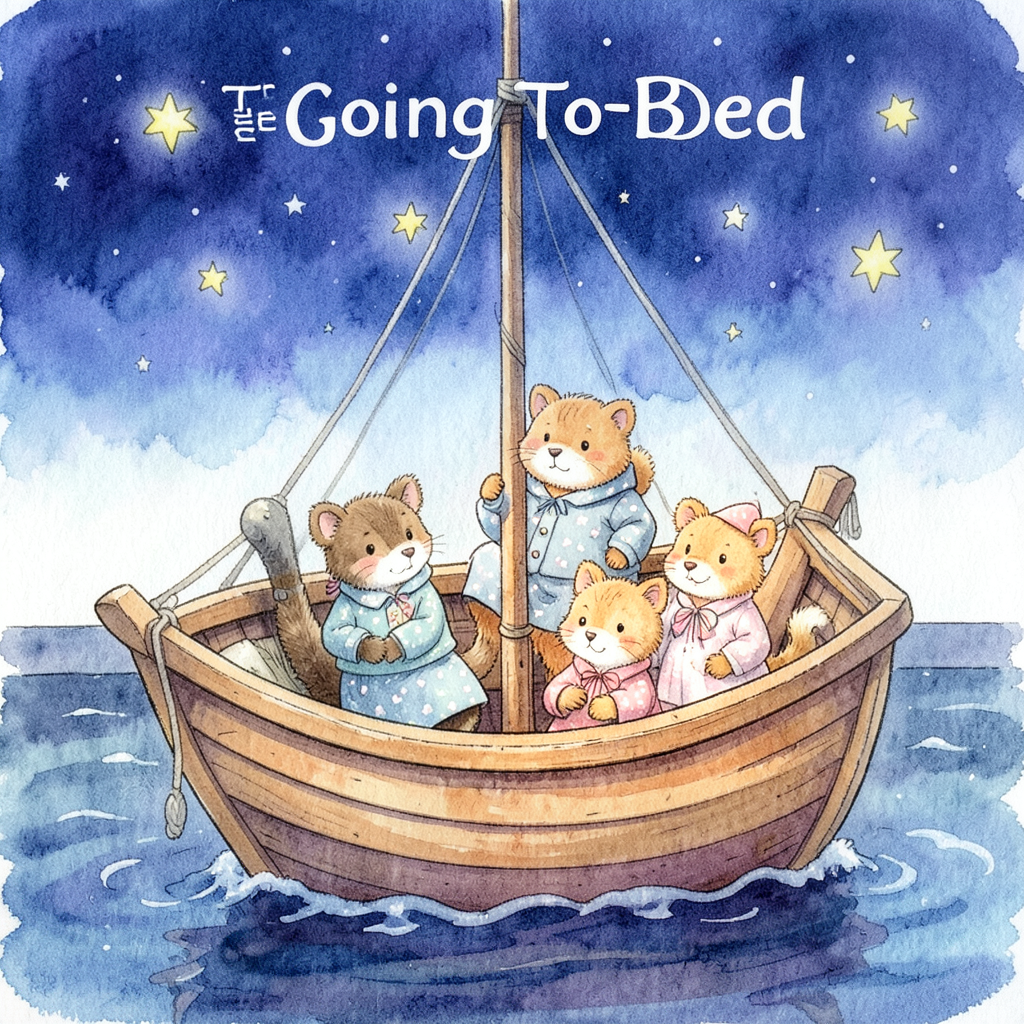
Sandra Boynton's other board books are the most natural next step — Moo, Baa, La La La!, The Going to Bed Book, and Barnyard Dance share the same humor, rhythm, and animal characters. If your child enjoys the color-learning angle, Dr. Seuss's My Many Colored Days and Bill Martin Jr.'s Brown Bear, Brown Bear, What Do You See? are excellent companions.
Can I use this book to help my toddler learn to get dressed independently?
Absolutely — this is one of the book's best real-world uses. After a few readings, toddlers who know the story often become more motivated to put clothes on correctly because they want to prove they are not like the turkey. You can lean into this by narrating the morning routine with the same color-and-clothing language the book uses.