Moo, Baa, La La La!
About This Book
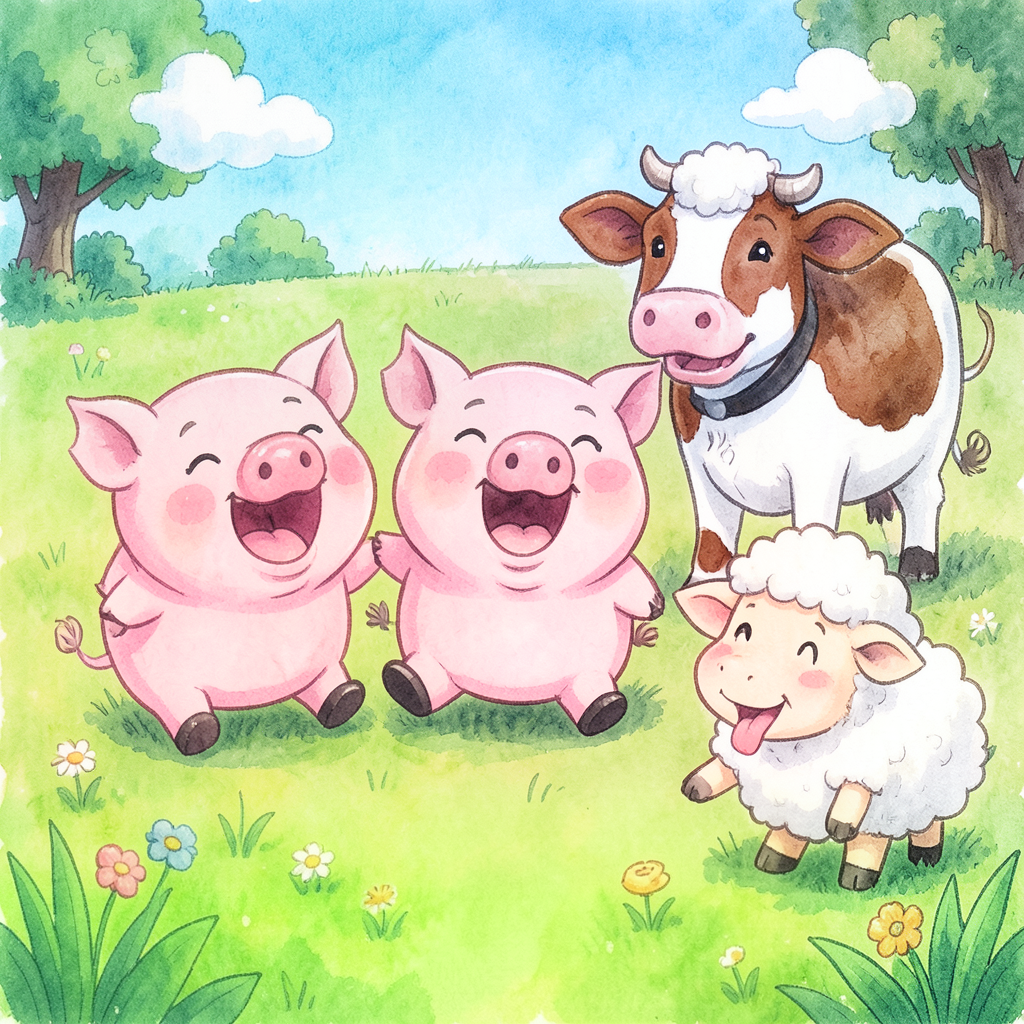
Cows moo, sheep baa, and three singing pigs say la la la in this playful introduction to animal sounds. Sandra Boynton's round, expressive animals and silly surprises make this a favorite for toddlers discovering the sounds of the world around them.
Themes
AnimalsSoundsHumor
Best For
- Bedtime or naptime wind-down reading for babies and young toddlers
- Interactive read-alouds with children aged 12-24 months who are learning to imitate sounds
- Waiting rooms, car trips, or any situation requiring a quick, engaging distraction
- First book gifts for newborns — the sturdy board format and short length suit even the earliest months
- Families looking for a book adults will genuinely enjoy re-reading dozens of times without losing their minds
Why Parents Love This Book
Sandra Boynton's "Moo, Baa, La La La!" has been delighting babies and toddlers since 1982, and it shows no signs of slowing down. What makes it so enduring is Boynton's perfect understanding of what tiny children find irresistible: rhythm, repetition, and a well-timed silly surprise. The book sets up a simple, satisfying pattern — animal appears, animal makes its sound — and then gleefully breaks its own rules with three pigs who burst into song with an enthusiastic "La la la!" That comic subversion lands every single time, prompting giggles from babies who are just beginning to understand how the world is supposed to work. Boynton's illustration style is equally winning: her animals are round, expressive, and brimming with personality despite their simple lines. The text reads aloud like a song, making it easy for caregivers to add their own theatrical flair. At just over a dozen pages, it respects the attention span of its audience while delivering genuine humor. Decades later, it remains one of the best examples of how a board book can be genuinely funny for adults and babies alike.
Reading Tips for Parents
This book rewards performance. Try slowing down dramatically before the pigs appear, building anticipation, then delivering "La la la!" in your most operatic voice — babies respond to that comedic timing even at very young ages. Once your child is around 12-18 months, pause before each animal sound and let them fill it in; many toddlers memorize this book quickly and love the chance to "read" it themselves. Point to each animal and name it before reading the text to layer in vocabulary. Because the pages are sturdy board book construction, this is a great choice for independent exploration — your child can handle it without supervision. Re-reading is the point here: repetition is how toddlers learn, and each reading reinforces sound-word-animal connections. Keep it in your diaper bag rotation for waiting rooms and car rides.
Awards & Recognition
- New York Times Bestseller — Sandra Boynton's board books collectively have sold tens of millions of copies and routinely appear on bestseller lists
- Boynton's board book series, including this title, is recognized by Publishers Weekly as among the best-selling board book series of all time
Educational Value
This book helps children develop skills across multiple areas:
- Vocabulary: Introduces animal names (cow, sheep, pig, dog) paired directly with their images, building early noun recognition.
- Phonological awareness: The rhythm and rhyme of the text help babies tune into the sounds of language, a foundational pre-literacy skill.
- Cognitive development: The book's pattern setup and comic break (pigs singing instead of oinking) teaches young children to notice when expectations are violated — early logical thinking.
- Social-emotional: Shared laughter over the singing pigs creates bonding moments between caregiver and child, reinforcing that books are joyful and safe.
- Early science: Matching animals to their sounds is an early classification skill, connecting creatures to their real-world behaviors.
- Speech and language: The short, distinct animal sounds are ideal for imitation practice, encouraging toddlers to vocalize and develop speech.
Discussion Questions
Use these questions to spark conversation before, during, or after reading:
- What sound does a cow make? Can you moo like a cow?
- Why do you think the pigs say la la la instead of oink? What sound do you think pigs should make?
- Which animal in the book is your favorite? Why?
- Can you think of another animal we didn't see in the book? What sound does it make?
- What would you say if someone asked you what sound YOU make?
Content Notes for Parents
There are no scary, sad, or mature elements in this book. It is entirely gentle and humorous, making it appropriate for even the youngest readers from birth onward.
Frequently Asked Questions
What age is this book best for?
This book works from birth through about age 3. Very young babies enjoy the rhythm and vocal variety when a caregiver reads aloud expressively. Toddlers around 12-24 months hit the sweet spot, as they can begin imitating sounds and anticipating the pigs' surprise. By age 3, most children have it memorized and use it as an early 'reading' confidence builder.
How can I make storytime more interactive with this book?
Pause before each animal sound and look at your child expectantly — many toddlers will fill in the sound themselves after just a few readings. Use exaggerated voices: a low moo, a bleating baa, and a theatrical operatic la la la for the pigs. You can also point to body parts on the animals or ask your child to find the cow, the sheep, or the pigs on each page.
Is there anything in this book that might upset a sensitive child?
No. The book is entirely lighthearted with no conflict, loss, or frightening imagery. Even the most sensitive toddlers typically find the silly pigs funny rather than confusing or upsetting. It is one of the gentlest board books available.
My toddler wants me to read this 10 times in a row. Is that normal?
Completely normal and actually developmentally healthy. Repetition is how toddlers consolidate language, memory, and comprehension. Each re-reading reinforces the animal-sound connections and lets your child feel the pleasure of knowing what comes next. If you need strategies to stay sane, try varying your delivery — whisper it, sing it, read it very slowly — which keeps it fresh for you while still satisfying your child's need for the familiar.
What books are similar to this one if my child loves it?
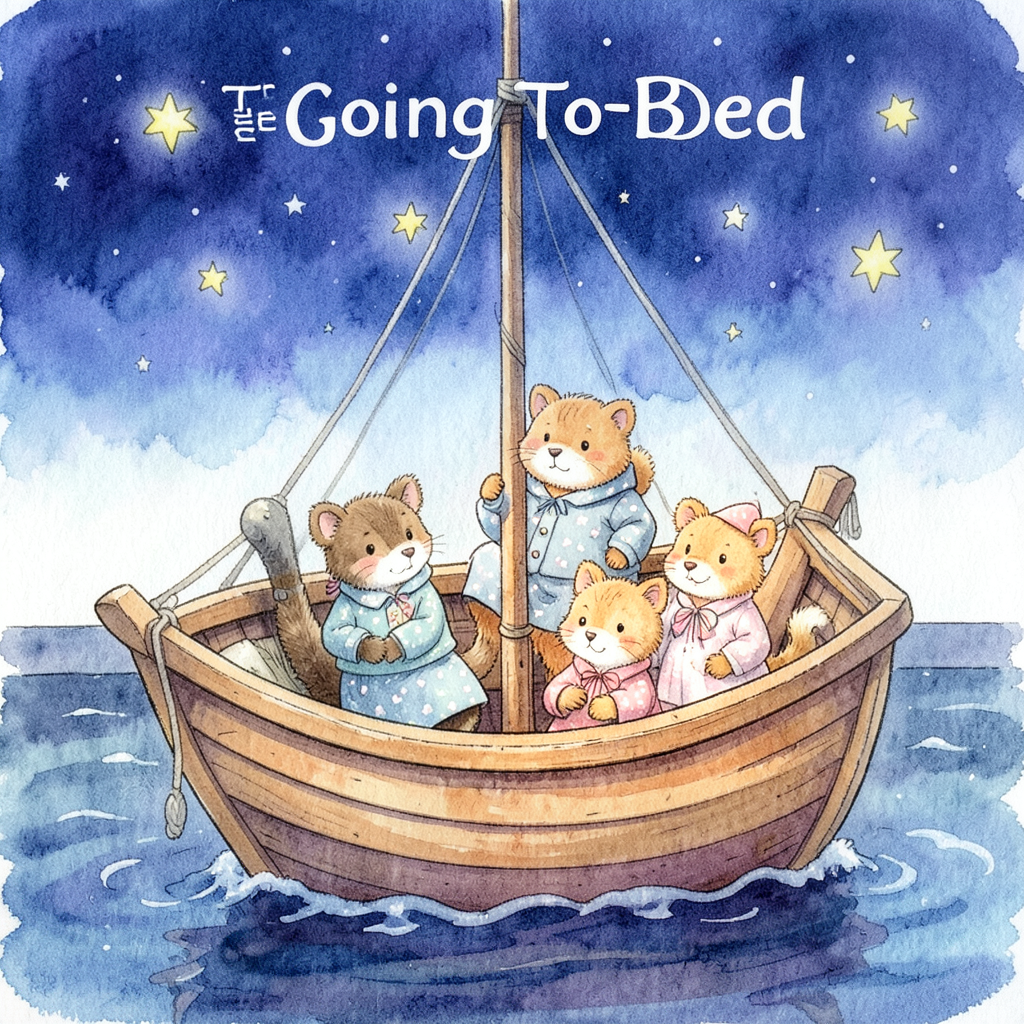
Sandra Boynton's other board books are the most natural next step — 'Barnyard Dance!', 'Doggies', and 'The Going-to-Bed Book' share the same humor, rhythm, and expressive animal illustrations. Beyond Boynton, 'Dear Zoo' by Rod Campbell offers more animal interaction, and 'Brown Bear, Brown Bear, What Do You See?' by Bill Martin Jr. and Eric Carle builds on similar sound-and-repetition structure.