Bridge to Terabithia
About This Book
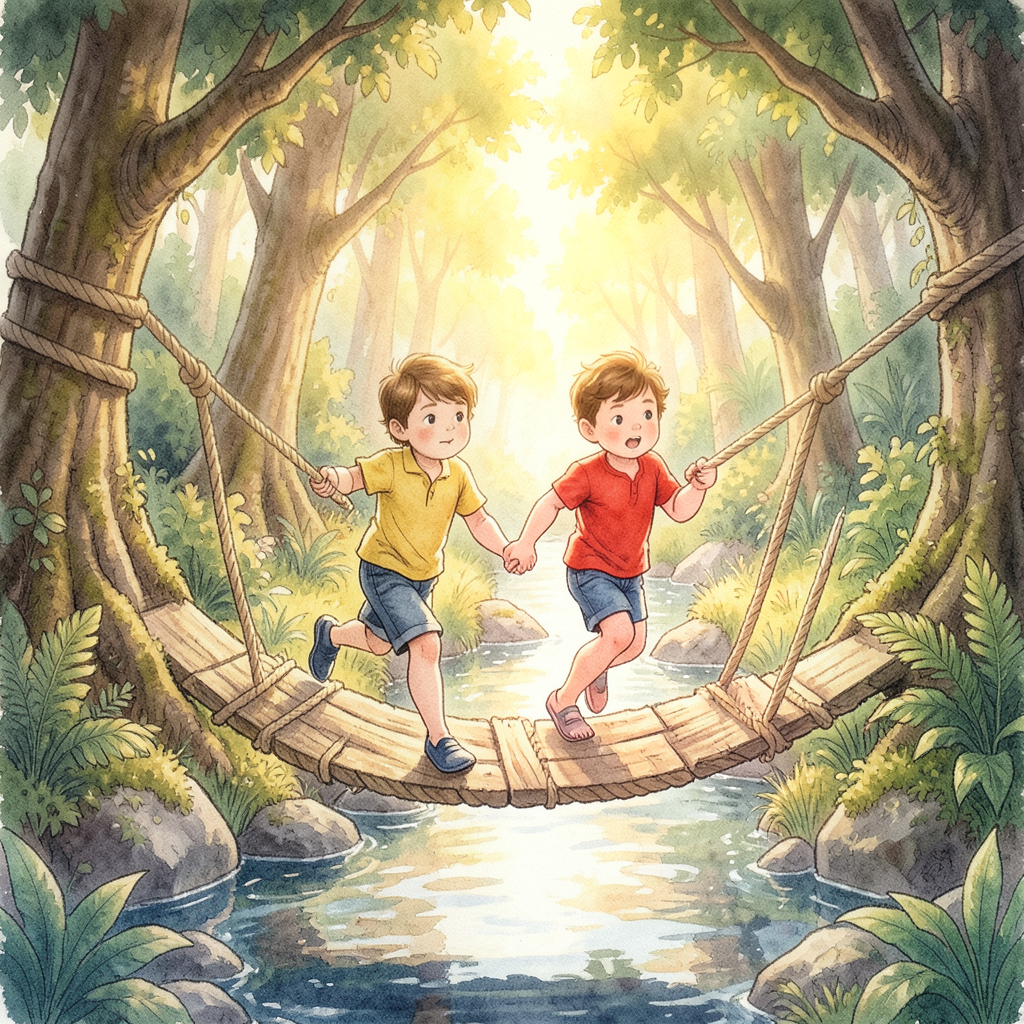
Jess Aarons and newcomer Leslie Burke create an imaginary kingdom called Terabithia in the woods, accessed by swinging across a creek on a rope. Their friendship transforms Jess from a shy, frustrated boy into someone braver and more open — until a devastating tragedy tests everything he's learned.
Themes
FriendshipImaginationLoss
Best For
- Children who are strong readers and ready to engage with deeper emotional themes
- Classroom or book club settings where the ending can be discussed with a trusted adult
- Kids who love imaginative play and world-building alongside realistic friendship stories
- Families navigating grief who want a story that validates complicated feelings without false comfort
- Readers who enjoyed The One and Only Ivan or Tuck Everlasting and are ready for something more emotionally challenging
Why Parents Love This Book
Bridge to Terabithia endures because it trusts children with the full weight of real emotion. Katherine Paterson wrote the book after her son's best friend died as a child, and that authenticity shows on every page. The imaginary kingdom of Terabithia is not mere escapism — it is the place where Jess and Leslie build courage, practice creativity, and become more fully themselves. Paterson captures the particular texture of childhood friendship: the wordless understanding, the private jokes, the way one right person can make you braver than you ever thought possible. Jess begins the story feeling invisible and outpaced by his sisters; Leslie sees him clearly and changes that. When tragedy arrives, Paterson does not soften it or explain it away. The grief Jess experiences is honest and messy, and that honesty is exactly what makes this book meaningful. Readers come away having practiced one of life's hardest lessons in the safety of story.
Reading Tips for Parents
Read this one together if your child is on the younger end of the 8-12 range, or if they have not yet encountered significant loss. The ending is genuinely shocking and will likely prompt tears — yours included. Prepare ahead of time by simply telling your child this is a book about both the joy and the pain that come with loving someone. After finishing, give the conversation space to breathe. Ask what Terabithia meant to Jess and why he decides to build the bridge at the end — that question unlocks the book's hopeful core. If your child has recently experienced a loss of their own, this can be a powerful shared read, but gauge their readiness. The story rewards rereading; older readers catch the foreshadowing they missed the first time.
Awards & Recognition
- Newbery Medal, 1978
- Named to the American Library Association's list of Most Frequently Challenged Books (a testament to its cultural impact and continued readership)
Educational Value
This book helps children develop skills across multiple areas:
- Social-emotional learning: Models how friendship can expand a child's sense of self and courage, and gives young readers a safe framework for processing grief and loss.
- Vocabulary: Rich, literary language throughout — words like 'luminous,' 'intimidate,' and 'sacred' appear in natural context, building reading comprehension for advanced middle-grade readers.
- Creative thinking: The sustained world-building of Terabithia models imaginative play and shows how storytelling can be a tool for emotional resilience.
- Empathy: Paterson renders both Jess's working-class family pressures and Leslie's free-spirited upbringing with equal care, inviting readers to inhabit perspectives different from their own.
- Literary analysis: The book's use of foreshadowing and symbolism (the rope swing, the rising creek, the bridge) makes it excellent for classroom discussion of literary craft.
- Character development: Tracking Jess's arc from self-doubt to courage provides a clear example of internal character change driven by relationship rather than plot event.
Discussion Questions
Use these questions to spark conversation before, during, or after reading:
- Why do you think Jess and Leslie decide to keep Terabithia secret? What makes a secret place feel special?
- How does Leslie change Jess over the course of the story? Can you think of a friend who helped you be braver or try something new?
- When something terrible happens, Jess feels angry, numb, and confused all at once. Have you ever felt more than one feeling at the same time? What was that like?
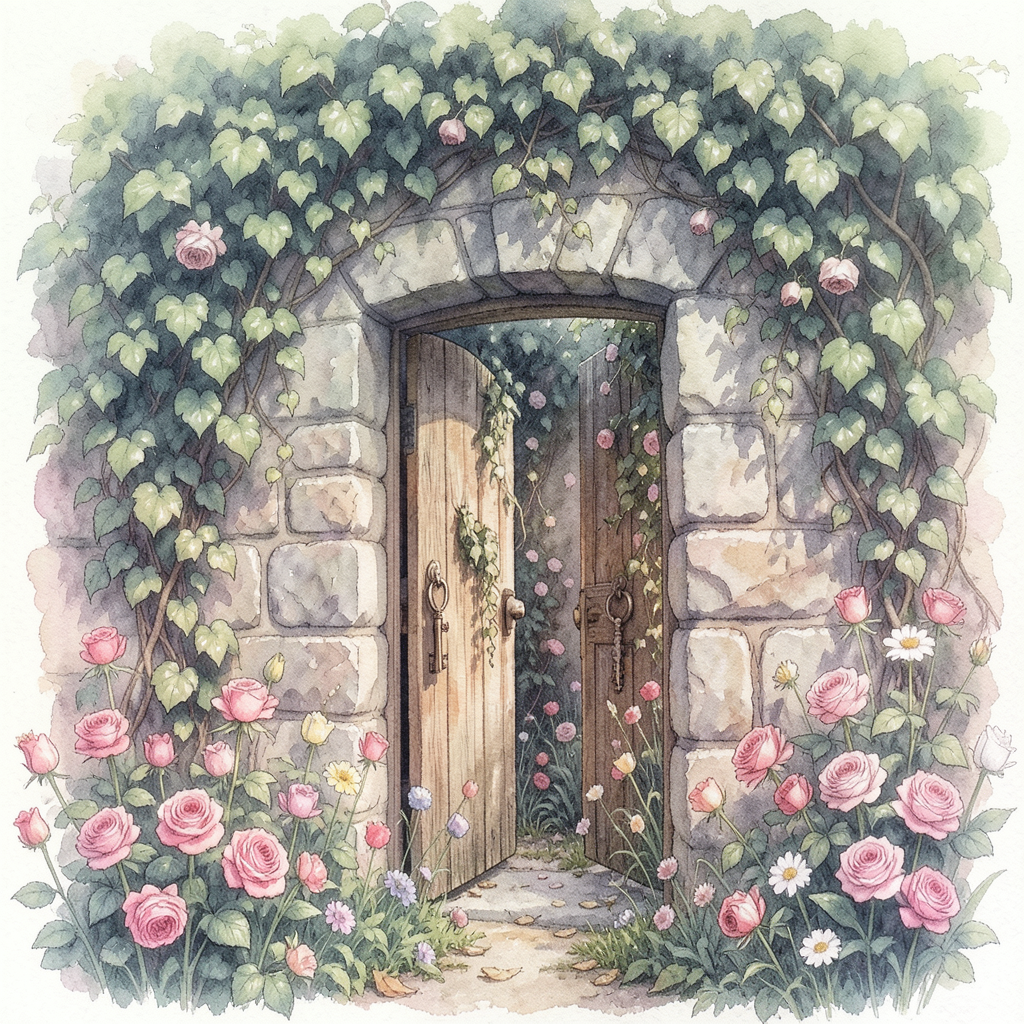
- Why does Jess build the bridge at the end of the book? What do you think it means?
- If you could create your own imaginary kingdom like Terabithia, what would it look like and what rules would it have?
Content Notes for Parents
This book contains the sudden, accidental death of a central child character — a moment that arrives without warning and is depicted with emotional honesty. Parents should be aware that grief, anger, and guilt are explored in depth in the final chapters, making the book most appropriate for readers who are emotionally ready for those themes.
Frequently Asked Questions
What age is Bridge to Terabithia really right for?
The book is typically recommended for ages 8-12, but emotional readiness matters more than age. A sensitive 8-year-old may find the ending overwhelming, while a mature 10-year-old will find it profound. Reading it together and being available to talk afterward makes a big difference at any age in this range.
Does the book explain what happens or give any warning before the tragedy?
No, and that is deliberate on Paterson's part — the shock mirrors how grief actually arrives. There are subtle hints in retrospect (the creek level, the weather), but nothing that prepares a first-time reader. Parents reading aloud should be ready to pause and sit with their child's reaction.
Is this appropriate for a child who has recently lost someone?
It can be deeply meaningful for a grieving child, but timing matters. The book does not offer easy comfort — it shows grief as disorienting and even anger-inducing before showing a path forward. A counselor or school librarian can help you judge whether the timing is right for your specific child.
What books are similar to Bridge to Terabithia for kids who loved it?
Try Tuck Everlasting by Natalie Babbitt for the blend of imagination and mortality, or The One and Only Ivan by Katherine Applegate for deep friendship and emotional resonance. Older readers ready for the next step might try A Monster Calls by Patrick Ness, which also deals honestly with a child processing loss.
My child's teacher assigned this. Is there anything I should do to prepare them?
You do not need to spoil the ending, but letting your child know in advance that the book deals with loss — and that it is okay to feel sad or even cry — removes the sense of ambush. Ask the teacher whether they plan to discuss it in class, as the classroom conversation often helps children process the ending in a healthy way.