The Secret Garden
About This Book
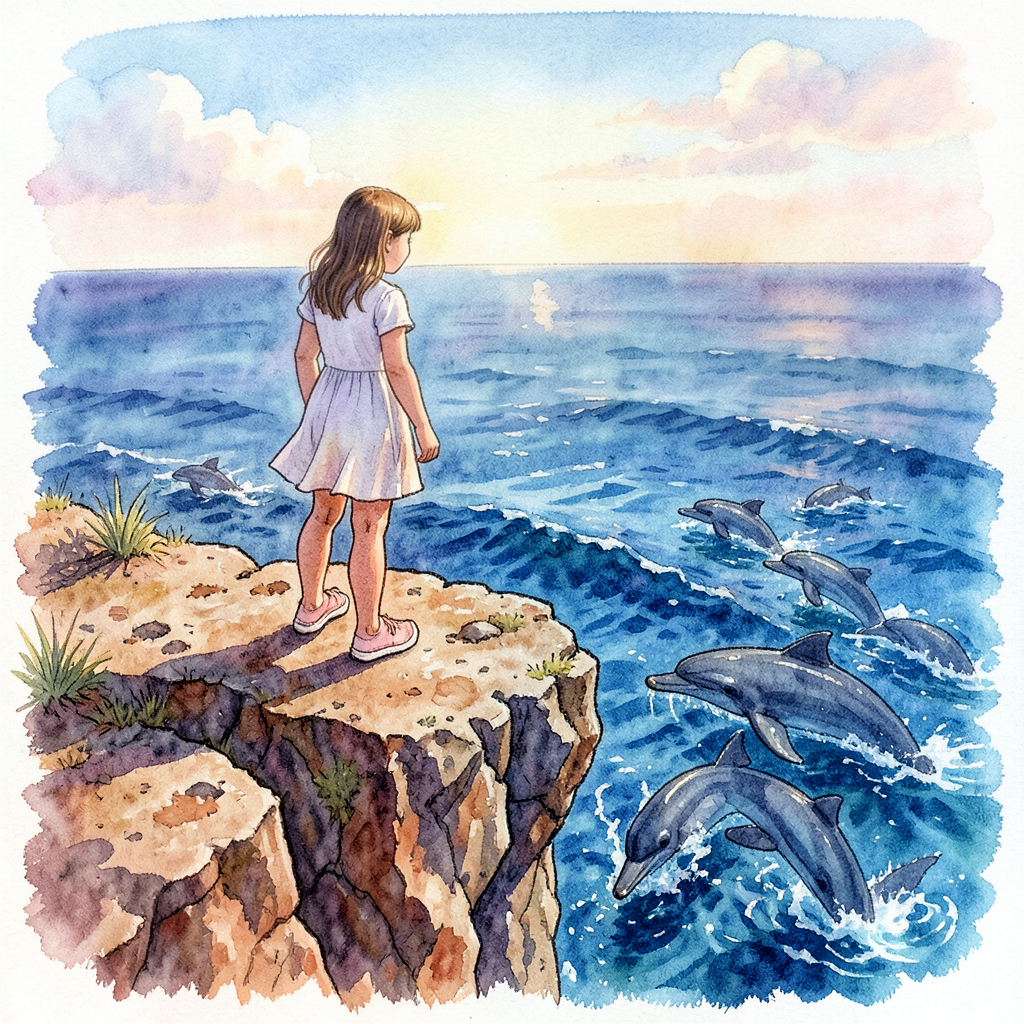
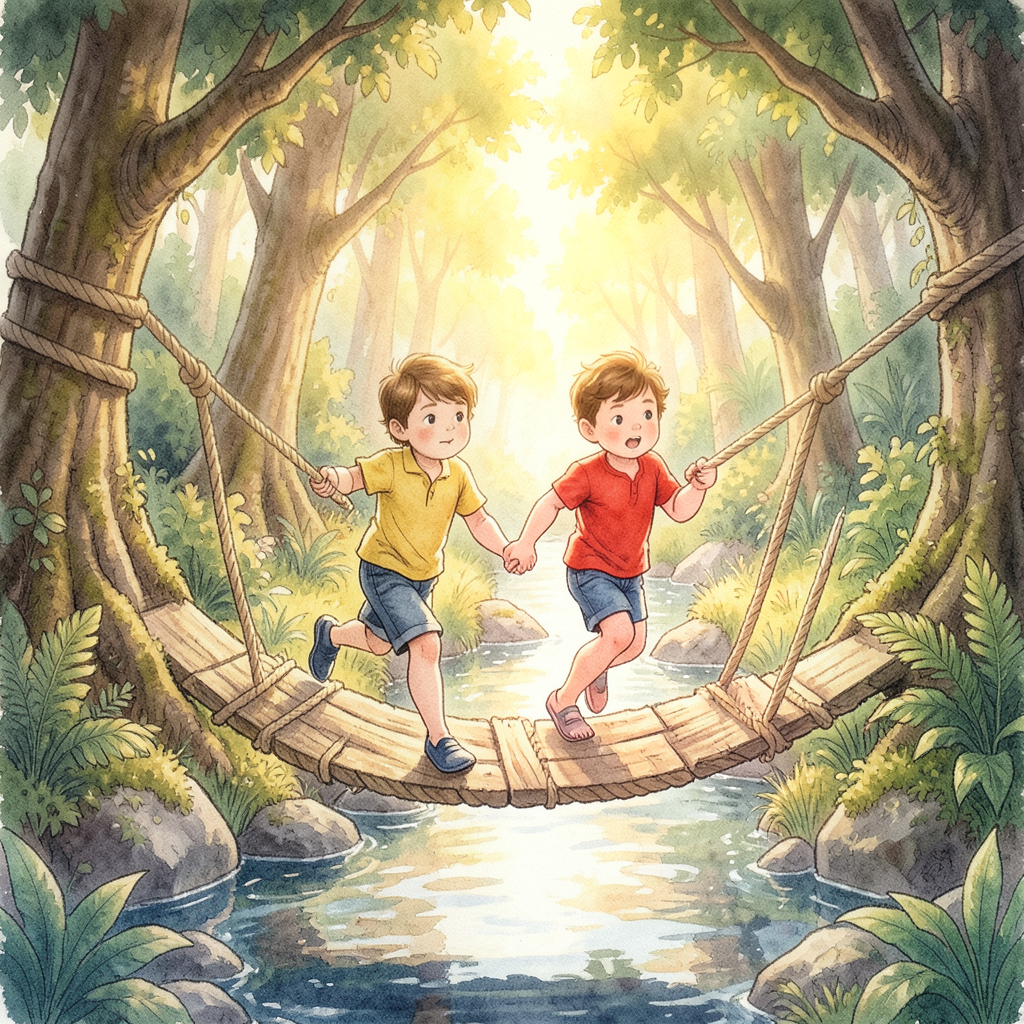
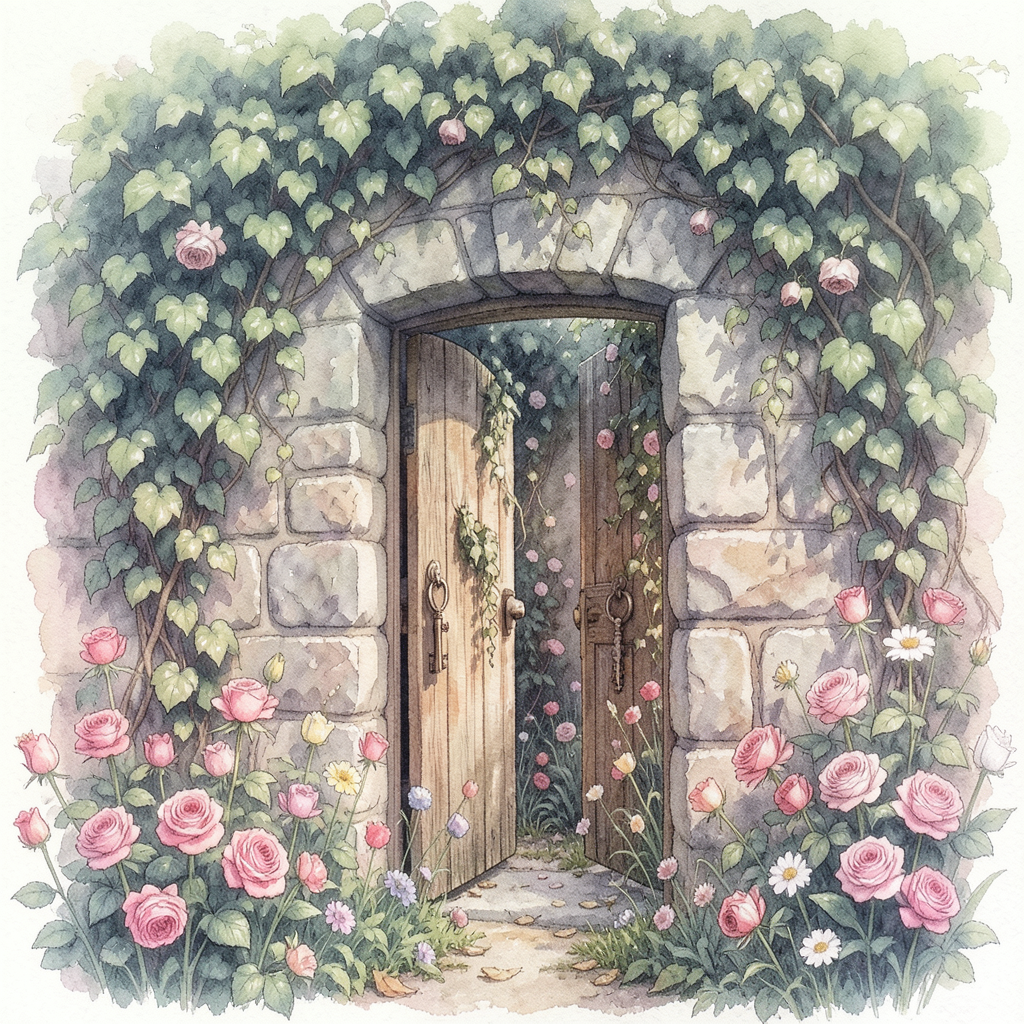
Spoiled, sour Mary Lennox is sent to live at her uncle's gloomy Yorkshire estate after her parents die in India. She discovers a hidden, neglected garden locked behind a wall and, with the help of a local boy named Dickon, brings it back to life — healing herself and her sickly cousin Colin in the process.
Themes
NatureHealingFriendship
Best For
- Children who love nature, gardening, or animals and will connect with Dickon's relationship with the Yorkshire moors.
- Kids navigating loss, a move, or a major life change who may find Mary's journey from isolation to belonging quietly reassuring.
- Strong readers aged 9-12 who are ready for a longer, atmospheric novel with a slower build and rich descriptive language.
- Read-aloud families looking for a chapter book with enough emotional depth to spark meaningful evening conversations.
- Children who have grown tired of fast-paced plot-driven stories and are ready for a book where character transformation is the central event.
Why Parents Love This Book
The Secret Garden endures more than a century after its 1911 publication because it tells a truth children sense but rarely hear spelled out: that tending something outside yourself can mend what is broken inside. Mary Lennox is one of literature's most compelling protagonists precisely because she begins as genuinely unpleasant — a sour, neglected child who has never been taught to care about anyone. Watching her transform through soil, seeds, and the friendship of the warm-hearted Yorkshire boy Dickon feels earned rather than sentimental. The novel's setting on the windswept Yorkshire moors is as atmospheric as any story for this age group, and the walled garden itself becomes a powerful symbol children carry with them long after they close the book. The thread of hope running through the story — that neglected things, people included, can be coaxed back to life — makes this a genuinely moving read for ages 8 through 12 and for the adults reading alongside them.
Reading Tips for Parents
Because The Secret Garden was written in 1911, some language and cultural attitudes (particularly around India, class, and illness) will prompt questions. Treat these as conversation starters rather than obstacles. The vocabulary is rich and occasionally archaic — words like "contrary," "hysterical," and "rajah" appear in meaningful contexts, so keep a notebook nearby and look words up together rather than skipping them. The novel is long for a first chapter-book reader; consider reading aloud in daily installments to maintain momentum and model pacing. If your child is going through a loss or transition, the theme of finding purpose through nurturing something living can resonate deeply and open doors for meaningful conversations about grief and renewal.
Awards & Recognition
- Recognized as one of the most beloved children's novels in the English language, consistently appearing on lists of the greatest children's books of the 20th century.
- Included in numerous "best books for children" lists by the American Library Association and the School Library Journal over many decades.
- The novel has never been out of print since its first book publication in 1911, a testament to its sustained readership across generations.
Educational Value
This book helps children develop skills across multiple areas:
- Vocabulary: The novel introduces a wide range of advanced and archaic English words in rich context, building reading comprehension and encouraging dictionary use.
- Social-emotional learning: Mary and Colin's character arcs illustrate how environment, attention, and friendship shape emotional well-being and resilience.
- Science and nature: Dickon's knowledge of plants, seeds, and local animals offers a springboard for conversations about gardening, ecosystems, and seasonal change.
- History and culture: The Edwardian setting, the colonial backdrop of India, and the rigid English class system invite age-appropriate discussions about how society and attitudes have changed.
- Critical thinking: Colin's belief that he is destined to be ill raises questions about the relationship between mindset and health, encouraging readers to examine how thoughts shape experience.
- Empathy: Following Mary's transformation from an unsympathetic character to a caring friend models the development of perspective-taking and compassion.
Discussion Questions
Use these questions to spark conversation before, during, or after reading:
- Why do you think Mary was so sour and difficult at the beginning of the story? Was it her fault, or were there other reasons?
- The garden had been locked away and forgotten for years. What do you think the garden represents — what does it mean that bringing it back to life also helps Mary and Colin heal?
- Dickon has a special way with animals and growing things. What qualities does he have that make him a good friend to Mary? Do you have a friend like that?
- Colin is convinced he is ill and will never be well. How does spending time in the garden change the way he thinks about himself? Have you ever changed your mind about something you thought you could not do?
- If you could create your own secret garden, what would you put in it and who would you share it with?
Content Notes for Parents
Both of Mary's parents die at the story's opening, and Colin frequently dwells on illness, death, and his belief that he will not live long — sensitive children or those who have recently experienced loss may find these elements heavy. There is no violence or inappropriate content, but the book's emotional weight around grief, neglect, and loneliness is real and worth acknowledging before you begin.
Frequently Asked Questions
What age is The Secret Garden really appropriate for?
Most children read it independently between ages 9 and 12, though confident readers can tackle it at 8 with some support. The vocabulary and sentence structure are genuinely challenging, and the emotional themes — parental death, chronic illness, neglect — carry more weight than many books marketed to this age group. Reading it aloud together is a great option for children on the younger end.
My child is not a strong reader yet. Can we still enjoy this book?
Absolutely — this is one of the best read-aloud novels for the 8-12 age range. Burnett's prose is melodic when read aloud, and the Yorkshire dialect Dickon speaks is fun to attempt together. Reading it aloud also lets you naturally pause to explain vocabulary or discuss a heavy moment without breaking your child's immersion in the story.
Are there any content concerns I should know about?
The book opens with the death of both of Mary's parents and includes Colin's extended preoccupation with his own expected death. There is nothing violent or age-inappropriate in a graphic sense, but the themes of loss, illness, and loneliness are woven throughout. If your child is grieving or anxious about illness, preview the early chapters and decide how to introduce those topics before you begin.
My child loved this book. What should we read next?
A Little Princess by the same author shares Mary's theme of a resilient girl navigating loss in an unfamiliar world. The Wind in the Willows offers a similarly atmospheric, nature-centered reading experience. For older readers ready for more emotional complexity, Anne of Green Gables by L.M. Montgomery is a natural next step, featuring another initially prickly heroine who transforms through friendship and belonging.
Is the 1911 language hard for modern kids to get through?
It can be a hurdle for the first few chapters, but most children adjust quickly once they are invested in Mary's story. The Yorkshire dialect spoken by Dickon and Ben Weatherstaff is the trickiest element — reading those passages aloud makes them much more accessible and often becomes a highlight. A modern unabridged edition is preferable to heavily simplified adaptations, which tend to strip out the atmospheric language that makes the book memorable.