From Head to Toe
About This Book
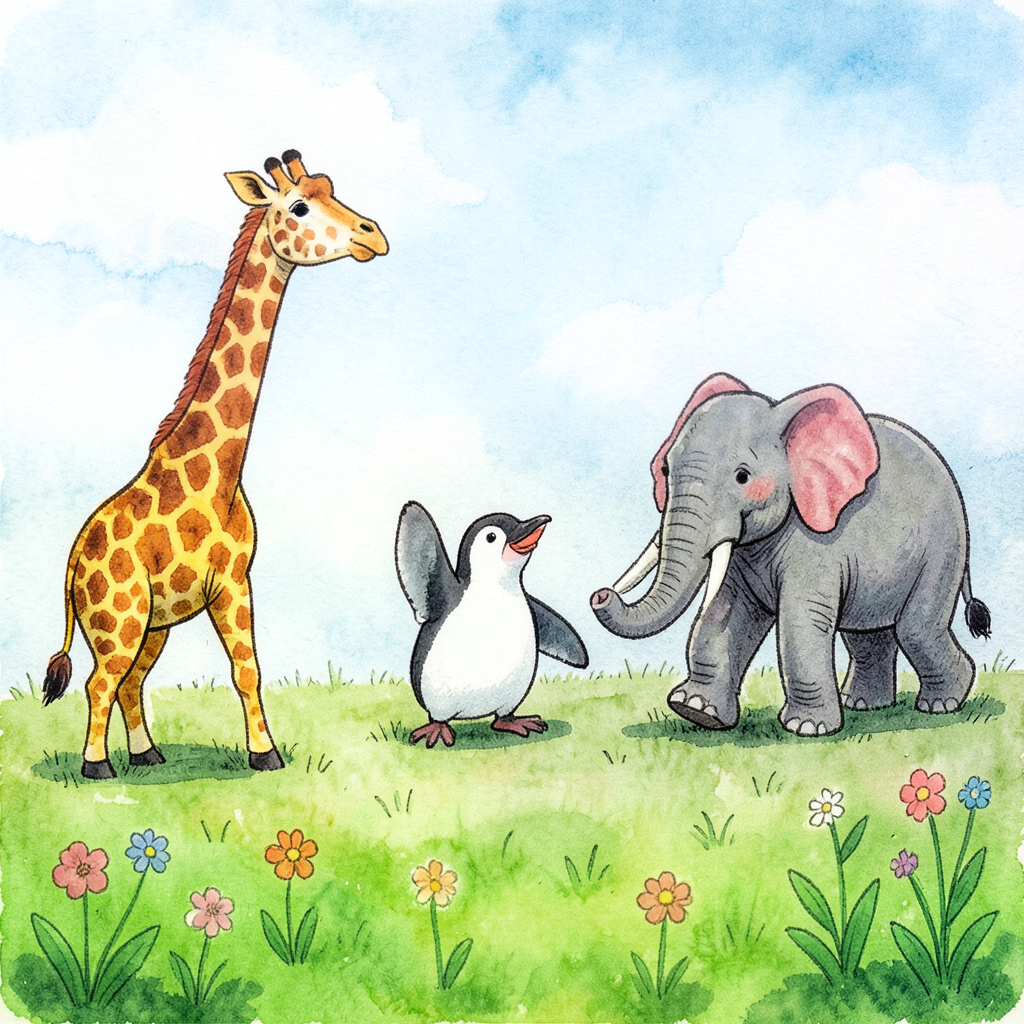
A penguin waddles, a buffalo stamps, a monkey waves its arms — and each animal asks 'Can you do it?' Eric Carle's interactive celebration of movement invites very young readers to stomp, clap, wiggle, and roar their way through the animal kingdom, making reading a full-body event.
Themes
MovementAnimalsExercise
Best For
- Storytime sessions where you want children up and moving rather than sitting still
- Very young babies and toddlers who are developing body awareness and motor skills
- Caregivers looking for a book that doubles as a simple movement activity
- Group settings like library storytimes or playgroups where interactive call-and-response works well
- Travel or waiting situations where a quick, engaging activity is needed without any props
Why Parents Love This Book
From Head to Toe is one of Eric Carle's most brilliantly interactive board books, and for good reason — it turns storytime into playtime without sacrificing a single moment of genuine engagement. Each spread introduces a different animal performing a specific movement: a penguin turns its head, a buffalo stamps its feet, a gorilla thumps its chest. Then comes the irresistible prompt: "Can you do it?" And of course, every child answers with an enthusiastic "I can do it!" The genius of the book is its simplicity. Carle's signature collage artwork gives each animal a bold, vivid presence that even the youngest babies respond to, while the repetitive structure allows toddlers to anticipate and join in before you turn the page. It celebrates physical ability and body awareness in a completely joyful way, with no pressure and no wrong answers. Decades after its 1997 debut, it remains a go-to for parents, pediatricians, and educators precisely because it gets children moving, laughing, and feeling capable all at once.
Reading Tips for Parents
Read this book on the floor with plenty of room to move. The whole point is participation, so pause after each "Can you do it?" and give your child time to actually attempt the movement before turning the page. If your toddler is shy about joining in, model each action yourself — they will almost always follow. For very young babies (0-12 months), narrate what you're doing with their bodies: gently turn their head or clap their hands as you read. With older toddlers, turn it into a game by asking them to name the animal or the body part before you read the text aloud. This book works especially well as a wind-down transition before a bath or a physical burst before quiet time. Keep it in your diaper bag — it doubles as an on-the-go activity that needs no toys or screens.
Awards & Recognition
- New York Times Bestseller
- School Library Journal Best Books selection
Educational Value
This book helps children develop skills across multiple areas:
- Gross motor skills: Each page prompts a specific physical action — stomping, clapping, waving, wriggling — that directly supports large muscle development in toddlers.
- Body awareness: The book systematically names and draws attention to different body parts, helping young children build an early vocabulary for their own bodies.
- Vocabulary: Children encounter animal names (gorilla, donkey, buffalo, penguin) and action words (waddle, thump, stamp, clap) in a memorable, context-rich setting.
- Sequencing and pattern recognition: The consistent question-and-answer structure (animal action, then 'Can you do it?', then 'I can do it!') builds early literacy pattern awareness.
- Social-emotional: Completing each movement and declaring 'I can do it!' builds confidence and a sense of physical competence in very young children.
- Animal knowledge: Each animal is rendered with Carle's distinctive collage style, giving children early exposure to a range of animals from different habitats around the world.
Discussion Questions
Use these questions to spark conversation before, during, or after reading:
- Which animal was your favorite to copy? Can you do that move again?
- The penguin turns its head and the buffalo stamps its feet. Can you point to your head? Can you point to your feet?
- If you could be one of the animals in the book, which one would you choose and why?
- What other animals do you know? What kind of moves do you think they might make?
- At the end of the book, all the animals did something special. What is something special your body can do?
Content Notes for Parents
From Head to Toe contains no scary, sad, or mature content whatsoever. It is one of the gentlest and most cheerful board books available, appropriate from birth onward.
Frequently Asked Questions
What age is From Head to Toe best for?
The board book format makes it durable enough for babies from birth, and the bold artwork captures infant attention early. The interactive movement element becomes most engaging around 12 to 18 months, when toddlers start imitating actions enthusiastically. Most children continue to enjoy it through age three or four, especially in group read-aloud settings.
How do I get my toddler to actually participate instead of just watching?
The best trick is to go first yourself. When you read 'Can you do it?' stomp your own feet or wave your own arms with obvious delight before looking at your child. Toddlers are natural imitators, and seeing a caregiver being silly and physical almost always draws them in. Keep your energy high and praise any attempt, no matter how small.
Is this book appropriate for a classroom or group storytime?
It is one of the best books available for group settings. The call-and-response structure ('Can you do it?' / 'I can do it!') works naturally with a crowd, and having a room full of children stamping and wriggling together makes the experience even more fun. Many librarians and preschool teachers use it specifically because it channels group energy productively.
Are there any content concerns parents should know about?
There are none. The book is entirely gentle, cheerful, and age-appropriate. It is one of the safest choices on the shelf for the youngest readers.
What books are similar to From Head to Toe that we might enjoy next?
If your child loves the movement element, try Eric Carle's other participatory board books, or look at books like Clap Your Hands by Lorinda Bryan Cauley and Shake Your Sillies Out by Raffi. For more animal content in Carle's signature style, The Very Hungry Caterpillar and Brown Bear, Brown Bear, What Do You See? (illustrated by Carle) are natural next steps.