Dear Zoo
About This Book
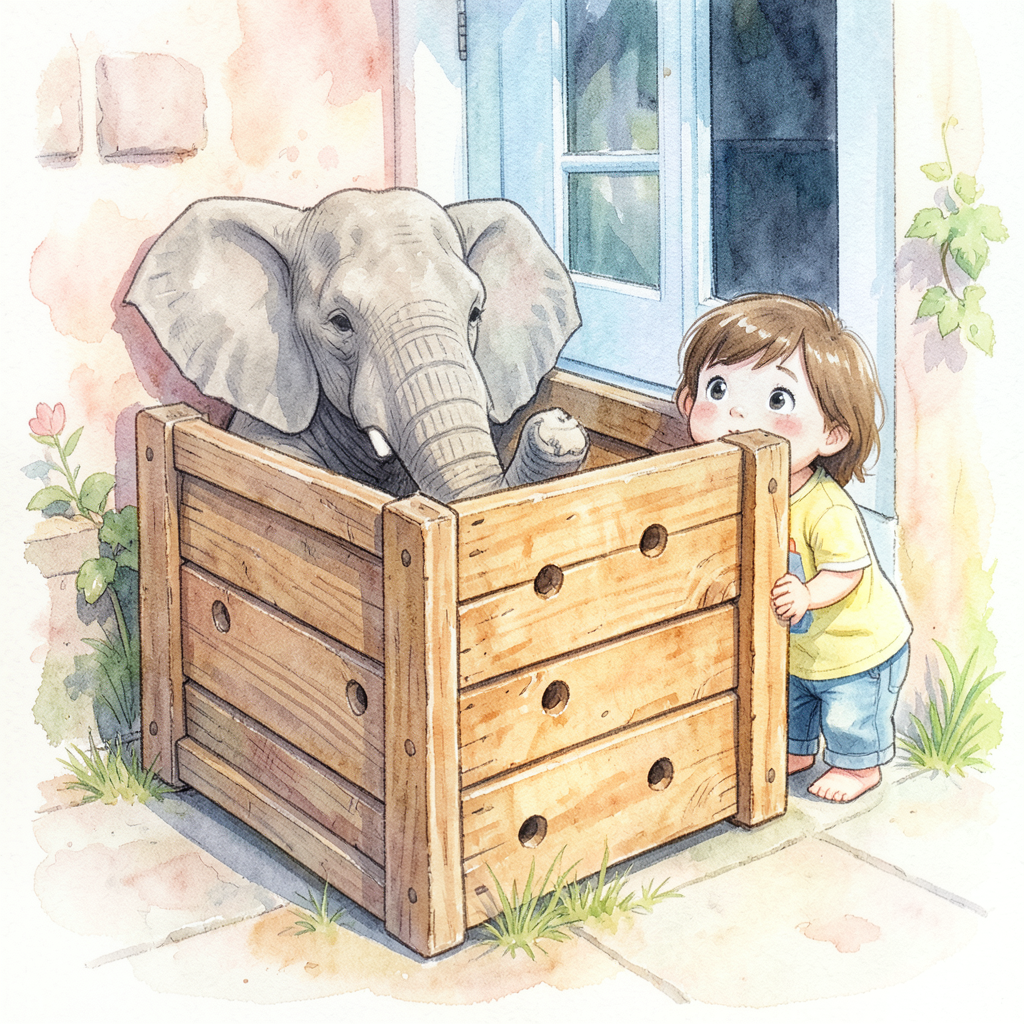
A child writes to the zoo to send a pet. They send an elephant (too big), a giraffe (too tall), a lion (too fierce), and more. Each animal is hidden behind a flap that children love to lift. Finally, the zoo sends the perfect pet — a puppy.
Themes
AnimalsInteractionPlay
Best For
- Babies and toddlers who love hands-on, lift-the-flap interaction
- Early language development and building a first vocabulary of animal names and adjectives
- Bedtime or quiet reading when you want a calm, predictable, cozy routine
- Children who love animals and pretend play
- Gift giving for babies — durable board book format survives the earliest years
Why Parents Love This Book
Dear Zoo has delighted babies and toddlers since 1982 for one very simple reason: it gives young children the irresistible power of discovery. Each page hides an animal behind a lift-the-flap door, crate, or basket, and the anticipation of pulling it open is genuinely thrilling at this age. Rod Campbell's genius is the repetitive, cumulative structure — the zoo keeps trying, the child keeps rejecting, and each reason (too big! too tall! too fierce! too grumpy!) builds vocabulary while making toddlers laugh. By the time the little puppy appears at the end, the payoff feels completely earned. The book is also wonderfully interactive: children learn to predict what comes next, which builds early reading confidence. Decades of wear on family copies around the world speak to how naturally it fits small hands and short attention spans. It is the rare board book that parents genuinely enjoy rereading 50 times without losing their minds — and that is the highest praise in children's publishing.
Reading Tips for Parents
Read slowly and pause before each flap — let your child do the lifting. The anticipation is the whole game at this age. As the animal appears, name it clearly and then echo the reason word: "Too big! Too BIG!" with exaggerated expression. Toddlers love the drama. After a few readings, try asking "What do you think is hiding?" before they open the flap — this simple prediction habit is an early literacy skill. You can also act out the animals together (stomp like an elephant, stretch your neck like a giraffe), which turns the book into a movement activity. For very young babies, the high-contrast illustrations and the physical act of lifting the flaps provide sensory engagement even before language kicks in. Keep this one accessible on a low shelf — children this age love to "read" it independently by working through the flaps themselves.
Awards & Recognition
- Bestseller: Has remained continuously in print since its 1982 publication, selling millions of copies worldwide and becoming one of the UK's best-selling children's books of all time.
- Frequently listed on recommended reading lists for babies and toddlers by early childhood literacy organizations in the UK and internationally.
Educational Value
This book helps children develop skills across multiple areas:
- Vocabulary: Introduces descriptive adjectives — big, tall, fierce, grumpy, naughty, scary — in a memorable, repeated context that helps toddlers absorb and reuse them.
- Sequencing: The cumulative structure of multiple attempts and rejections gives children an early sense of narrative order and cause-and-effect reasoning.
- Animal recognition: Names and depicts a diverse range of animals including elephant, giraffe, lion, camel, snake, monkey, and frog, building foundational animal knowledge.
- Fine motor skills: Lifting the flaps on each page develops pincer grip and hand coordination in babies and young toddlers.
- Social-emotional: The concept of something being 'just right' introduces the idea of preferences, suitability, and patient searching — relatable feelings for young children.
- Early literacy: Repetitive sentence patterns ('So they sent me a...') allow children to begin anticipating and joining in with the text, a key pre-reading skill.
Discussion Questions
Use these questions to spark conversation before, during, or after reading:
- Why did the child send the elephant back to the zoo? Can you show me how big an elephant is?
- Which animal would YOU want the zoo to send you, even if it was too scary or too big?
- Why was the puppy the perfect pet? What makes a pet just right?
- The zoo tried so many animals — can you remember them all? Let's count them!
- If you wrote a letter to the zoo, what would you say?
Content Notes for Parents
No content concerns. All animals are depicted in a cheerful, cartoonish style and the word "fierce" or "scary" is used playfully rather than in a way that disturbs. This book is appropriate for all ages within its 0-3 range.
Frequently Asked Questions
What age is Dear Zoo best for?
The sweet spot is roughly 10 months to 3 years. Babies enjoy the flap-lifting and bright illustrations even before they understand the story, while toddlers aged 1-3 are the prime audience who will follow the narrative, predict outcomes, and want it read again and again. Many 4-year-olds still love it too, especially for the interactive element.
Are the flaps durable enough for babies?
The board book edition has fairly sturdy flaps, but no lift-the-flap book is truly baby-proof. Supervised reading is recommended for children under 18 months who may tear the flaps. Older toddlers handle them well once they learn the gentle technique — part of the value is learning how to turn pages and lift flaps carefully.
My toddler wants me to read this every single night. Is that okay?
Absolutely — rereading favorites is developmentally healthy and actually beneficial. Repetition is how toddlers build language and confidence. Each time through, they absorb more vocabulary, strengthen their memory of the sequence, and get the satisfaction of knowing what comes next. The desire to reread is a sign of genuine engagement, not boredom.
What are some similar books we might enjoy after Dear Zoo?
If your child loves the lift-the-flap format, try Eric Hill's Spot the Dog series. For the same animal theme with cumulative story structure, Brown Bear, Brown Bear, What Do You See? by Bill Martin Jr. is a natural next step. Where's Spot? is also a classic that uses the same hiding-and-finding mechanic that makes Dear Zoo so satisfying.
Is there anything in this book that might upset a sensitive toddler?
No — the book is entirely gentle and reassuring. The lion is described as 'too fierce' and the snake as 'too scary,' but these are brief label words rather than anything depicted in a threatening way. The overall tone is playful and lighthearted throughout, ending happily with the perfect pet.