Genesis Begins Again
About This Book
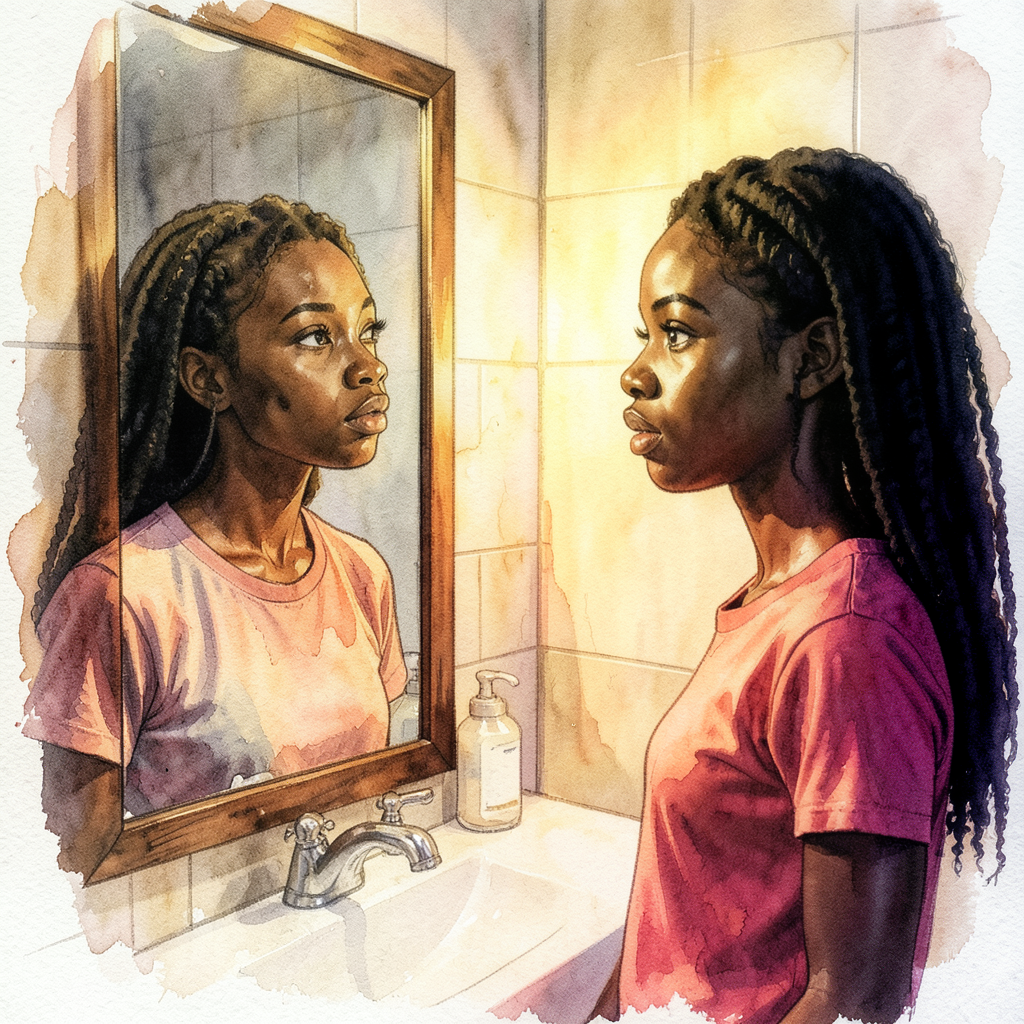
Thirteen-year-old Genesis keeps a list of everything she hates about herself — and number one is the darkness of her skin. Alicia D. Williams' Newbery Honor debut is a raw, compassionate story about colourism within the Black community, an unstable home life, and the long, hard road to self-acceptance. Devastating and ultimately hopeful, it is one of the most important middle-grade novels of recent years.
Themes
RaceSelf-AcceptanceFamily
Best For
- Middle schoolers navigating questions about identity, appearance, and belonging
- Classroom and book club use when studying race, colorism, or social justice themes
- Children who have experienced housing instability or a parent's addiction and need to feel seen
- Readers ready to move beyond comfortable stories and engage with emotional complexity
- Families looking to open a conversation about anti-Blackness and internalized racism in an age-appropriate way
Why Parents Love This Book
Genesis Begins Again is one of those rare middle-grade novels that tackles something most books for young readers avoid entirely: colorism. Thirteen-year-old Genesis carries a running list of everything she hates about herself, and at the top is the darkness of her own skin. Alicia D. Williams does not soften this. She lets Genesis feel the full weight of internalized messages — from peers, from family, from a culture that has long ranked skin tones — and trusts readers to sit with that discomfort. What makes this book extraordinary is not just that it names colorism plainly, but that it does so through a character who is so vividly, tenderly drawn. Genesis is funny, stubborn, perceptive, and fiercely loving even when love has not been reliably returned. Williams pairs the raw emotional honesty with a home life shaped by an alcoholic father and chronic instability, yet the story never collapses into despair. The path to self-acceptance Genesis walks is genuinely hard-won, which is precisely why it lands so powerfully. This is the book many young readers — especially Black girls — have needed for a long time.
Reading Tips for Parents
This book works best when read alongside conversation rather than in isolation. Before starting, you do not need to explain colorism in detail — let Genesis do that work. But be ready when your child comes to you with questions, because they will. Pay attention to the father's alcoholism subplot: it is handled with care but it is present throughout and may surface feelings for children with similar experiences at home. After finishing, ask your child how they felt about the ending rather than whether they liked it — this book is designed to provoke reflection, not just enjoyment. For children who are themselves navigating questions about skin tone, appearance, or belonging, this novel can open doors that are otherwise hard to unlock in everyday conversation. Keep the talk low-stakes and follow their lead.
Awards & Recognition
- Newbery Honor Book (2020)
- Coretta Scott King Author Honor (2020)
Educational Value
This book helps children develop skills across multiple areas:
- Social-emotional learning: Builds vocabulary and frameworks for discussing self-worth, internalized racism, and the difference between how others see us and how we see ourselves.
- Critical race literacy: Introduces colorism as a distinct concept within the Black community, giving young readers language for something that is rarely named explicitly in school curricula.
- Vocabulary: Rich, character-driven prose expands emotional and descriptive vocabulary; words like colorism, instability, resilience, and self-acceptance appear in meaningful context.
- Family systems awareness: Portrays the ripple effects of parental alcoholism on children with honesty and empathy, supporting readers who may recognize their own family dynamics.
- Literary analysis: First-person narration with an unreliable self-perception invites discussion of narrator bias, character development, and how authors use internal monologue to reveal theme.
- Empathy building: Readers who do not share Genesis's background gain a specific, grounded window into experiences of anti-Blackness and chronic housing instability.
Discussion Questions
Use these questions to spark conversation before, during, or after reading:
- Why does Genesis keep a list of things she hates about herself? What do you think that list says about how she sees the world — and how others have made her feel?
- Colorism means treating people differently based on how light or dark their skin is, even within the same racial group. Had you heard of colorism before reading this book? Did Genesis's experiences help you understand it?
- Genesis's home life is unpredictable and sometimes scary. How does that instability affect the way she sees herself and her future?
- By the end of the book, Genesis has not solved all her problems. Do you think that makes the ending feel real or unsatisfying — and why?
- If you could say one thing directly to Genesis at the beginning of the story, what would it be? Would your message change by the end?
Content Notes for Parents
The novel depicts parental alcoholism, housing instability, and bullying related to skin color, and includes emotionally intense scenes that may be difficult for sensitive readers or those with similar home experiences. There is no graphic violence or sexual content, but the emotional weight is substantial and is best suited to readers aged 10 and up even within the 8-12 range.
Frequently Asked Questions
What age is this book really appropriate for?
The publisher targets ages 8-12, but the emotional content — particularly the alcoholic father, chronic housing instability, and internalized self-hatred — makes it a stronger fit for ages 10 and up. Mature 8 or 9-year-olds can handle it, especially with an adult to talk to, but younger readers in that range may find the sustained darkness overwhelming.
What is colorism, and do I need to explain it to my child before they read?
Colorism is the practice of favoring lighter skin tones over darker ones, including within racial groups. You do not need to pre-explain it — Alicia D. Williams builds the concept naturally through Genesis's experiences. However, having a follow-up conversation after a few chapters about what your child is noticing will deepen their understanding significantly.
My child is sensitive. Is this book too heavy?
It is an emotionally demanding read. Genesis's pain is real and Williams does not flinch from it. If your child struggles with stories involving family dysfunction, bullying, or low self-esteem in protagonists, consider reading alongside them or waiting until they are a little older. That said, the book is ultimately hopeful and the ending provides meaningful resolution.
Are there books similar to this one we could read next?
For readers who connected with Genesis's story, Ibi Zoboi's American Street explores Black girlhood, family, and belonging with similar emotional depth. Front Desk by Kelly Yang addresses identity and family hardship from a different cultural lens. For a more direct follow-up on colorism and self-image, pair it with nonfiction like Cinderella Is Dead or a discussion guide on race and identity.
Is this book suitable for a classroom or book club setting?
Yes — it was widely adopted in middle school classrooms after winning its Newbery Honor and the publisher provides educator guides. It generates rich discussion precisely because it names things many curricula avoid. Teachers should be prepared to facilitate conversations about race and family hardship, and should give students space to opt out of sharing personal connections if the themes are close to home.