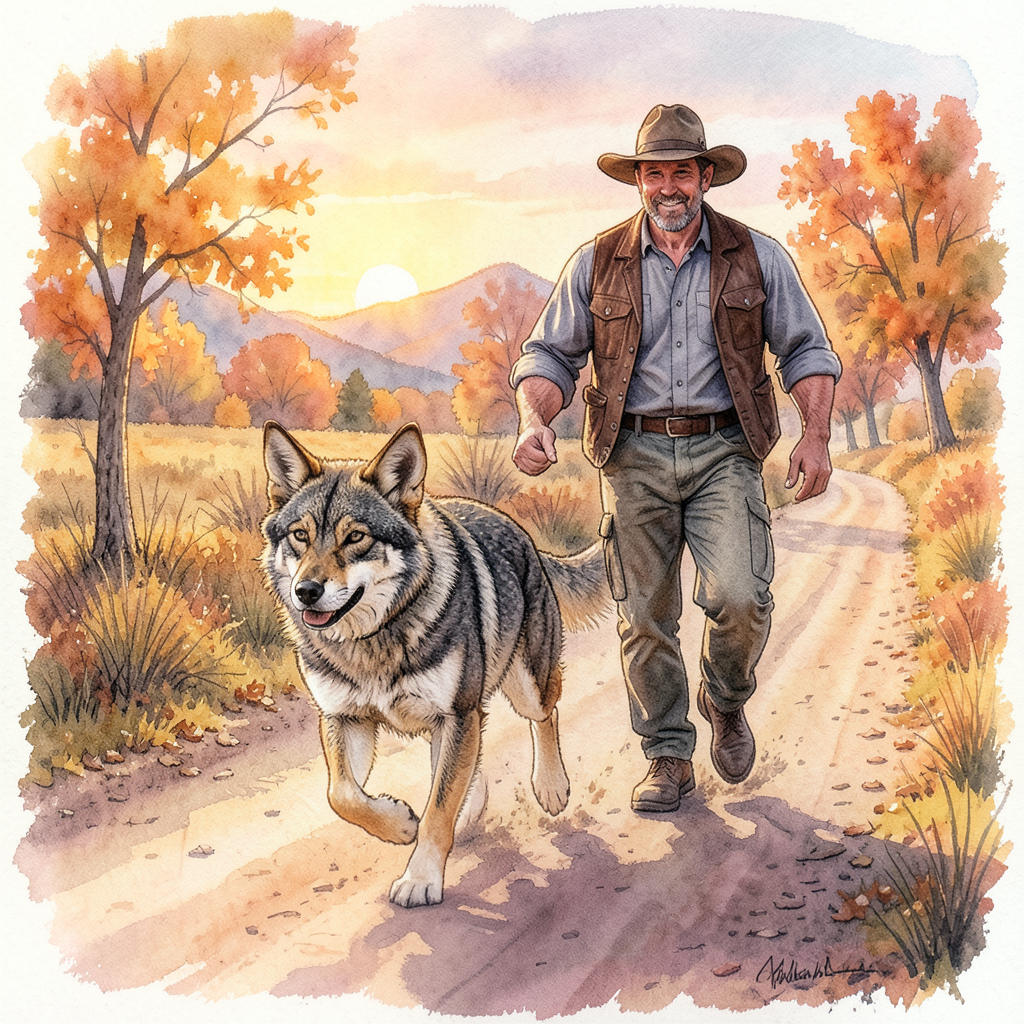
Sounder
About This Book
When a poor Black sharecropper is arrested for stealing food to feed his family, his boy is left to wait and search and hope — sustained by the loyalty of his great coon dog, Sounder. William H. Armstrong's Newbery Medal novel is sparse and elemental, a story of poverty, injustice, and the fierce love of a child waiting for his father to come home.
Themes
PovertyRaceFamily
Best For
- Children aged 10 and up who are ready to engage with historical injustice and moral complexity
- Family read-alouds where a parent can pause to discuss the historical context and emotional beats
- School units on American history, the civil rights era, or literature about race in America
- Readers who respond to quiet, spare writing rather than plot-driven action
- Children who have experienced loss or waiting and may find the boy's perseverance deeply resonant
Why Parents Love This Book
Sounder endures because it does what only the most honest literature can: it refuses to look away. William H. Armstrong's spare, Biblical prose strips the story to its bones — a boy, a dog, a father taken away, and the long wait that follows. The novel is not sentimental about poverty or racism; it simply shows what injustice costs a family, measured in waiting, in silence, in a dog's mournful howl that echoes across seasons. The bond between the boy and Sounder gives the book its emotional center, but it is the boy's quiet determination — teaching himself to read, walking miles to search the prison camps — that makes it unforgettable. Published in 1969 and awarded the Newbery Medal in 1970, Sounder remains a rare children's novel that trusts young readers to sit with grief, to understand that life can be deeply unfair, and still to find meaning in loyalty and perseverance. It is short, but it lingers.
Reading Tips for Parents
Sounder is brief but emotionally dense, and it works best read in conversation rather than alone. Before starting, give children context: sharecropping, the Jim Crow South, and why a Black family in that era would have had so few legal protections. The boy and his family are never named, which Armstrong uses deliberately — prepare children for that choice and discuss what it means. Scenes of violence (Sounder being shot, the father returned badly injured) are not graphic but are stark; let your child set the pace. After finishing, ask what the ending felt like — victory, loss, or both. A brief look at the historical period, perhaps a picture book on sharecropping or civil rights, pairs well and gives children a fuller frame for the injustice at the story's heart.
Awards & Recognition
- Newbery Medal, 1970
- Lewis Carroll Shelf Award, 1971
Educational Value
This book helps children develop skills across multiple areas:
- Historical thinking: Introduces sharecropping, racial injustice, and the legal system in the post-Civil War American South in a humanizing, story-first way.
- Vocabulary: Armstrong's prose is spare but precise; words like 'sharecropper,' 'warden,' and 'dignity' appear in context that makes their weight clear.
- Social-emotional learning: The novel models how to hold grief without being destroyed by it — a rare and important emotional skill for children to see modeled.
- Literary analysis: The use of nameless characters, the symbolic role of Sounder, and the Biblical cadence of the prose offer rich material for close reading.
- Empathy and perspective-taking: Children who have never experienced systemic poverty or racism are asked to inhabit that experience fully and without distance.
- Resilience and agency: The boy's self-directed learning and refusal to stop searching demonstrate that perseverance is possible even in circumstances entirely outside one's control.
Discussion Questions
Use these questions to spark conversation before, during, or after reading:
- Why do you think Armstrong never gives the boy or his family names? How did that make you feel as a reader?
- Sounder howls when the father is taken away and then goes silent for a long time. What do you think the dog's actions show about how animals experience loss?
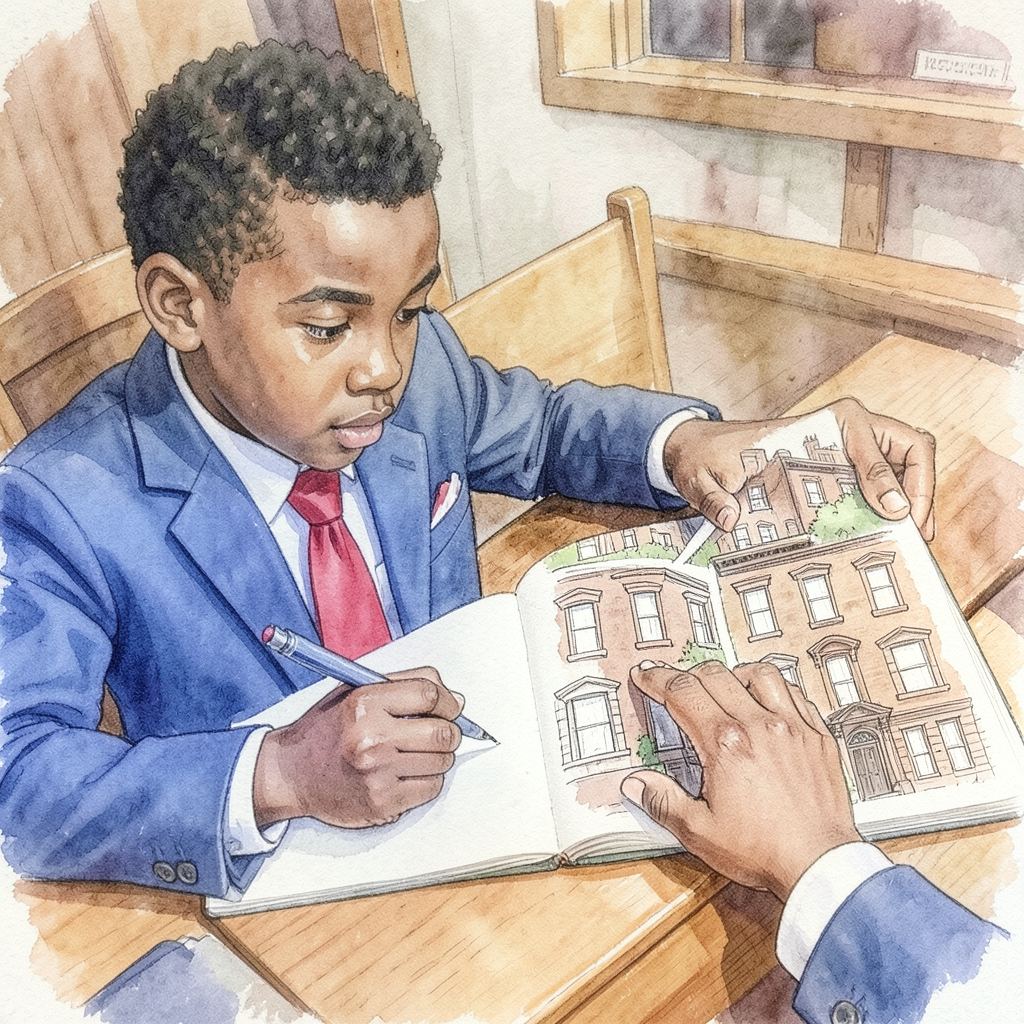
- The boy teaches himself to read with a scrap of a book he finds. Why is learning to read so important to him, and what does it give him that nothing else can?
- The father is arrested for stealing food. Do you think what he did was wrong? Does the punishment fit what he did? Is there a difference between something being illegal and something being unjust?
- At the end of the story, what does the boy carry with him from his father and from Sounder? What do you think his life will look like?
Content Notes for Parents
Sounder contains scenes of racially motivated injustice, a dog being shot (he survives but is severely injured), and a father returned from prison badly broken in body. There is no graphic violence, but the emotional weight is real and sustained — this is a sad book that does not offer easy comfort, and sensitive readers should be prepared for that.
Frequently Asked Questions
What age is Sounder actually right for?
The reading level is accessible to most proficient readers aged 10 and up, but the emotional content — sustained grief, racial injustice, a wounded dog — makes it better suited to children around 10-13 who have some maturity for sad material. Younger advanced readers can handle the words but may need more parental guidance to process the themes.
Is the violence toward the dog very upsetting?
Sounder is shot during the father's arrest and returns later, severely injured and mute. Armstrong describes this with restraint — there is no gore — but it is genuinely sad and the dog's suffering is not minimized. Children who are particularly sensitive about animals may find this difficult; it is worth flagging before they start.
Why does the author never name the boy or his family?
Armstrong made a deliberate artistic choice to leave the family nameless, drawing on the oral tradition of a story passed down without proper names. It universalizes them but also, critics have noted, reflects the historical erasure of Black families in the sharecropping South. This is worth discussing openly with children, as the choice is meaningful and sometimes troubling.
Is this a good book for a school report on slavery or civil rights?
Sounder is set in the post-Civil War sharecropping era rather than during slavery itself, so it fits best in units on Reconstruction, Jim Crow, or the long arc of racial injustice in America. It pairs well with nonfiction on sharecropping or biographies of civil rights figures to give children a broader factual frame alongside the emotional story.
What books are similar to Sounder for kids who loved it?
Children who connect with Sounder often respond well to Roll of Thunder, Hear My Cry by Mildred D. Taylor (a fuller, more plot-rich story of a Black family in the Depression-era South), Bud, Not Buddy by Christopher Paul Curtis, or The One and Only Ivan for readers who want another story centered on an animal's perspective and quiet endurance.