Harold and the Purple Crayon
About This Book
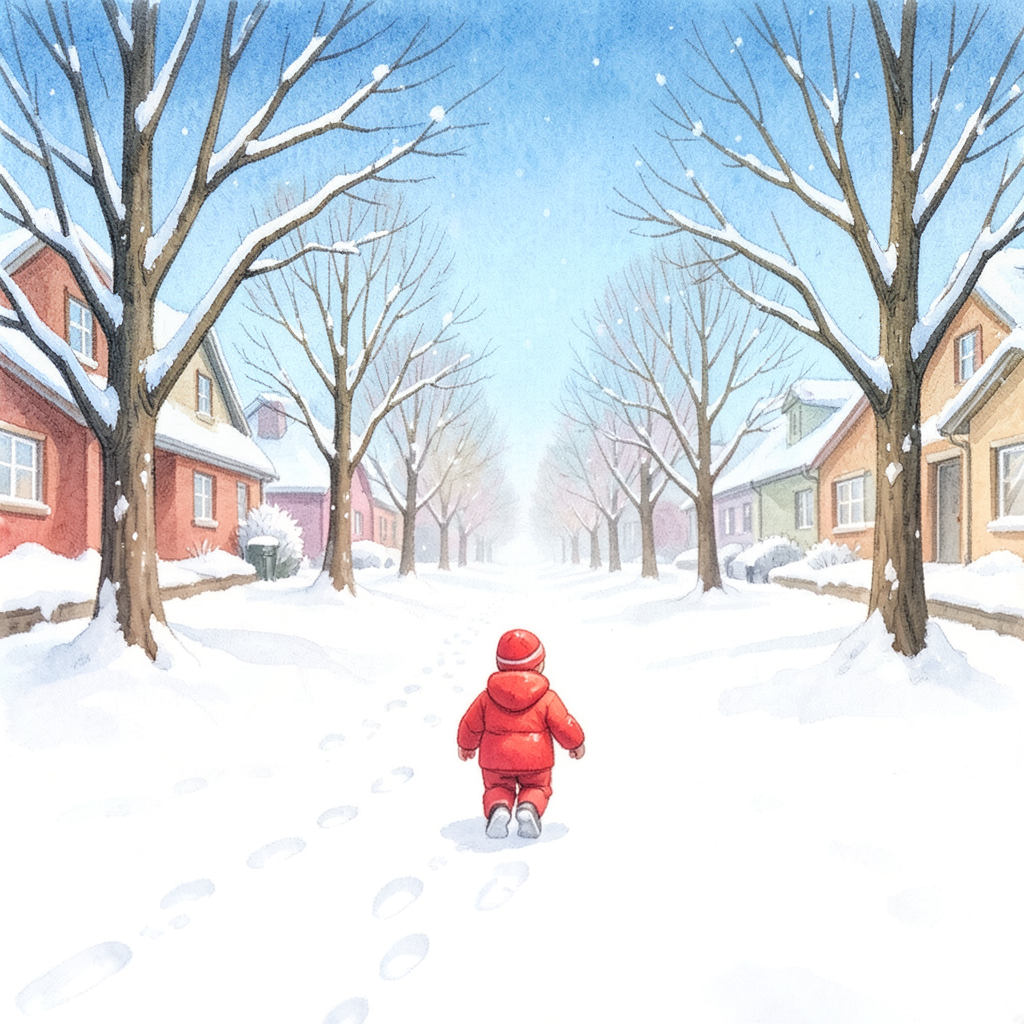
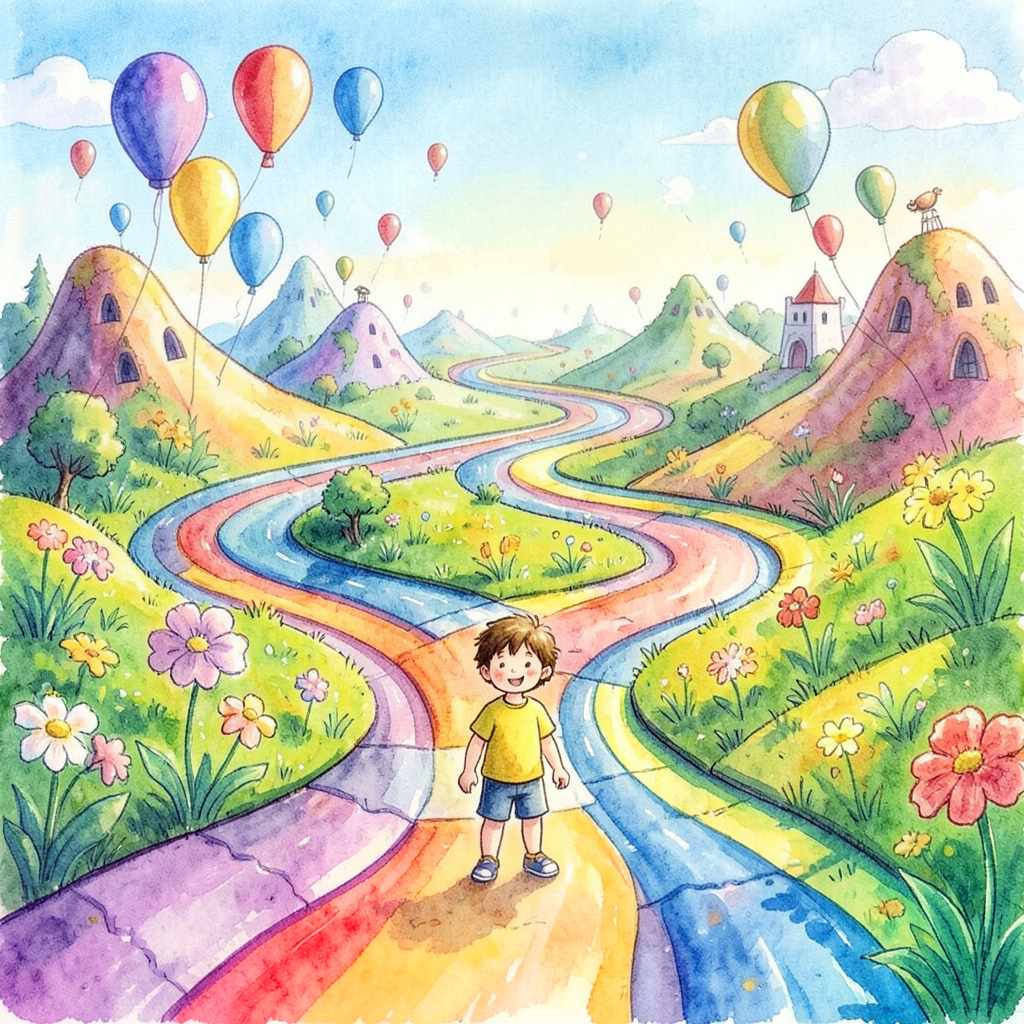
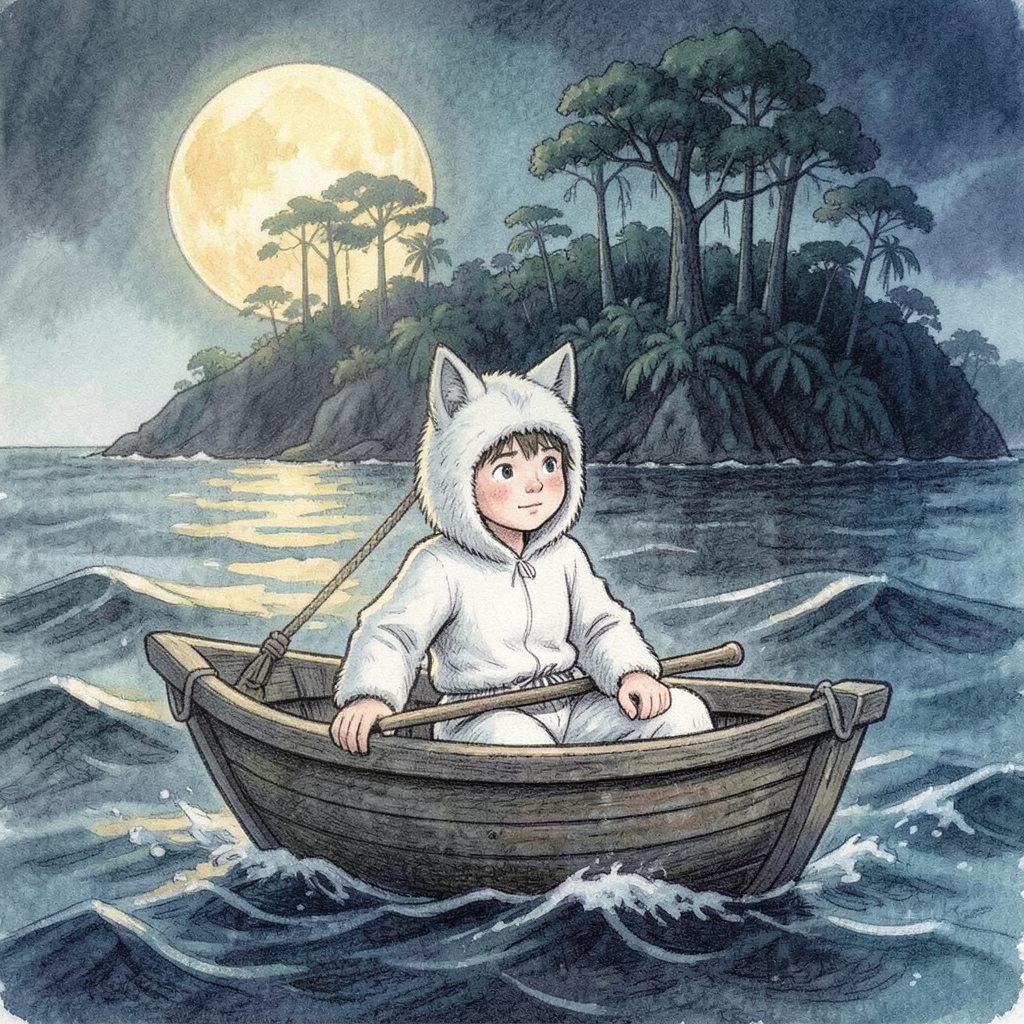
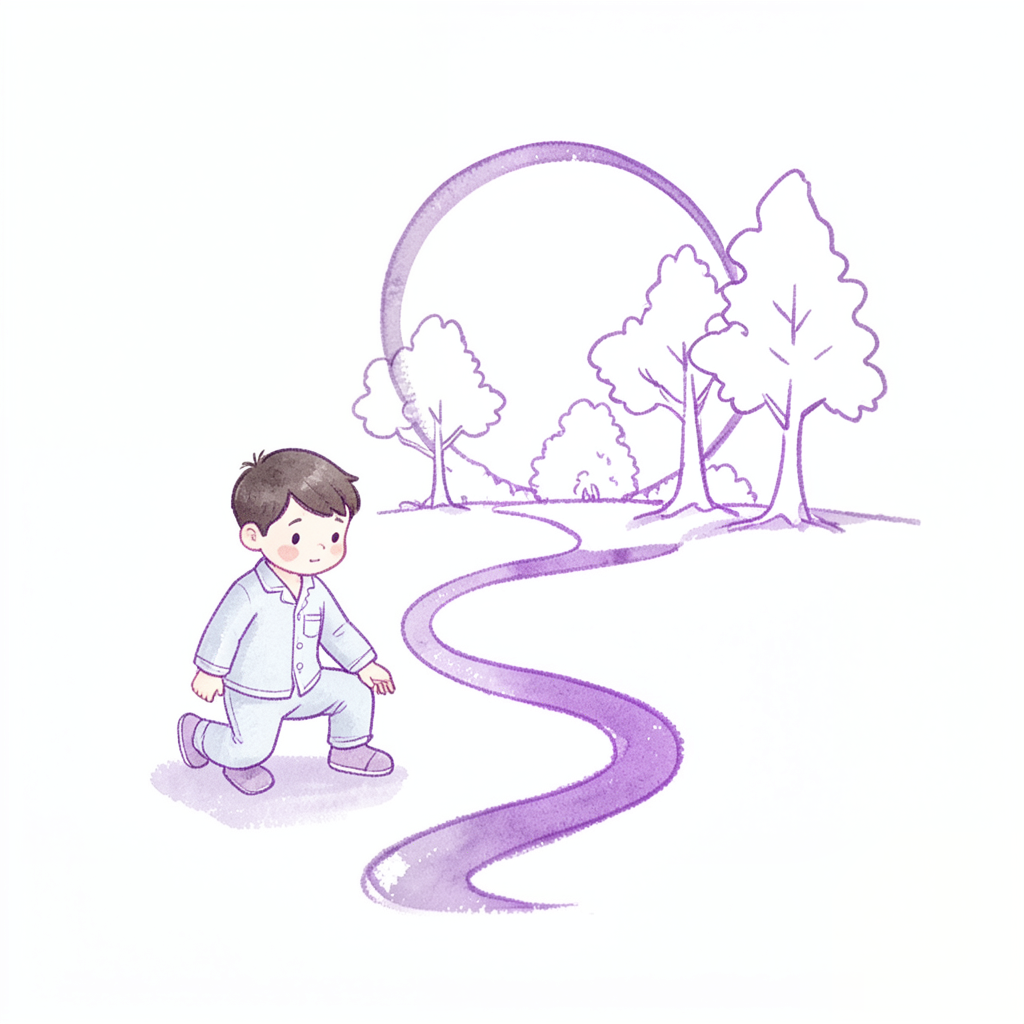
Young Harold goes for a walk one evening armed only with a purple crayon, drawing his own landscape as he goes — a path, a forest, a mountain, a balloon ride, and ultimately his own bed when he gets sleepy. Whatever he imagines and draws becomes his reality.
Themes
ImaginationCreativityAdventure
Best For
- Bedtime reading, especially for children who resist settling down — the moonlit adventure that ends in a cozy bed makes sleep feel like a reward
- Sparking art projects: read it right before giving children paper and crayons for maximum creative momentum
- Children who are anxious or feel powerless, because Harold's story is fundamentally about a small person who solves every problem through his own imagination
- Beginning readers ready for their first solo chapter-style picture book, thanks to the simple vocabulary and short sentences
- Grandparents reading with grandchildren — the 1955 publication date means many grandparents encountered this book in their own childhoods, making it a natural multi-generational bridge
Why Parents Love This Book
Published in 1955, Harold and the Purple Crayon has captivated generations of young readers with one of the most elegant premises in children's literature: a small boy with a big crayon who literally draws the world into existence around him. Crockett Johnson strips the story down to pure imagination — there are no elaborate illustrations, no crowded scenes, just Harold's purple lines on a white page, and that spareness is exactly what makes it so powerful. Harold needs no permission, no help, and no elaborate setup to go on an adventure. When he gets scared, he draws his way out. When he gets lost, he thinks his way home. The book quietly teaches children that their own minds are the most powerful tools they possess. It also has a deeply satisfying circular structure — Harold sets out for a walk in the moonlight and ends up, by his own ingenuity, safely back in bed. For adults re-reading it, that loop feels like a tiny perfect story about self-reliance and the creative mind.
Reading Tips for Parents
This book rewards a slow, interactive reading pace. Pause frequently and ask your child what Harold should draw next — many children will want to grab a crayon of their own mid-story, which is a wonderful instinct to encourage. The white backgrounds of each page spread also make excellent conversation starters: "What do you see?" and "What would you draw?" Keep the reading light and playful rather than didactic. For children who are anxious or who struggle to fall asleep, the bedtime framing (Harold goes out at night and comes home to bed) can make this a particularly comforting bedtime book. After reading, consider a "purple crayon night" where your child draws their own adventure on a large sheet of paper — this extends the book's creative invitation in a hands-on way.
Awards & Recognition
- New York Times Best Illustrated Children's Books (recognized as a classic of American picture book illustration)
- Listed among the New York Public Library's 100 Great Children's Books for its enduring cultural significance
- Inducted into the Children's Literature Hall of Fame legacy canon as one of the most influential American picture books of the 20th century
Educational Value
This book helps children develop skills across multiple areas:
- Creativity and imaginative thinking: Harold models open-ended creative problem-solving — every obstacle he encounters is resolved by imagining and drawing a solution, showing children that creativity is a practical tool.
- Narrative sequencing: The story follows a clear beginning, middle, and end with Harold's journey structured as a problem-to-resolution arc, helping early readers understand story structure.
- Spatial reasoning: Harold draws paths, mountains, oceans, and buildings, giving young children informal exposure to concepts like distance, height, and directionality.
- Social-emotional learning: Harold manages fear and disorientation on his own by staying calm and thinking creatively, modeling self-regulation and confidence in independent problem-solving.
- Early literacy: The spare, repetitive sentence structure is ideal for beginning readers, and the limited vocabulary makes the text accessible for children starting to read independently.
- Visual literacy: The minimalist line-drawing style invites children to interpret images actively rather than passively, building skills in reading illustrations as a narrative layer.
Discussion Questions
Use these questions to spark conversation before, during, or after reading:
- Harold draws everything himself instead of finding it already there. If you had a magic crayon, what is the first thing you would draw?
- When Harold gets lost, how does he figure out how to get home? What does that tell you about Harold?
- Harold feels scared at one point in the story. What does he do instead of giving up?
- Why do you think Crockett Johnson chose the color purple for Harold's crayon? Does the color matter?
- At the end, Harold draws his own bedroom and goes to sleep. Do you think his adventure was a dream, or was it real?
Content Notes for Parents
There are no scary, sad, or mature elements in this book. Harold briefly feels frightened when he realizes he is lost, but he resolves the moment quickly and calmly — this is handled in a developmentally appropriate way that most children ages 4 and up will find reassuring rather than distressing.
Frequently Asked Questions
What age is Harold and the Purple Crayon best for?
The book is most commonly enjoyed by children ages 3 to 7. Toddlers as young as 2.5 can enjoy it as a read-aloud, especially the visual rhythm of the drawings. Children in the 4-6 range tend to engage most deeply with the imaginative premise, while early readers ages 5-7 can begin tackling the text independently due to its simple vocabulary.
Is this book too simple for a 6- or 7-year-old?
Not at all. While the vocabulary is accessible for beginning readers, the conceptual ideas — imagination as a tool, getting lost and finding your way home, drawing your own reality — are rich enough to spark genuine discussion with older children. Many 7-year-olds enjoy reading it themselves for the first time as a confidence-building early reader experience.
Are there any content concerns I should know about before reading this to my child?
There are no violence, scary imagery, or mature themes in this book. Harold briefly feels lost and a little frightened, but he solves the problem calmly on his own. This is one of the gentlest, most reassuring adventure stories in children's literature.
Are there other books like Harold and the Purple Crayon?
Yes — Crockett Johnson wrote several follow-up Harold books, including Harold's Fairy Tale and Harold's Trip to the Sky, which feature the same character and format. For a similar celebration of a child's imagination reshaping reality, Not a Box by Antoinette Portis and The Dot by Peter H. Reynolds are excellent companion reads.
Why is this book still so popular after 70 years?
Harold and the Purple Crayon endures because its central idea is timeless and universally resonant: a child's imagination is powerful enough to create an entire world. Unlike many books from the 1950s, it has not dated — the minimal illustrations and sparse text feel modern, and the story's message about creative confidence speaks directly to children regardless of era.