Llama Llama Red Pajama
About This Book
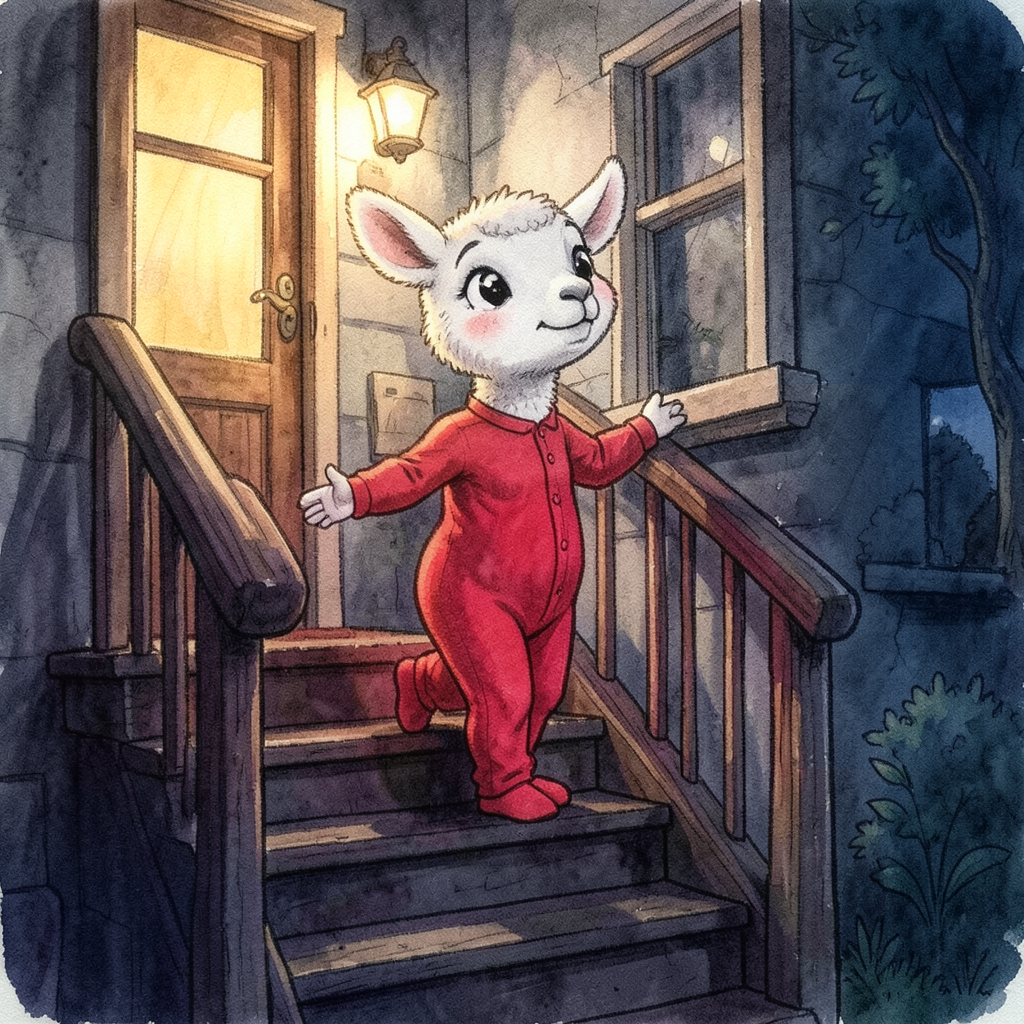
Baby Llama wants his mama at bedtime. After she tucks him in and goes downstairs, he starts to fret, then whimper, then wail. Mama Llama comes running and reminds him she's always near. The rhyming text perfectly captures the universal bedtime drama between parent and child.
Themes
BedtimeLoveComfort
Best For
- Children ages 1-3 who experience bedtime separation anxiety
- Establishing a calming, predictable bedtime read-aloud routine
- Toddlers who love rhyme and will quickly begin reciting along
- Parents looking for a warm, non-preachy way to talk about big feelings at night
- Grandparents or caregivers doing bedtime in a parent's absence
Why Parents Love This Book
Llama Llama Red Pajama has become a genuine bedtime classic because Anna Dewdney captures something so precisely true: the small but overwhelming feeling a toddler has when mama disappears downstairs after tuck-in. Baby Llama does not just feel mild unease — he frets, then whimpers, then works himself into a full wail, and every parent and child will recognize that escalating spiral instantly. Dewdney's bouncy, tight rhyme scheme keeps the text irresistible to read aloud, and the pacing mirrors Baby Llama's rising anxiety perfectly before resolving into warm reassurance. Mama Llama does not scold or dismiss — she simply comes, holds him, and reminds him she is always near even when out of sight. That message lands for children at a developmental stage when object permanence is still fragile. Published in 2005, the book launched one of children's literature's most beloved series, and it remains just as resonant today because the bedtime struggle it depicts is timeless.
Reading Tips for Parents
Read this one with a slightly theatrical voice — lean into the escalation as Baby Llama goes from fretting to wailing, then soften noticeably when Mama Llama appears. Children this age are highly responsive to vocal tone, and the contrast makes the comfort feel real. Because the rhyme is so regular, many toddlers begin to anticipate and finish lines after just a few readings — pause before the last word of a couplet and let your child fill it in. This book is most powerful when read as part of an actual bedtime routine, not as a one-off activity. If your child is experiencing separation anxiety around bedtime, use Mama Llama's words directly in your own goodnight: "Mama Llama's always near, even though she's not right here." Simple, memorizable, and genuinely soothing.
Awards & Recognition
- New York Times Bestseller
- Publishers Weekly Bestseller — named one of the best children's books of the year at publication
Educational Value
This book helps children develop skills across multiple areas:
- Social-emotional: Validates the very common toddler feeling of separation anxiety at bedtime without shaming it, helping children feel seen and understood.
- Language: The tight AABB rhyme scheme builds phonological awareness as children begin to predict and anticipate rhyming word pairs.
- Vocabulary: Introduces expressive words like 'fret' and 'wail' in a context that makes their meaning immediately clear through Baby Llama's actions.
- Self-regulation: Shows the full arc of emotional escalation and calm, giving toddlers a simple model of how big feelings can be named and soothed.
- Attachment and security: Reinforces the concept that a caregiver remains available and loving even when physically out of sight — a foundational idea for healthy attachment.
Discussion Questions
Use these questions to spark conversation before, during, or after reading:
- Why do you think Baby Llama starts to feel scared after Mama tucks him in?
- What does Baby Llama do when he starts to worry? What do you do when you feel like that?
- How does Mama Llama make Baby Llama feel better? Does that remind you of something your grown-up does for you?
- If you were Baby Llama, what would you want to hear from Mama?
- Can you make the sounds Baby Llama makes — first a little worried, then a big wail, then calm again?
Content Notes for Parents
No significant content concerns. Baby Llama's escalating distress might briefly feel intense for very sensitive toddlers, but it resolves quickly and warmly with Mama's reassurance — the emotional arc is designed to comfort rather than frighten.
Frequently Asked Questions
What age is Llama Llama Red Pajama best for?
The book is ideal for children aged 1 to 4. The rhyme and repetition engage babies and young toddlers, while the emotional storyline resonates most strongly with children around ages 2-3 who are actively navigating separation anxiety. Many children continue to enjoy it past age 4 simply because the rhyme is so fun to recite.
Is this book too scary for very young toddlers?
It is not scary in any traditional sense. Baby Llama does become distressed and wails, which might feel momentarily intense, but Mama arrives quickly and the book ends on a warm, calm note. Most toddlers find the emotional honesty reassuring rather than upsetting, since they recognize their own feelings being reflected back at them.
How can I use this book to help with my child's bedtime anxiety?
Read it as part of your actual bedtime routine so the context feels immediate and relevant. After reading, borrow Mama Llama's reassurance directly — 'I'm always near even when I'm not right here' — and repeat it as you leave the room. Over time many children internalize this as a self-soothing phrase. Consistency with both the book and the phrase tends to work best.
Are there other books in the Llama Llama series?
Yes, Anna Dewdney went on to write many Llama Llama books covering topics like holiday giving, friends, the first day of school, and more. The series maintains the same warm rhyming style and the same central characters, making it easy to build on a child's existing love of Baby Llama. Llama Llama Misses Mama is a popular follow-up for children starting daycare or preschool.
My child wants me to read this every single night. Is that okay?
Absolutely — repetition is how young children learn language, build memory, and find comfort. Hearing the same book repeatedly is developmentally beneficial, not a sign of boredom or stagnation. If anything, you can use the repetition productively by pausing to let your child predict the next rhyming word or retell the story in their own words as they grow more familiar with it.