Peek-a-Who?
About This Book
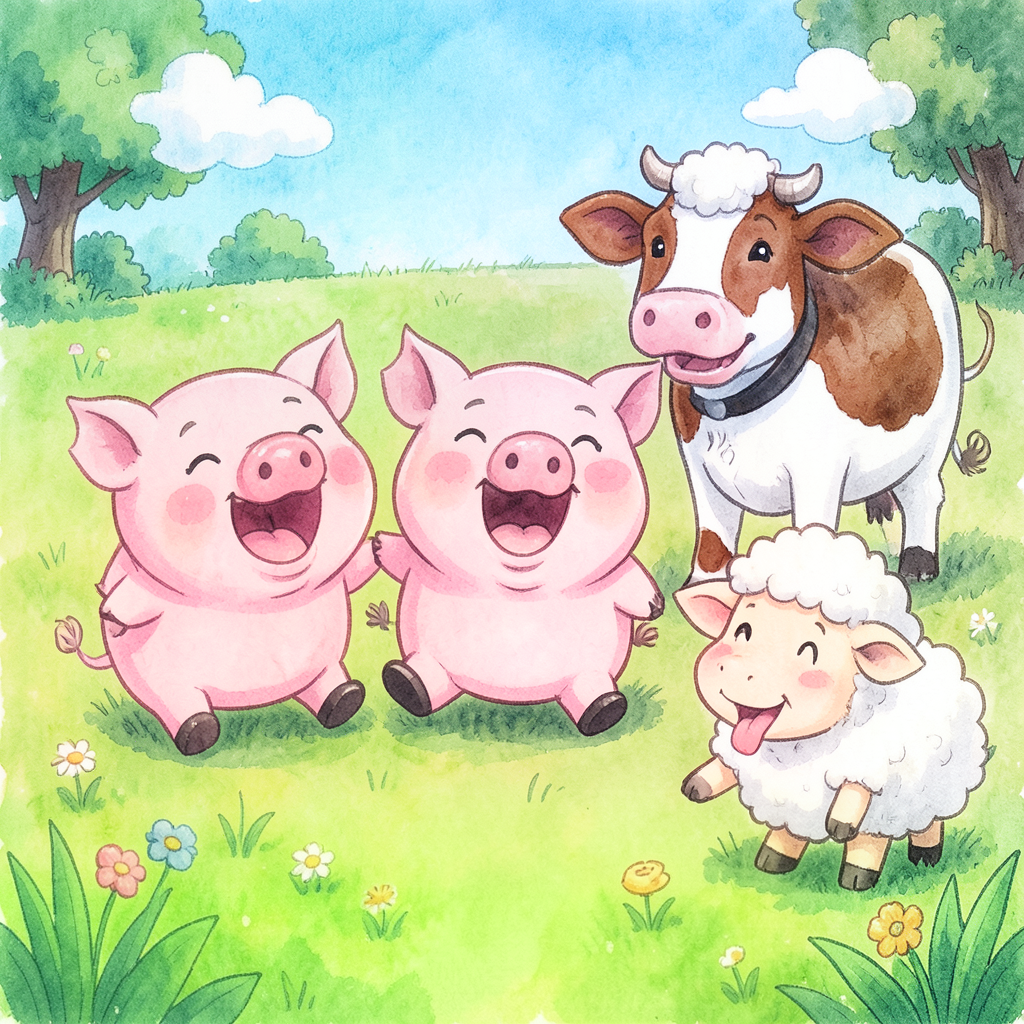
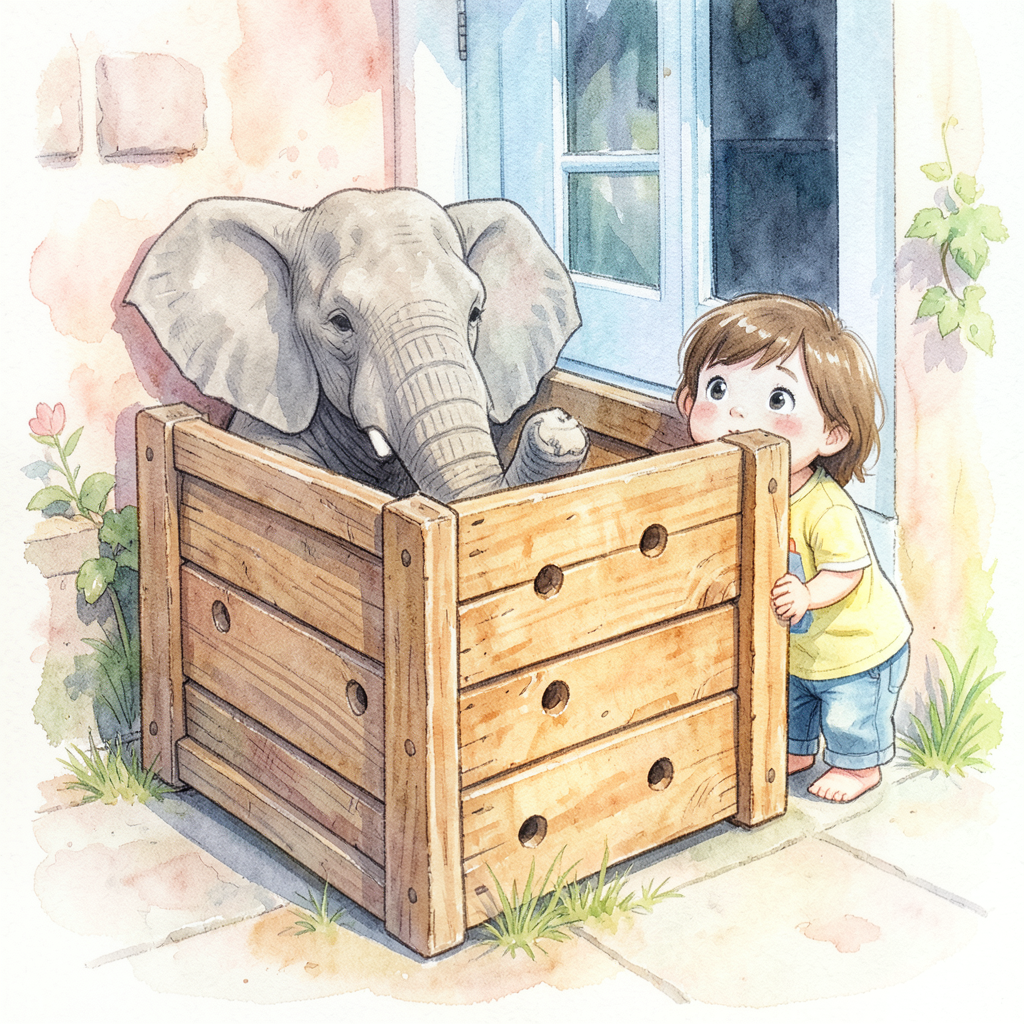
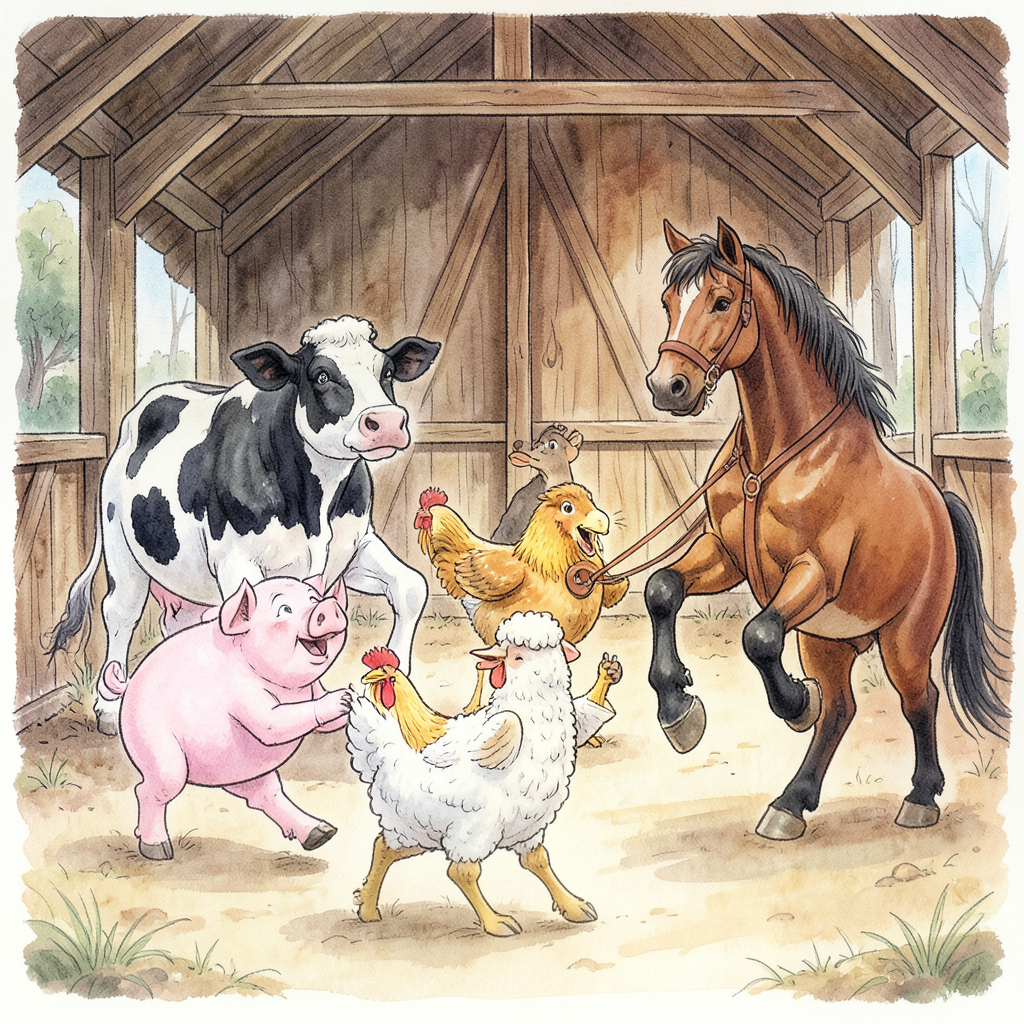
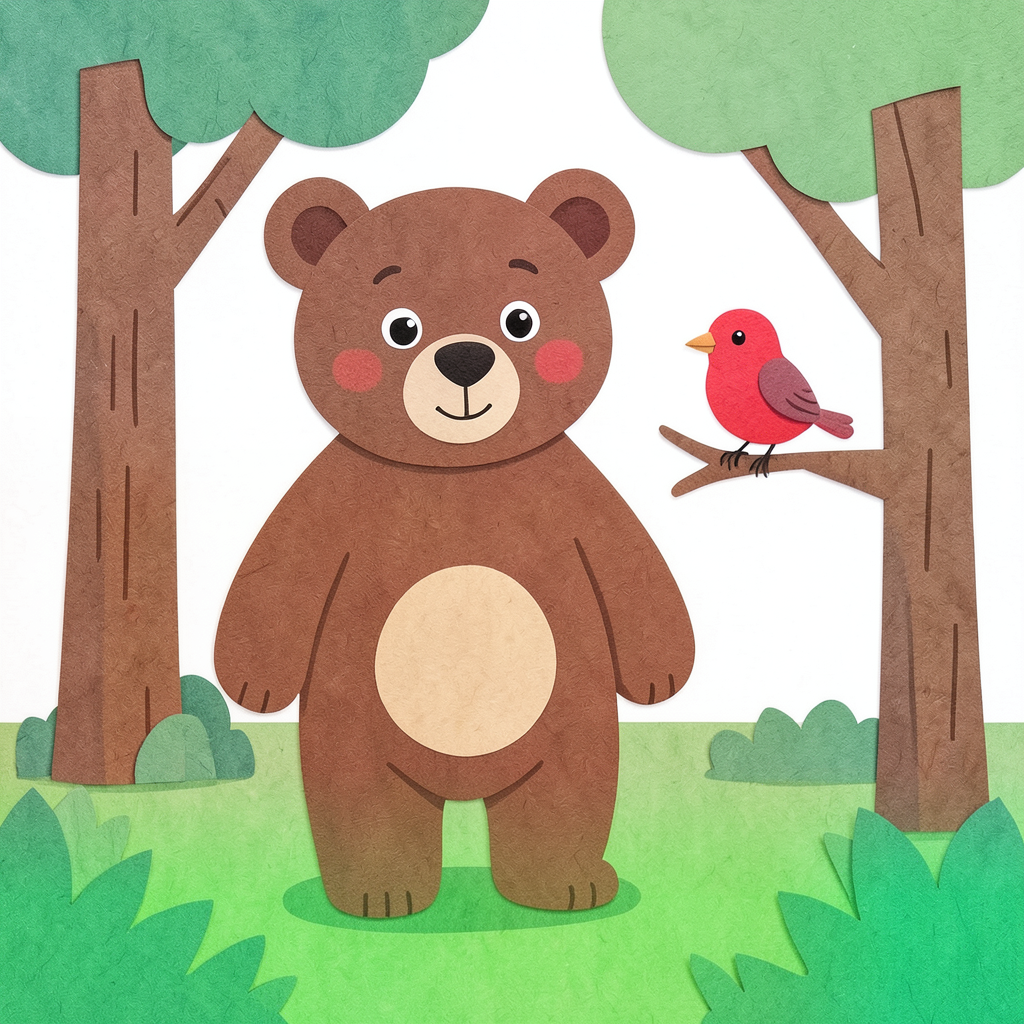
Die-cut windows offer tantalising glimpses — who is behind each one? A clue rhymes on every page, and the final reveal is the most delightful of all. Nina Laden's clever peekaboo book rewards re-reading and gives very young children the pleasure of predicting what comes next.
Themes
PeekabooRhymeAnimals
Best For
- Babies and toddlers being introduced to books for the very first time
- Bedtime or playtime read-alouds when a short, high-energy book is needed
- Building early prediction and language skills in a low-pressure, playful way
- Gift giving for baby showers or first birthdays
- Caregivers looking for a book that grows with the child — from passive listener to active guesser
Why Parents Love This Book
Peek-a-Who? has earned its place as a classic board book staple for good reason. Nina Laden's genius lies in combining two irresistible elements for babies and toddlers: the timeless peekaboo game and simple rhyming text. Each page presents a die-cut window that lets tiny readers catch a tantalizing glimpse of what is hiding on the next page, while a short rhyming clue gives just enough information to make a guess. The final reveal — a mirror showing the child's own face — is a stroke of brilliance that never fails to produce giggles and wide-eyed wonder. It rewards repeated readings because toddlers delight in knowing what comes next, shouting out answers before the page turns. The rhymes are clean and predictable in the best possible way, helping very young children internalize the rhythms of language. At just the right length for short attention spans, this book manages to feel complete and satisfying every single time.
Reading Tips for Parents
Slow down at each die-cut window and let your child study the partial image before turning the page — this builds prediction skills and extends the joy of each reveal. Encourage them to say or sign what they think is hiding before you flip. Once your child knows the book well, pause before reading the rhyming answer and let them fill it in. The mirror ending works especially well if you hold the book up so your child can see themselves clearly, then point and say their name. For very young babies, use exaggerated expressions and a playful voice on the "who?" pages. This book is also a natural conversation starter about animals — after each reveal, name the animal and make its sound together.
Awards & Recognition
- New York Times Bestseller
- Named an ALA Notable Children's Book
Educational Value
This book helps children develop skills across multiple areas:
- Vocabulary: Introduces animal names and simple descriptive words through context-rich rhyming clues
- Language and Literacy: Repeating rhyme patterns help babies and toddlers internalize the sounds and rhythms of spoken English
- Cognitive Development: Die-cut windows encourage prediction and hypothesis — children learn to use visual clues to anticipate outcomes
- Social-emotional: The mirror ending supports early self-recognition, a key milestone in infant development typically emerging around 18 months
- Sensory and Fine Motor: Sturdy board pages and the tactile novelty of die-cut holes invite hands-on exploration
- Math Readiness: Each page-turn follows a consistent pattern, building an understanding of sequence and predictable structure
Discussion Questions
Use these questions to spark conversation before, during, or after reading:
- What do you see through the little window? What do you think is hiding?
- Which animal was your favorite surprise? Why did you like that one?
- Can you make the sound that animal makes?
- The last peek-a-who shows someone very special — who did you see in the mirror?
- If you could hide behind a window in a peekaboo book, what animal would YOU want to be?
Content Notes for Parents
There are no scary, sad, or mature elements in this book. It is gentle, playful, and entirely appropriate for babies and toddlers from birth onward.
Frequently Asked Questions
What age is Peek-a-Who? best for?
The book is ideal from about 6 months through age 3. Very young babies enjoy the high-contrast images and rhythmic reading aloud, while toddlers get the most interactive fun as they learn to predict and name the animals. Many families find it remains a favorite well past age 2 because children love showing off that they know the answers.
Is this book durable enough for babies who chew and grab?
Yes — Peek-a-Who? is published as a sturdy board book with thick, chew-resistant pages. The die-cut windows are cut into the heavy cardboard, so they hold up well to repeated handling. As with any board book, supervision is recommended with very young babies.
Are there any scary or upsetting moments in the book?
Not at all. Every reveal is a friendly, familiar animal, and the final surprise is a mirror showing the child their own face. The tone is purely playful and warm throughout, making it suitable for even very sensitive little ones.
What makes the ending special?
The last die-cut window reveals a small mirror embedded in the page, so when children peek through, they see themselves. This moment of self-recognition is almost universally delightful for toddlers and often prompts laughter, pointing, and name-calling. It is a genuinely clever and memorable conclusion that parents report being asked to repeat again and again.
Are there other books like Peek-a-Who? that we might enjoy?
If your child loves this one, look for other interactive board books like Tana Hoban's Black on White for very young babies, or Karen Katz's Where Is Baby's Belly Button? for a similar lift-the-flap peekaboo experience. Eric Carle's The Very Hungry Caterpillar also uses die-cut holes in a more narrative way for slightly older toddlers.