Where Is Baby's Belly Button?
About This Book
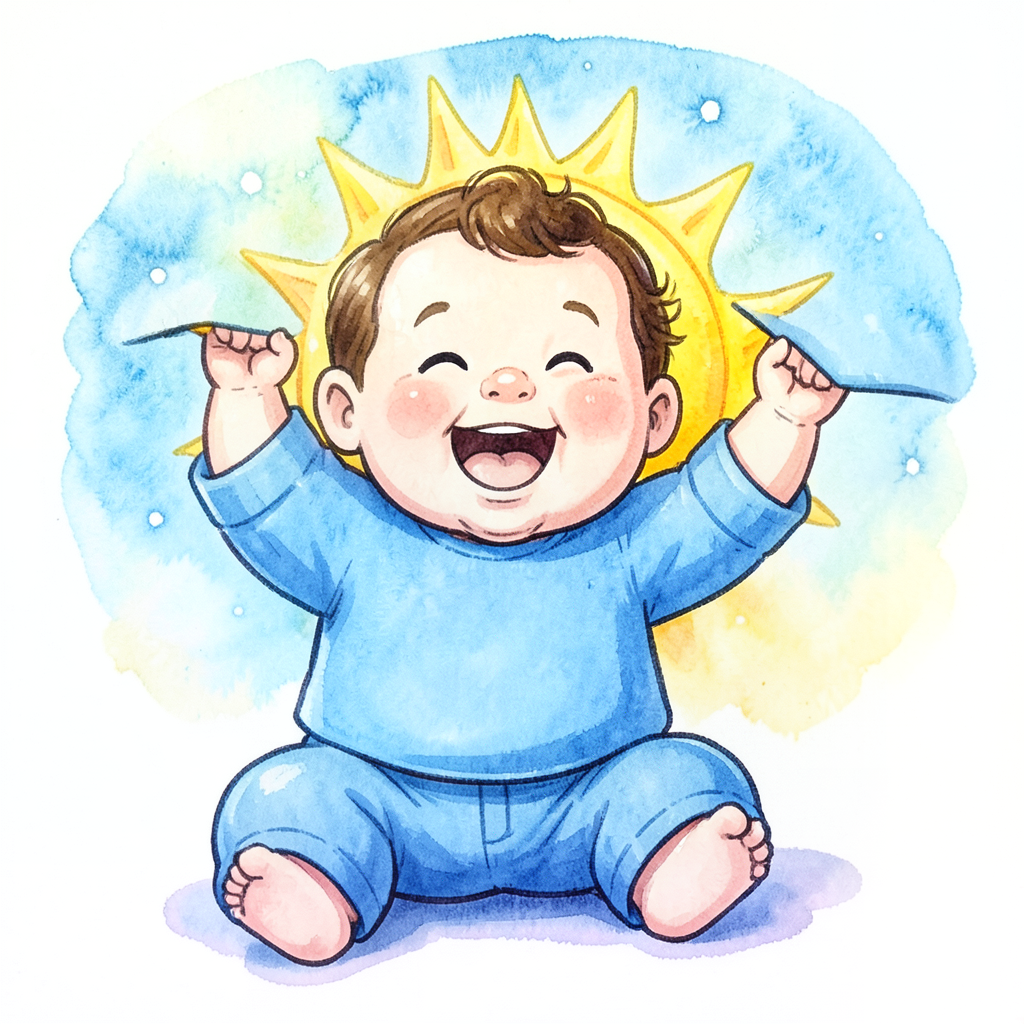
Cheerful flaps hide a friendly baby's ears, toes, eyes, and belly button in this beloved lift-the-flap book. Each simple question and satisfying reveal makes this a perfect first game of peekaboo, building vocabulary and cause-and-effect understanding for the very youngest readers.
Themes
DiscoveryPlayBody Parts
Best For
- Babies aged 6 to 18 months who are just beginning to recognize body parts and respond to their names
- Diaper changes and bath time when a quick, interactive book keeps a wiggly baby engaged
- First-time parents looking for a structured way to practice peekaboo and early vocabulary together
- Baby shower or first-birthday gifts, since the durable board format survives heavy infant use
- Childcare and daycare settings where a brief, whole-group lift-the-flap reading can involve multiple babies at once
Why Parents Love This Book
Karen Katz's "Where Is Baby's Belly Button?" has earned its place as a nursery staple because it distills everything a baby book should be into one perfectly calibrated experience. Each page poses a simple question — "Where are baby's eyes?" — then hides the answer under a sturdy flap that tiny fingers can learn to lift on their own. The cheerful, multicultural artwork features a warm, round-faced baby whose expressions are irresistibly expressive, making the reveal feel like a genuine shared moment of delight. What elevates this above other lift-the-flap books is the rhythm: the repeated question-and-answer pattern gives very young children a sense of narrative structure before they can speak a single word. The peekaboo mechanic also mirrors the classic game parents already play, so the book feels like a natural extension of daily interaction. By the time baby reaches the belly button on the final page, both reader and listener are grinning. It is one of those rare books that gets better — not more worn out — with every reading.
Reading Tips for Parents
Start by covering your own face and doing peekaboo before opening the book, so babies arrive primed for the game. When you lift each flap, pause for a full second and let your child's eyes land on the illustration before you say the body part name — that pause is where language learning happens. Point to the same body part on your child's body immediately after the reveal ("There are baby's toes — and here are YOUR toes!"), which reinforces vocabulary through touch. Let babies who are eight months or older try to lift the flaps themselves; the motor effort is part of the learning. After a few readings, try asking the question but staying quiet — many children will surprise you by vocalizing or pointing before you reveal the answer. The board book format is intentionally durable, so sharing it during bath time or diaper changes works well.
Awards & Recognition
- New York Times Bestseller
- Publishers Weekly Bestselling Board Book — has remained in print continuously since its 2000 publication, a mark of sustained commercial and critical endorsement
Educational Value
This book helps children develop skills across multiple areas:
- Vocabulary: Introduces core body-part words — ears, eyes, toes, belly button — through repeated, context-rich exposure that supports early language acquisition.
- Cause and effect: Lifting each flap and revealing a hidden image teaches very young children that their actions produce predictable, satisfying results.
- Fine motor skills: Gripping and pulling sturdy board-book flaps builds the pincer grasp and finger strength needed for later writing and self-care tasks.
- Social-emotional: The shared laughter of peekaboo reinforces attachment and teaches babies that interactions with caregivers are safe, joyful, and reciprocal.
- Self-awareness: Connecting the illustrated baby's body parts to their own body helps infants begin to develop a sense of their physical self.
- Pre-literacy: The consistent question-and-answer sentence structure introduces children to narrative pattern and call-and-response long before they can read.
Discussion Questions
Use these questions to spark conversation before, during, or after reading:
- Can you find YOUR belly button? Where is it hiding?
- Which body part was your favorite to find? Why did you like that one?
- What sound does baby make when we find the right spot — do you think baby is happy or surprised?
- Can you point to your ears, your toes, and your eyes, just like the baby in the book?
- If you could add one more page, what body part would you hide under the flap?
Content Notes for Parents
There are no scary, sad, or mature elements in this book. It is entirely gentle and age-appropriate for babies and toddlers from birth onward.
Frequently Asked Questions
What age is this book really meant for?
It is designed for babies and toddlers from birth through about age three. The sweet spot is roughly six to eighteen months, when infants are actively learning body-part names and love the surprise of peekaboo. Older toddlers often enjoy it as a comfortable, familiar re-read even after they have mastered all the vocabulary.
Are the flaps durable enough for a baby to use independently?
The flaps are made of thick board stock and are sturdier than most lift-the-flap books, which is one reason this title has stayed in print for over two decades. That said, unsupervised use by babies who are teething or going through a tearing phase will eventually wear them down. Light supervision during independent exploration extends the book's life considerably.
Is the baby in the book representative of different ethnicities?
Yes. Karen Katz is known for her commitment to multicultural illustration, and the baby featured in this book has warm, medium-brown skin and dark hair, providing representation that many families find refreshing in a genre where white-presenting babies have historically dominated.
My child is two and already knows all the body parts. Is it too babyish?
Not necessarily — many two-year-olds love the ritual of a familiar book and the confidence of knowing all the answers. You can extend the experience by asking your child to be the one who 'reads' it to you, narrating each page. That shift from listener to storyteller is a meaningful pre-literacy step.
Are there similar books we could read alongside this one?
Karen Katz wrote several companion books using the same lift-the-flap format, including 'Where Is Baby's Mommy?' and 'Peek-a-Baby', which make natural companions. For body-part vocabulary through a slightly different approach, 'From Head to Toe' by Eric Carle offers action-based movement alongside naming, which pairs well for toddlers who are ready to move beyond pure identification.