Where's Spot?
About This Book
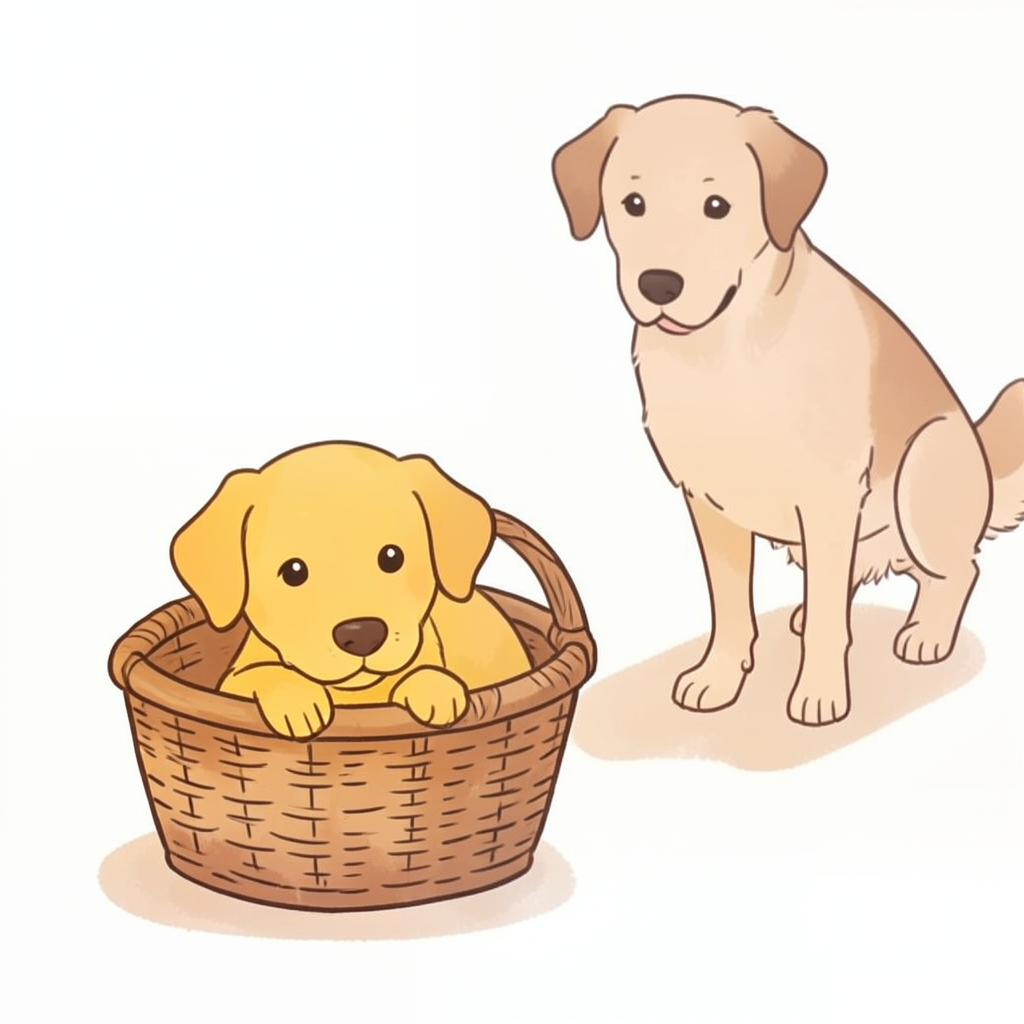
Sally the dog is looking everywhere for Spot before supper — under the rug, inside the clock, behind the door. Each lift-the-flap reveal hides a friendly surprise animal before the very last flap reveals Spot himself, tail wagging. The original lift-the-flap book and one of the bestselling children's titles of all time.
Themes
AnimalsSearch and FindDinnertime
Best For
- Lap reading with babies aged 6 months and up who are just beginning to track faces and objects
- Toddlers going through a strong object permanence stage who love peek-a-boo games
- First independent reading experiences for 2- to 3-year-olds who want to turn pages themselves
- Pediatrician waiting rooms or travel bags — short enough to read multiple times in one sitting
- Gifting at baby showers or first birthdays as a reliable, universally loved classic
Why Parents Love This Book
Where's Spot? has captivated babies and toddlers for over four decades, and it is easy to understand why. Eric Hill invented the lift-the-flap format with this book, and he got it exactly right on the first try. The story is simple enough for the youngest listeners — Spot's mother Sally searches the house for her puppy before supper — yet the structure is perfectly designed for tiny hands and developing minds. Each flap hides a friendly surprise: a bear in the wardrobe, a snake under the rug, a hippo in the clock. The animals are always cheerful, never frightening, and the repeated "No!" answer that greets Sally builds a satisfying rhythm that children memorize quickly. The payoff — Spot himself, wagging his tail in his basket — feels genuinely earned. The bold, simple illustrations use clean outlines and bright primary colors that are ideal for very young eyes. This is one of the rare books that works just as well for a six-month-old sitting in a lap as it does for a confident two-year-old turning flaps independently.
Reading Tips for Parents
Slow down at every flap and let your child do the lifting — even very young babies enjoy the physical cause-and-effect of pulling a flap open. Before you reveal what is underneath, pause and ask "Who do you think is hiding?" This small habit builds prediction skills and stretches out the reading experience. Once your child knows the book well (which will happen quickly), let them "read" it to you by answering Sally's questions before you even open the flap. The repeated phrase "No!" is often the first word toddlers will shout along with, so encourage that participation. If a flap tears — and it will — a small piece of clear tape keeps it usable. Having a second copy is not a bad idea for a book this beloved. The book pairs well with a stuffed animal version of Spot for imaginative play after reading.
Awards & Recognition
- New York Times Bestseller — one of the bestselling children's picture books of all time
- Considered a landmark publishing achievement as the original lift-the-flap book, credited with creating an entirely new category of children's publishing
Educational Value
This book helps children develop skills across multiple areas:
- Object permanence: Lifting each flap reinforces that hidden objects still exist, a foundational cognitive milestone for infants and toddlers.
- Fine motor skills: Gripping and pulling small cardboard flaps builds the pincer grip and hand strength needed for later writing.
- Vocabulary: Children naturally absorb location words — under, behind, inside, in — through Sally's repeated search pattern.
- Prediction and sequencing: The repetitive structure teaches children to anticipate what comes next and understand narrative order.
- Animal recognition: Each hidden creature gives parents a natural opportunity to name animals and their sounds.
- Social-emotional: The warm reunion between Sally and Spot at the end models the comfort of being found and belonging to a family.
Discussion Questions
Use these questions to spark conversation before, during, or after reading:
- Where is Spot hiding at the end? Can you show me with your finger?
- Which animal surprised you the most when we opened the flap?
- Why do you think Sally wants to find Spot before supper?
- If you were hiding, where in our house would you go?
- Can you make the sound of one of the animals we found hiding?
Content Notes for Parents
There are no scary, sad, or mature elements in this book. All hidden animals are friendly and illustrated in a gentle, non-threatening style. This is a completely worry-free read for all ages within the target range.
Frequently Asked Questions
What age is Where's Spot? really for?
The book is designed for ages 0 to 3, but it genuinely works across that entire range. Babies as young as 6 months enjoy the bold illustrations and the physical act of watching a flap open. By age 2, most children are actively lifting flaps and shouting the answers themselves. Many 3-year-olds still request it regularly.
Are the flaps durable enough for babies and toddlers?
The board book edition has reinforced flaps that hold up reasonably well, but determined toddlers will eventually tear one or two. Clear tape repairs them easily. For very young babies who mouth and grab, supervised reading is a good idea. The flaps are intentionally simple and large enough for small fingers to manage.
Is this book good for language development?
Yes, it is one of the better early language books available. The repetitive sentence structure — 'Is he behind the door? No!' — gives children a reliable pattern to latch onto, which is exactly how early language acquisition works. Location prepositions like under, behind, and inside get natural, repeated exposure without any drilling.
My child wants to read this every single night. Is that normal?
Completely normal, and actually a great sign. Repetition is how toddlers consolidate language and build confidence. The predictable structure of Where's Spot? makes children feel competent when they know what comes next. Consider it a success when they start correcting you if you try to skip a page.
What are some similar books we can try after this one?
Eric Hill wrote many follow-up Spot books — Spot Goes to School, Spot's First Christmas, and Spot Goes to the Park are all popular. If your child loves the lift-the-flap format itself, Dear Zoo by Rod Campbell offers a similar search-and-reveal structure with a different animal theme. For slightly older toddlers ready for more story, Brown Bear, Brown Bear, What Do You See? by Bill Martin Jr. uses a comparably satisfying repetitive pattern.