Waiting Is Not Easy!
About This Book
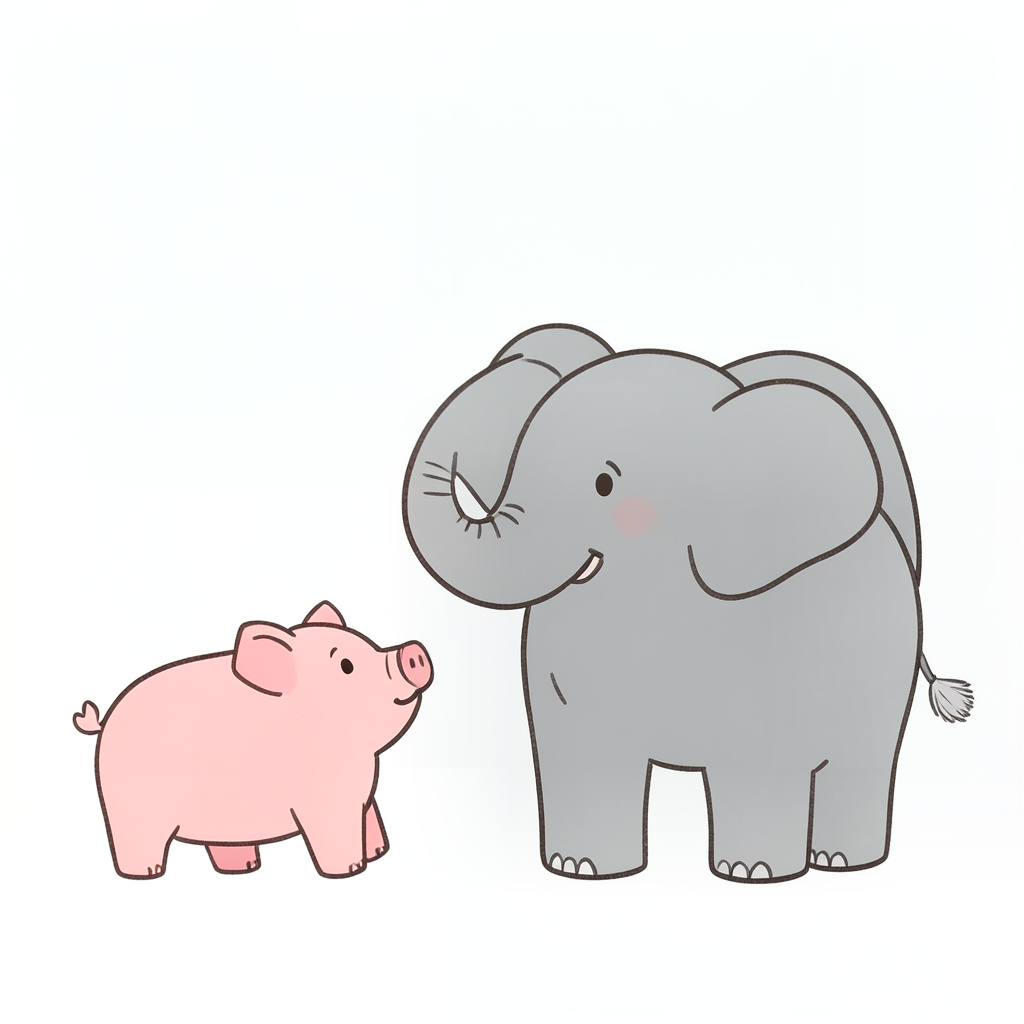
Piggie has a surprise for Gerald the elephant, but he has to wait for it. Gerald finds waiting very, very hard. Through increasingly dramatic expressions of impatience, he discovers that some things — like watching the stars come out — are absolutely worth the wait.
Themes
PatienceFriendshipHumor
Best For
- Children who struggle with patience or are currently experiencing a big wait (a birthday, a move, a new baby)
- Beginning readers ready to tackle their first solo book thanks to simple, repetitive text in clear speech bubbles
- Read-alouds that benefit from dramatic performance — parents and teachers who enjoy playing up the comedy
- Introducing the concept that good things sometimes require getting through hard feelings first
- Bedtime reading with the natural transition to the quiet, starlit ending
Why Parents Love This Book
Mo Willems has built the Elephant and Piggie series on the genius of simplicity, and "Waiting Is Not Easy!" is one of its finest examples. The entire book is essentially Gerald suffering through an afternoon of anticipation while Piggie holds a delightful secret — and yet Willems wrings enormous comedy, genuine emotion, and real wisdom from that single premise. Gerald's escalating dramatics ("I have been waiting FOREVER!" he announces after what feels like seconds) are laugh-out-loud funny precisely because every child knows exactly how that feels. The payoff — a gorgeous night sky full of stars — arrives quietly and earns its moment completely. What makes this book endure is how it earns its lesson without ever lecturing. Gerald doesn't suddenly become patient; he simply experiences something beautiful that could not have been rushed. The message lands naturally: the best things sometimes require us to get through the hard part first. Willems's expressive cartoon faces do more emotional work per square inch than most illustrated novels manage across entire pages.
Reading Tips for Parents
Read this one with full theatrical commitment — Gerald's impatience deserves big sighs and exaggerated groans, which children absolutely love and will want to imitate. Pause before each "NOT YET" to let the tension build, then exaggerate your disappointment along with Gerald. After finishing, ask your child to point to a moment when they had to wait for something recently. The book works especially well before a real waiting situation (a birthday, a trip, a new sibling) as a gentle, funny way to name what they're feeling. Because the text is spare and the speech bubbles are clearly separated, this is a strong early-reader candidate for children just beginning to follow along independently. Let them take Gerald's lines while you read Piggie's.
Awards & Recognition
- Theodor Seuss Geisel Honor Book, 2015 (American Library Association)
- Part of the Elephant and Piggie series, which received the Theodor Seuss Geisel Award for the series as a whole in 2007
Educational Value
This book helps children develop skills across multiple areas:
- Social-emotional: Names and validates the genuine difficulty of patience without minimizing it — children see their own frustration reflected honestly rather than dismissed
- Vocabulary: Introduces expressive language for emotions (impatient, frustrated, amazed) through context rather than definition, making words stick naturally
- Early literacy: Short, high-contrast speech bubbles with repetitive text patterns support beginning readers building sight-word fluency and print tracking
- Comprehension: The cause-and-effect structure (waiting leads to reward) is clear enough for pre-readers to grasp and discuss
- Social skills: Models a friendship dynamic where one friend holds a boundary kindly but firmly, and the other ultimately trusts them — a valuable template for children
- Art appreciation: The final wordless spread of the night sky invites children to sit with an image quietly, building visual literacy and tolerance for open-ended moments
Discussion Questions
Use these questions to spark conversation before, during, or after reading:
- Why do you think Piggie wouldn't tell Gerald what the surprise was? Would you want to know right away or wait?
- Gerald says waiting is NOT easy. Can you think of something you had to wait for that felt really hard?
- How do you think Gerald felt at the very end when he finally saw the surprise? What clues did the pictures give you?
- Do you think the surprise was worth the wait? Why or why not?
- If you had a surprise for a friend who kept asking 'Is it time yet?', what would you do to help them wait?
Content Notes for Parents
No content concerns. This book contains only gentle humor and mild cartoon frustration — nothing scary, sad, or mature. It is suitable for all children in the target age range.
Frequently Asked Questions
What age is this book best for?
The publisher targets ages 4–7, and that range holds up well in practice. Younger children (4–5) enjoy the humor and the expressive illustrations even if they're not yet reading independently. Children 5–7 who are beginning readers can often read significant portions on their own, making it doubly satisfying as both a shared read-aloud and an early independent read.
Is this a good book for teaching patience, or does it feel preachy?
It is genuinely one of the least preachy books on the subject. Mo Willems never has a character explain the moral — Gerald simply experiences the result of waiting and the reader draws the conclusion. The lesson arrives through storytelling rather than instruction, which is why children respond to it without resistance.
Do I need to read other Elephant and Piggie books first?
Not at all. Each book in the series stands completely alone. Gerald and Piggie's friendship is established in the very first pages through their warmth toward each other, so new readers catch on immediately. That said, children who love this one typically want to collect the entire series.
Are there any scary or upsetting moments?
None. The darkest the book gets is Gerald's comic despair at having to wait, which children find funny rather than distressing. The ending is quiet and peaceful. It is a comfortable choice even for sensitive children.
What books are similar that we could read next?
Other Elephant and Piggie titles are the natural next step — 'We Are in a Book!' and 'I Am Invited to a Party!' are fan favorites. Outside the series, 'Interrupting Chicken' by David Ezra Stein covers similar emotional territory with humor, and 'Enemy Pie' by Derek Munson explores friendship and trusting a process in a slightly longer picture-book format for children ready for a bigger story.