Ella Enchanted
About This Book
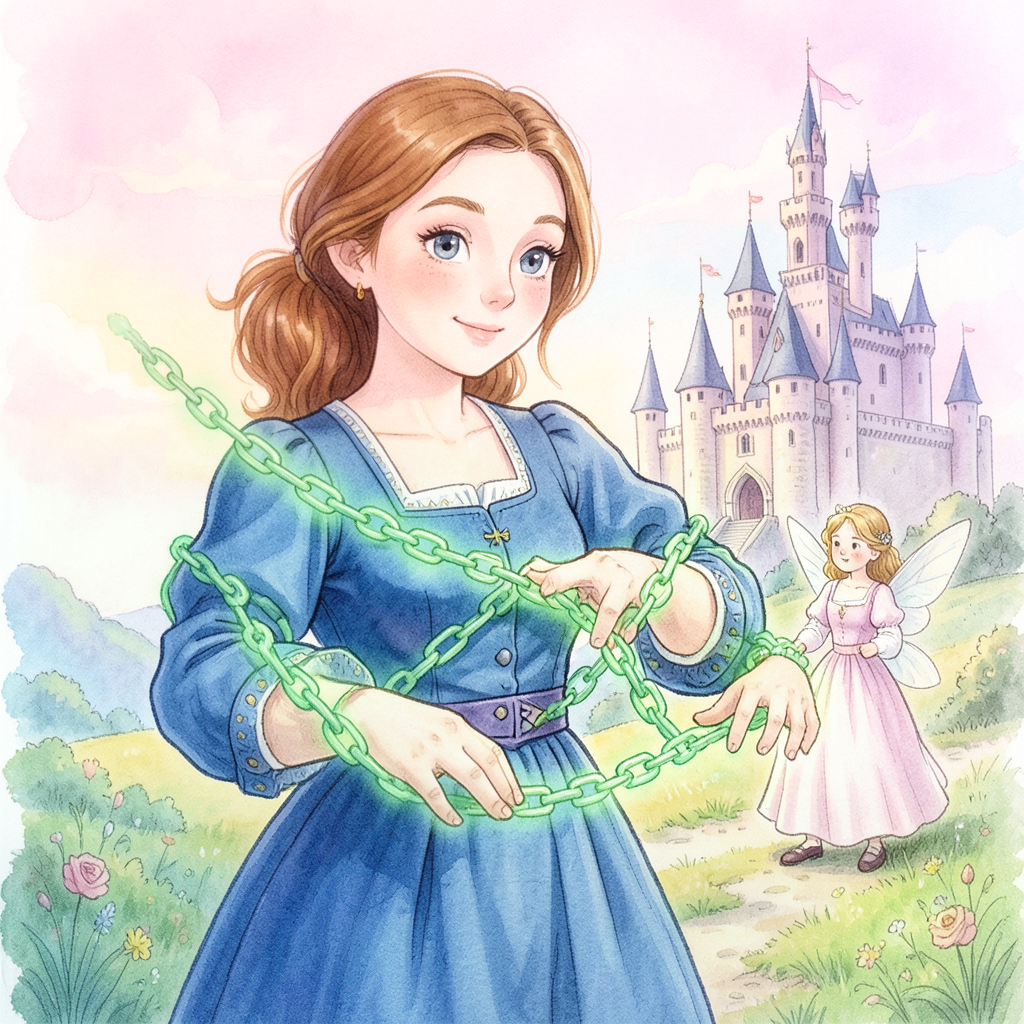
At birth, Ella receives a fairy's 'gift' of obedience — she must do anything she is told. This curse makes her vulnerable to anyone who discovers her secret. Determined to break the spell, Ella embarks on a quest that leads her through ogre-filled forests, giant weddings, and eventually to a ball with Prince Charmont.
Themes
IndependenceCourageSelf-Determination
Best For
- Kids who love fairy tales but want a heroine who actively drives the plot
- Readers ages 9-12 who are ready to think about identity, autonomy, and peer pressure
- Classroom or book club use where discussion of classic story structures is part of the curriculum
- Parent-child read-aloud pairs who want a story with genuine emotional depth and humor
- Fans of fantasy-adjacent adventure with a satisfying, earned romance
Why Parents Love This Book
Ella Enchanted stands apart from other fairy tale retellings because it transforms Cinderella's passive heroine into a fiercely spirited protagonist who fights every step of the way against an impossible constraint. The "gift" of obedience that Ella receives at birth is a brilliant conceit: it forces readers to grapple with questions of free will and identity in ways that feel immediate and personal, not abstract. Gail Carson Levine gives Ella a sharp wit, genuine courage, and a stubborn refusal to accept her circumstances even when she literally cannot refuse a direct command. The romance with Prince Char unfolds slowly and believably — built on friendship, letters, and mutual respect rather than a single magical glance. The Cinderella scaffolding provides just enough familiarity to feel comforting while Levine subverts it at every turn. Published in 1997 and still widely read today, the novel earns its longevity because its central question — how do you remain yourself when others keep trying to define you — never goes out of style.
Reading Tips for Parents
This is a confident independent read for most 8- to 12-year-olds, but it also makes an outstanding read-aloud for parents who want to spark conversation. Because the plot turns on a curse of compelled obedience, it opens naturally into discussions about peer pressure, saying no, and recognizing when someone is taking advantage of you — conversations that feel urgent for kids in this age range. Encourage your child to pause whenever Ella is given a command and ask, "What would she do if she could choose freely?" The epistolary sections — letters between Ella and Char — are a great prompt for practicing letter-writing. If your child finishes quickly and wants more, Levine's companion novel Fairest and her two-book series The Two Princesses of Bamarre scratch the same itch.
Awards & Recognition
- Newbery Honor Book, 1998
- ALA Notable Children's Book, 1998
Educational Value
This book helps children develop skills across multiple areas:
- Vocabulary: The novel uses rich, slightly archaic language — words like 'implore,' 'vex,' and 'obsequious' — that stretches readers without stopping the story's momentum.
- Social-Emotional Learning: Ella's situation is a powerful metaphor for peer pressure, coercion, and the struggle to assert your own identity against external demands.
- Critical Thinking: Readers are constantly invited to notice the gap between what Ella says (what she is commanded to say) and what she actually feels or intends.
- Literary Analysis: The Cinderella framework gives teachers and parents an ideal entry point for discussing how authors retell, revise, and critique classic stories.
- Writing Skills: The letter-writing sequences between Ella and Char model how to express emotion and character through correspondence, a natural prompt for student writing.
- Ethics and Autonomy: The story raises genuine philosophical questions about free will, consent, and what it means to make a truly free choice.
Discussion Questions
Use these questions to spark conversation before, during, or after reading:
- Why do you think the fairy Lucinda thought obedience was a gift? Do you think she understood what she was actually doing to Ella?
- Ella keeps her curse a secret from almost everyone. Have you ever had to hide something about yourself to stay safe? How did that feel?
- Ella resists her curse in small ways even though she cannot break it outright. What are some of the clever things she does to protect herself?
- If you could write one letter to Ella during the hardest part of her journey, what advice or encouragement would you give her?
- At the end of the story, Ella breaks the spell through an act of will. What do you think finally gave her the strength to do it?
Content Notes for Parents
There are mild peril scenes involving ogres and dangerous forest travel, and Ella endures emotional cruelty from her stepsisters and stepmother, but nothing is graphically violent or frightening. Sensitive readers around age 8 may find Ella's helplessness frustrating or upsetting, which is worth acknowledging and discussing.
Frequently Asked Questions
What age is Ella Enchanted really right for?
Most readers find their sweet spot between ages 9 and 12. Confident readers at the younger end of that range handle it easily, and the emotional complexity keeps older middle-grade readers fully engaged. The themes of autonomy and manipulation may resonate even more deeply around ages 10-12 as kids navigate real social pressures.
Is there anything in the book parents should be aware of before handing it to a younger child?
The story includes scenes of emotional cruelty (the stepsisters are genuinely unkind) and mild fantasy peril involving ogres and dangerous journeys. There is no graphic violence or mature content. The most challenging element for sensitive kids is probably the sustained helplessness Ella experiences — she cannot refuse commands, which some younger readers find distressing. It is worth a brief heads-up and an invitation to talk about it.
How does the book compare to the 2004 Anne Hathaway movie?
The film takes significant liberties with the plot, adding a comedic musical tone and several subplots not in the novel. The book is considerably more nuanced and emotionally grounded. If your child saw the movie first, frame the book as its own separate experience — they will likely find the novel richer and more satisfying.
Is this a good book for kids who do not usually like reading?
It is one of the better choices for reluctant middle-grade readers precisely because the plot moves quickly and Ella's predicament creates genuine suspense from the first chapter. The Cinderella connection provides a familiar hook, and the short chapters make it easy to read in sessions without losing the thread. That said, the vocabulary is a step up from easy chapter books, so it works best for readers who are at or near grade level.
Are there similar books you would recommend alongside Ella Enchanted?
Gail Carson Levine's own Fairest is a natural companion. Other strong matches include The Girl Who Drank the Moon by Kelly Barnhill for lyrical fantasy, Princess Academy by Shannon Hale for a similarly independent heroine in a fairy-tale world, and Dealing with Dragons by Patricia C. Wrede for a Cinderella-era princess who also refuses to follow the script.