Island of the Blue Dolphins
About This Book
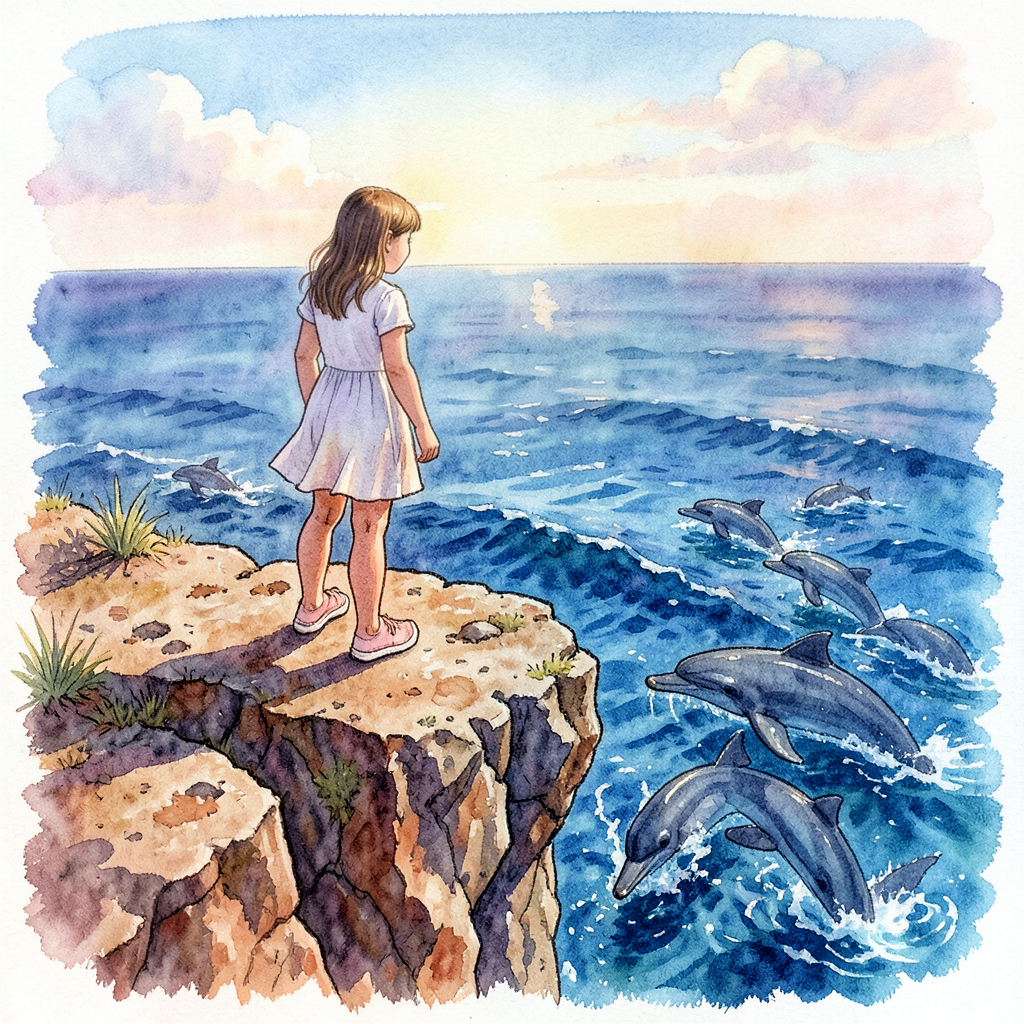
Based on a true story, twelve-year-old Karana is stranded alone on a Pacific island after her tribe leaves and her brother is killed by wild dogs. Over eighteen years, she builds shelter, makes weapons, tames animals, and survives — finding strength and peace in her solitude and connection to nature.
Themes
SurvivalCourageNature
Best For
- Independent readers aged 9-12 who are ready for longer, more reflective chapter books
- Children who love nature, animals, and survival stories
- Classroom or homeschool units on California history, Indigenous peoples, or environmental themes
- Kids who have recently read Hatchet or My Side of the Mountain and want a similarly immersive survival story with a female protagonist
- Families who enjoy reading aloud and discussing ethical dilemmas together
Why Parents Love This Book
Island of the Blue Dolphins endures because it tells a story of extraordinary human resilience without ever feeling like a lecture. Based on the true story of the Lone Woman of San Nicolas Island — a Chumash woman who survived alone on a Pacific island for nearly eighteen years in the nineteenth century — Scott O'Dell gives her a name, Karana, and a voice that feels intimate and utterly real. What sets this book apart is that Karana's survival is not just physical. She rebuilds weapons her tribe's customs forbade women to make. She befriends the wild dog that killed her brother. She finds a rhythm and a kind of peace in her solitude that many readers, young and old, find quietly profound. O'Dell never sensationalizes or over-explains; he trusts Karana to carry the story, and she does. For children aged 8 to 12, this is a rare novel that models inner strength, adaptability, and a deep, non-sentimental love of the natural world — themes that feel as urgent today as they did in 1960.
Reading Tips for Parents
This is an advanced middle-grade novel best suited for confident readers aged 9 to 12, though motivated 8-year-olds with adult support will find it accessible. Because Karana's solitude spans many years, the book has a slow, meditative pace that rewards patient readers — encourage your child to notice how O'Dell marks the passage of time through seasons and nature. The death of Karana's younger brother Ramo early in the story is sudden and emotional; preview this moment if your child is sensitive to loss. The novel works beautifully as a read-aloud for ages 8 and up, or as a paired reading project where you read simultaneously and discuss chapters together. After finishing, look up the real Lone Woman of San Nicolas Island — the true history deepens the experience and opens excellent conversations about Indigenous peoples of California.
Awards & Recognition
- Newbery Medal, 1961
- Hans Christian Andersen Award nominee (Scott O'Dell), 1962
Educational Value
This book helps children develop skills across multiple areas:
- Social-emotional learning: Karana's story models resilience, self-reliance, and emotional regulation in the face of prolonged isolation and grief.
- History and culture: The novel introduces readers to the Indigenous Chumash and Aleut peoples of California's Channel Islands and connects to real documented history.
- Science and ecology: Karana's daily observations of tides, wildlife, and seasons build rich vocabulary and awareness of Pacific island ecosystems.
- Vocabulary: O'Dell's precise, restrained prose introduces words like 'abalones,' 'cormorants,' 'kelp,' and 'otter,' naturally embedded in ecological context.
- Ethics and moral reasoning: Karana faces decisions about tribal customs, killing animals, and forgiveness, prompting children to think through competing values.
- Narrative craft: The first-person retrospective voice and the use of nature as a structural marker of time offer strong models for young writers.
Discussion Questions
Use these questions to spark conversation before, during, or after reading:
- Karana spends many years completely alone on the island. What do you think would be the hardest part of living alone — not having people to talk to, having to find your own food, or something else?
- At first Karana wants to kill the wild dog Rontu, but she ends up befriending him instead. Why do you think she changes her mind, and what does that tell us about her character?
- Karana breaks a tribal rule by making her own weapons. Do you think she was right to break that rule? Can you think of a time when a rule didn't seem fair?
- How does Karana's relationship with nature change over the years she is on the island? Find a passage where you can see this change.
- If you were stranded on an island alone, what is the first thing you would try to do, and what would keep you going?
Content Notes for Parents
The death of Karana's younger brother Ramo, killed by a pack of wild dogs early in the novel, is sudden, violent, and emotionally significant — parents of sensitive children should be prepared to discuss it. There is also sustained loneliness and grief throughout the book, but the overall tone is one of survival and quiet strength rather than despair.
Frequently Asked Questions
What age is this book really appropriate for?
The publisher recommends ages 8 to 12, and that is a reasonable range for the content. However, the slow pace and introspective tone tend to resonate most with readers aged 9 to 12 who are comfortable sitting with quiet stretches of narrative. Younger or reluctant readers will likely enjoy it more as a read-aloud than an independent read.
Is this book too sad or scary for younger children?
There is real sadness in this book — Karana loses her brother, her people, and endures profound loneliness. A wild dog pack is responsible for her brother's death, which some children may find upsetting. That said, the book is not graphic or horror-adjacent; the tone is reflective rather than frightening, and Karana's resilience gives the story emotional grounding. Most children aged 9 and up handle it well.
Is the story actually true?
It is based on a true story. A Chumash woman, known today as the Lone Woman of San Nicolas Island, lived alone on San Nicolas Island off the coast of California for approximately eighteen years in the mid-nineteenth century. She was found in 1853 and died shortly after. O'Dell gave her the name Karana and fictionalized her inner life; the historical outline is real.
What books would pair well with this one?
Children who love Island of the Blue Dolphins often enjoy Hatchet by Gary Paulsen for another survival story, or Julie of the Wolves by Jean Craighead George for a similar female-protagonist wilderness narrative. For something that digs deeper into California Indigenous history, consider pairing it with nonfiction about the Channel Islands.
How long does it take to read, and is it good for a book report?
The novel is approximately 180 pages and most middle-grade readers complete it in one to two weeks of independent reading. It is an excellent book report choice because it has a clear narrative arc, a memorable protagonist, strong themes, and documented historical context that supports research extensions.