Number the Stars
About This Book
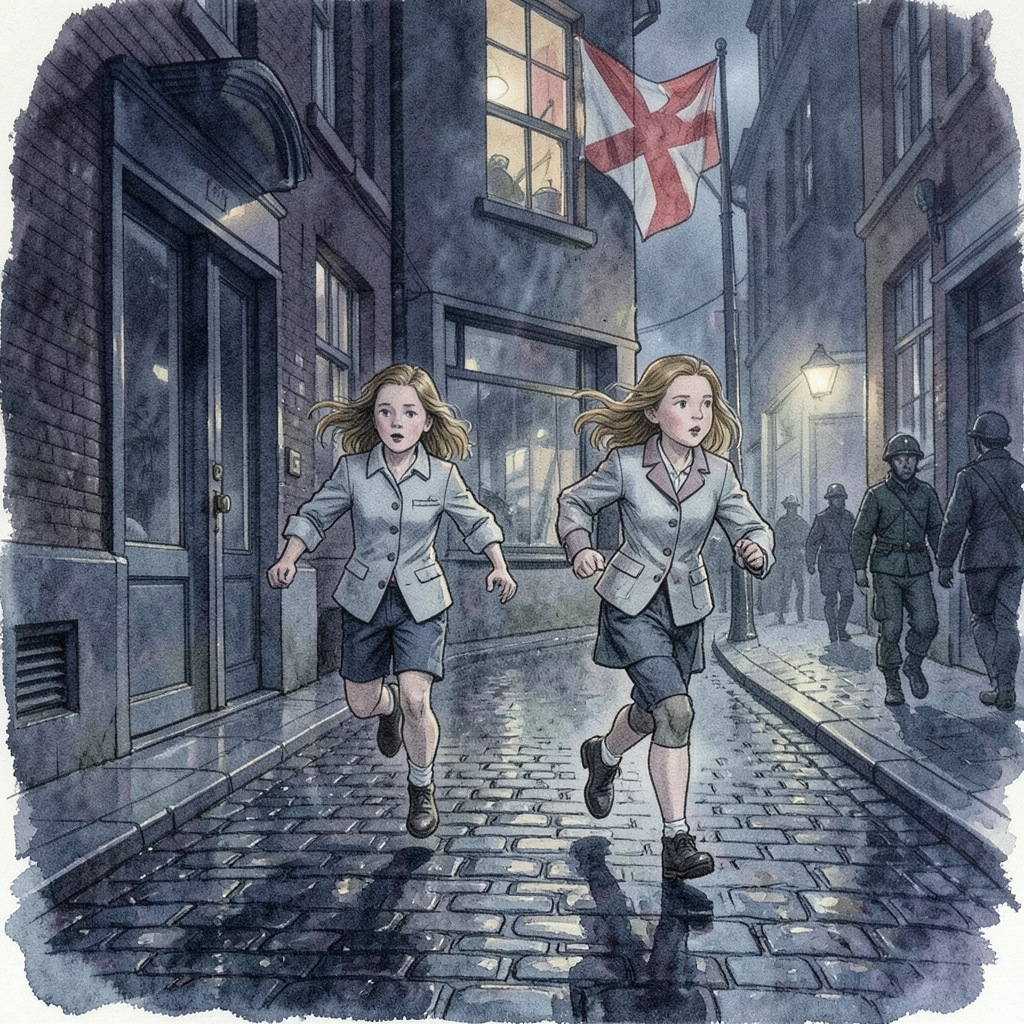
In 1943 Copenhagen, ten-year-old Annemarie Johansen's family helps smuggle her best friend Ellen Rosen and her family to safety in Sweden as the Nazis begin rounding up Danish Jews. Annemarie must summon all her courage for a dangerous errand that could save lives or cost her own.
Themes
CourageFriendshipHeroism
Best For
- Children ages 9-12 beginning to learn about World War II and the Holocaust
- Book clubs looking for a story that generates strong discussion about ethics and courage
- Classroom read-alouds in grades 4 through 6
- Children who have a strong best friendship and connect through stories about loyalty
- Readers ready to move from adventure stories into historically grounded fiction
Why Parents Love This Book
Number the Stars has endured for more than three decades because Lois Lowry makes the horrors of Nazi occupation immediate and personal through the eyes of an ordinary ten-year-old girl. Annemarie Johansen is not a superhero — she is a child who is frightened, uncertain, and yet chooses to act anyway. That distinction matters enormously for young readers. The novel is grounded in meticulous historical research, and Lowry includes an author's note at the end explaining the real events that inspired the story, including the remarkable collective effort of ordinary Danish citizens who helped smuggle nearly the entire Danish Jewish population to neutral Sweden in 1943. The friendship between Annemarie and Ellen gives the story its emotional core: what does it mean to risk everything for someone you love? Lowry never sentimentalizes or sanitizes, but she also never overwhelms young readers. The result is a book that teaches history through feeling — one that children remember long after they have closed the final page.
Reading Tips for Parents
Read Lowry's author's note at the back of the book together before or after finishing — it explains the true history behind the story and grounds the fiction in fact, which deepens the experience significantly. A simple map of Denmark and Sweden helps children visualize the short but dangerous sea crossing the characters attempt. Because the story moves quickly, some readers miss the significance of the handkerchief and the coded package in the climax; pausing to discuss what Annemarie is actually carrying and why it matters will reward the effort. If your child is reading independently, check in after chapter 10 or 11, when tension peaks — some children find those chapters genuinely frightening and benefit from a brief conversation before continuing.
Awards & Recognition
- Newbery Medal, 1990
- National Jewish Book Award, 1989
Educational Value
This book helps children develop skills across multiple areas:
- History: Provides an accurate and humanizing introduction to World War II, the Nazi occupation of Denmark, and the Holocaust through a child-centered perspective.
- Social-emotional learning: Explores moral courage, the difference between fear and cowardice, and what it means to stand up for friends at personal risk.
- Vocabulary: Introduces historically specific language — occupation, resistance, Nazi, synagogue, Rosh Hashanah — in meaningful context that supports retention.
- Literary analysis: Excellent for examining narrative tension, foreshadowing, and how authors use a limited point of view to build suspense.
- Civic values: Sparks discussion about collective responsibility, bystander behavior, and how ordinary people can resist injustice.
- Research skills: Lowry's author's note models how historical fiction is built from primary sources, encouraging young readers to explore further on their own.
Discussion Questions
Use these questions to spark conversation before, during, or after reading:
- Why do you think the Danish people chose to help their Jewish neighbors, even though it was very dangerous? What would you have done?
- Annemarie tells herself a story about being a brave princess when she is most afraid. Why does that help her? Do you have a trick you use when you feel scared?
- Ellen has to pretend to be someone she is not in order to stay safe. How do you think that felt for her? Have you ever had to hide a part of yourself?
- The soldiers stop Annemarie on the dark road and question her. How does Annemarie manage to seem like just an ordinary girl at that moment?
- At the end of the book, Annemarie asks her father about the word 'pride.' What does pride mean in this story, and who shows it?
Content Notes for Parents
The book depicts Nazi soldiers threatening civilians including children, the death of a secondary character, and sustained fear and danger during wartime. These elements are handled with care and age-appropriate restraint, but sensitive readers around age 8-9 may find the tense nighttime scenes genuinely frightening and may benefit from reading alongside a parent.
Frequently Asked Questions
What age is this book really right for?
Most children read this comfortably between ages 9 and 12. Strong readers at 8 can handle it, but the wartime tension and thematic weight land more meaningfully once a child has some context for what World War II was. The Newbery Committee recognized it for readers up through age 14, so it works across a wide range.
Do I need to explain the Holocaust to my child before they read it?
A brief, honest introduction helps enormously. You do not need to go into graphic detail — simply explaining that during World War II, Nazi Germany tried to round up and harm Jewish people across Europe gives children enough context to understand why the characters are so frightened. The book itself provides the emotional education; you just need to open the door.
Is this too scary or sad for younger sensitive readers?
There are genuinely tense chapters, particularly when soldiers confront characters at night, and one important character dies offpage. Lowry handles grief with honesty but not graphic detail. If your child is sensitive to threat or loss, consider reading it together so you can pause and talk through difficult moments. Most children find the ending hopeful and satisfying despite the sadness along the way.
What books are good to read next after Number the Stars?
Children who love this book often go on to enjoy The Boy in the Striped Pajamas by John Boyne for another child-perspective WWII story, or Lowry's own The Giver for more of her signature style of moral complexity. Milkweed by Jerry Spinelli and Ashes by Kathryn Lasky are also excellent next steps for readers ready to go deeper into this period of history.
Is there anything in the book that reflects Jewish religious life accurately?
Lowry depicts Rosh Hashanah observance and references to synagogue life with sensitivity and reasonable accuracy for a work of historical fiction aimed at middle-grade readers. The author's note acknowledges the real Danish Jewish community and the historical rescue effort, and the religious elements serve the story's authenticity rather than being ornamental. Families with Jewish backgrounds have generally found the portrayal respectful.