Esperanza Rising
About This Book
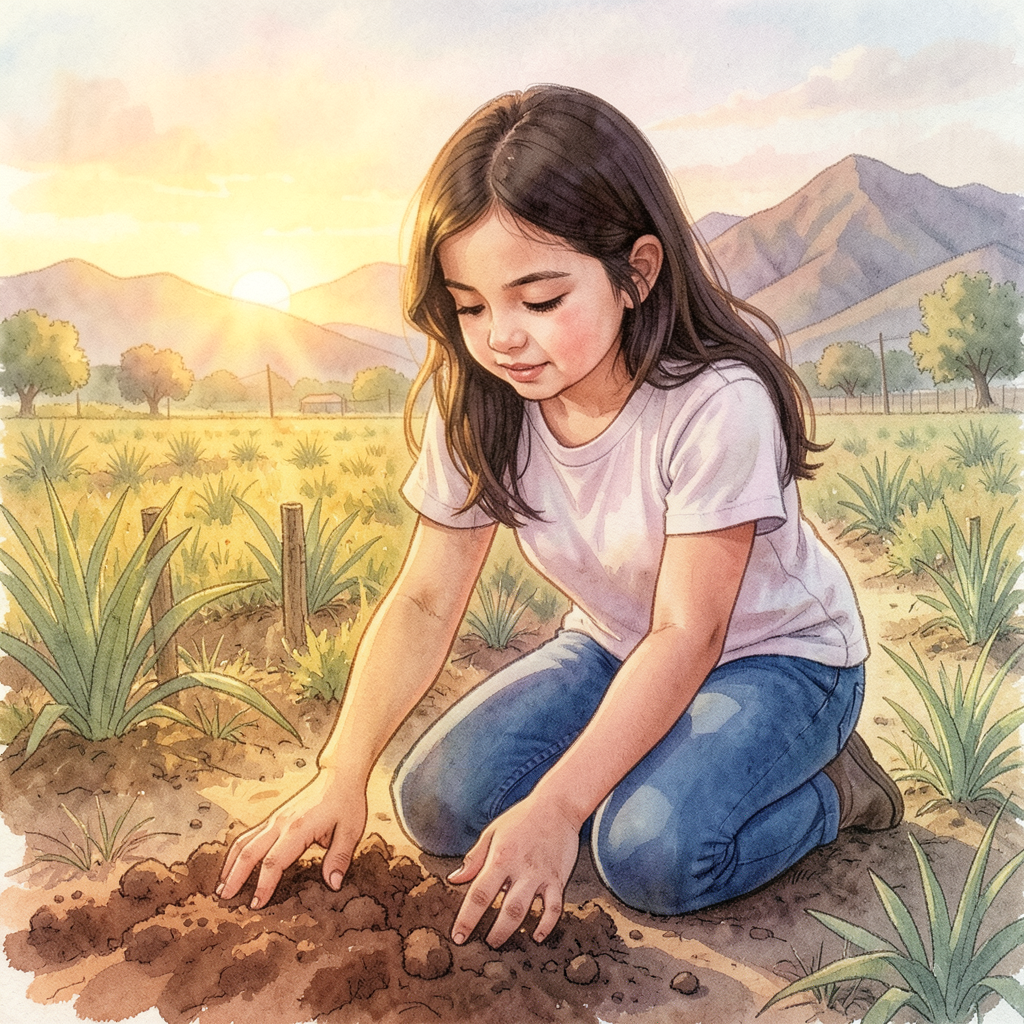
Esperanza grew up on a grand ranch in Mexico and expected a grand life to follow — until tragedy strikes and she and her mother are forced to flee to California as migrant farmworkers. Pam Muñoz Ryan's richly layered novel weaves together themes of class, immigration, labour rights, and the fierce love between mothers and daughters in Depression-era America.
Themes
ImmigrationClassResilience
Best For
- Children ages 10-13 studying U.S. immigration history or the Great Depression in school
- Families who want to discuss class, privilege, and resilience together through story
- Young readers who enjoy emotionally rich, character-driven historical fiction
- Classroom read-alouds or book clubs looking for a novel with strong discussion potential
- Children with Mexican or Latin American heritage who want to see their history reflected in literature
Why Parents Love This Book
Esperanza Rising endures because Pam Munoz Ryan does something rare: she refuses to simplify her protagonist's journey. Esperanza begins as a privileged, somewhat oblivious girl on a Mexican ranch, and the novel earns every step of her transformation into someone who understands labor, sacrifice, and solidarity. Ryan draws on her own family history — her grandmother immigrated from Mexico as a migrant worker — which gives the story an emotional authenticity that children sense immediately. The structure is elegant: each chapter is named after a fruit or vegetable that marks the harvest season, grounding the immigrant experience in the rhythms of the California fields. The mother-daughter bond at the heart of the story is portrayed with exceptional nuance. Esperanza learns resilience not by becoming tough and closed off, but by opening her heart to community. For young readers encountering the Great Depression, the Mexican diaspora, and early labor rights movements for the first time, this novel makes history feel urgent and deeply personal.
Reading Tips for Parents
Before reading, share a brief explanation of the Great Depression and the concept of migrant farmwork — even a two-minute conversation will help children understand why characters make the choices they do. The chapter titles (each named for a crop) are a natural entry point for discussion: ask your child why they think Ryan chose that structure. Be ready for emotionally heavy chapters involving death and illness — these moments are handled with care but can be affecting for sensitive readers. For children ages 10 and up, this is an excellent book to read alongside a parent to process the class and immigration themes together. Keep a world map handy to trace Esperanza's journey from Aguascalientes, Mexico to the San Joaquin Valley in California. The novel pairs well with family conversations about your own family's history of work, migration, or hardship.
Awards & Recognition
- Pura Belpre Award (2002) — awarded by the American Library Association for a Latino author whose work best portrays and celebrates the Latino cultural experience
- Jane Addams Children's Book Award (2002)
- New York Times Bestseller
Educational Value
This book helps children develop skills across multiple areas:
- History: Brings the Great Depression and its impact on immigrant communities to life, making 1930s U.S. and Mexican history concrete and emotionally accessible.
- Social-emotional learning: Models how grief, pride, and class prejudice can change — and how empathy is built through shared hardship rather than pity.
- Vocabulary: Rich with Spanish words and phrases woven naturally into the text, expanding language awareness and prompting curiosity about bilingualism.
- Geography: Traces a real migration route from Aguascalientes, Mexico to California's San Joaquin Valley, encouraging map skills and geographic curiosity.
- Civics and labor history: Introduces the early labor rights movement and the concept of strikes, encouraging critical thinking about fairness and worker dignity.
- Literary analysis: The seasonal chapter structure and recurring motifs (weaving, the rose garden) offer strong material for identifying symbolism and narrative craft.
Discussion Questions
Use these questions to spark conversation before, during, or after reading:
- At the start of the story, Esperanza lives a very different life than she does at the end. What is one way she changes, and what moment do you think caused that change the most?
- Esperanza's mother tells her, 'Wait a little while and the fruit will fall into your hand.' What do you think that means? Can you think of a time in your own life when patience was hard but important?
- The farmworkers in the story are fighting for better conditions. Do you think they were right to go on strike? What would you have done if you were Esperanza?
- Why do you think Pam Munoz Ryan named each chapter after a fruit or vegetable? Pick one chapter title and explain how it connects to what happens in that section.
- Esperanza makes friends with people very different from her background. How does that change her understanding of the world? Have you ever made a friend who was very different from you?
Content Notes for Parents
The novel opens with the violent death of a parent and later includes a serious illness that may be distressing for sensitive readers around ages 8-9; most children 10 and up handle these moments well with parental context. Themes of poverty, racism toward Mexican immigrants, and labor exploitation are presented honestly and are appropriate for discussion rather than avoidance.
Frequently Asked Questions
What age is Esperanza Rising really appropriate for?
The book is best suited for readers ages 10-13. While the reading level is accessible to strong readers as young as 8, the emotional content — including parental death, serious illness, and themes of racism and poverty — is better processed by children who are a little older. Many schools assign it in 5th or 6th grade, which is a natural fit.
Is there any violence or scary content parents should know about?
Yes, a parent dies violently near the start of the book, and a key character becomes seriously ill later in the story. These are handled with restraint and care by the author, but they are genuinely sad moments. We recommend previewing those chapters and being available to talk through them, especially with younger or more sensitive readers.
How is Spanish used in the book — will it confuse English-only readers?
Pam Munoz Ryan weaves Spanish words and phrases into the text naturally, and context almost always makes the meaning clear without a dictionary. For English-only readers, this is actually a feature rather than a barrier — it mirrors the bilingual experience of the characters and gently expands vocabulary. A few parents find it helpful to have a phone handy for quick lookups.
What books would you recommend if my child loved Esperanza Rising?
Children who love this book often enjoy Inside Out and Back Again by Thanhha Lai (another immigration story told with emotional depth), The War That Saved My Life by Kimberly Brubaker Bradley (WWII-era resilience), and Front Desk by Kelly Yang (contemporary Chinese-American immigrant experience). All share strong female protagonists navigating hardship with courage.
Is this book appropriate for a family read-aloud?
Absolutely — it is one of the best choices for a family read-aloud for ages 10 and up. The chapters are short and naturally paced, the emotional beats invite natural pauses for conversation, and the themes of family, sacrifice, and community resonate across generations. Parents often find it as affecting as their children do.