Inside Out and Back Again
About This Book
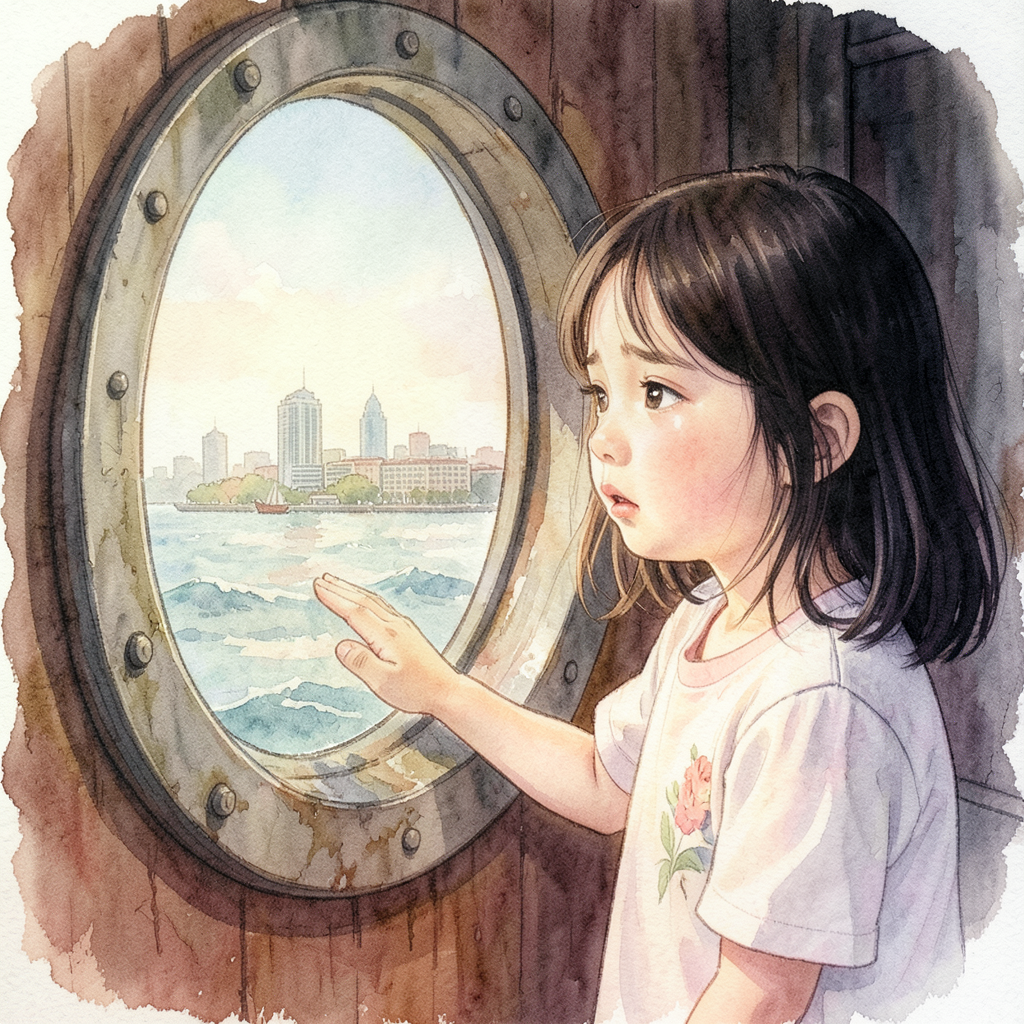
In 1975, ten-year-old Hà and her family flee Saigon and find themselves in Alabama, where everything is strange — the food, the language, the cruelty of classmates, and the kindness of unexpected strangers. Thanhha Lai's autobiographical novel in verse is spare and searing, capturing the experience of refugee resettlement with unflinching clarity and beauty. A National Book Award winner.
Themes
ImmigrationIdentityWar
Best For
- Children who are navigating their own experience of moving, immigration, or feeling like an outsider
- Classroom and family read-alouds that pair with history lessons on the Vietnam War or the 1970s
- Readers aged 9-12 who are ready to engage with difficult themes handled with care and craft
- Reluctant readers who find long chapters daunting — the short poem structure makes the book feel approachable
- Families who want to explore empathy and refugee experiences through literature rather than news
Why Parents Love This Book
Inside Out and Back Again is one of those rare books that earns its place on permanent shelves. Thanhha Lai tells her own childhood story through Ha, a ten-year-old who flees Saigon with her family in 1975 and lands in the deeply unfamiliar world of Alabama. The novel-in-verse format is a masterstroke: each short poem captures a single moment with precision and feeling that straight prose rarely achieves. Ha's voice is immediate and unguarded — she notices everything, from the papaya tree she has to leave behind to the bullies who mock her name on the first day of school. The book never collapses into sentimentality or easy resolution. Hardship is named plainly, but so is small joy and stubborn resilience. Lai demonstrates that the experience of being uprooted and remade is both particular to Vietnamese refugees of that era and universal in its emotional core. Children who have moved, felt like outsiders, or navigated cultural difference will recognize something true here.
Reading Tips for Parents
Read this aloud together if your child is on the younger end of the 8-12 range — the verse format moves quickly but rewards a slower, shared pace. Pause after each poem to ask what Ha noticed in that moment before moving on. Because chapters are short poems, it works well as a nightly read-in-installments book. Before you start, give brief context: the Vietnam War ended in April 1975, and many families fled by boat to avoid the new government. A quick look at a map of Vietnam and Alabama together will help ground Ha's enormous journey geographically. Some poems touch on absent fathers, war, and peer cruelty; these are handled with restraint but are worth anticipating if your child is sensitive. Keep a sticky note in the book for unfamiliar Vietnamese words or foods Ha mentions — looking them up together adds richness.
Awards & Recognition
- National Book Award for Young People's Literature (2011)
- Newbery Honor Book (2012)
Educational Value
This book helps children develop skills across multiple areas:
- Vocabulary: Ha's poems introduce Vietnamese words, food names, and culturally specific terms alongside challenging English vocabulary, building a genuinely cross-cultural word bank.
- Social-emotional learning: The book builds empathy for refugee and immigrant experiences in a concrete, child-centered way, helping readers understand displacement without abstraction.
- History: The story is anchored in the fall of Saigon in April 1975, providing an accessible entry point into the Vietnam War era and its aftermath for young readers.
- Literary form: The novel-in-verse format teaches children how poetry can carry narrative — a powerful bridge between fiction reading and poetry study.
- Perspective-taking: Ha's observations of American customs from an outsider's point of view invite readers to see their own culture freshly, developing critical and reflective thinking.
- Resilience and identity: Ha's journey of losing and rebuilding a sense of self gives readers a framework for discussing what identity means and how it survives change.
Discussion Questions
Use these questions to spark conversation before, during, or after reading:
- Ha leaves her papaya tree behind when her family flees. Why do you think the author spends so much time on that tree? Is there an object at home that would be hardest for you to leave?
- When Ha arrives in Alabama, almost everything feels wrong or confusing. Name three things that are difficult for her. Which one do you think would be hardest for you personally?
- Ha's mother makes decisions that Ha does not always understand or agree with. Can you think of a time when a grown-up made a choice that was hard for you but probably made sense to them?
- Ha eventually finds at least one person in Alabama who treats her with kindness. What difference does that person make? Have you ever been the person who made a newcomer feel welcome?
- The book is written in short poems instead of regular chapters. Did that change how you read it? What can a poem do that a regular paragraph cannot?
Content Notes for Parents
The book references the Vietnam War, the loss of Ha's father (missing in action), and includes scenes of bullying that are specific and emotionally difficult. There is no graphic violence, but themes of war, family separation, and refugee hardship are central and should be discussed rather than skipped over.
Frequently Asked Questions
What age is this book really right for?
The publisher targets ages 8-12, but the emotional and historical content tends to land best around ages 9-11. Sensitive eight-year-olds may find the themes of war and family separation heavy; mature twelve-year-olds may want more complexity. Reading it together removes most age-related barriers.
Do children need background knowledge about the Vietnam War to understand the story?
No — Lai writes from Ha's child perspective, so readers only need to know what Ha knows. That said, a few minutes of context before you start (the war ended, many families had to flee quickly) will help children understand why Ha's family cannot simply go back. A short parent briefing goes a long way.
Is the bullying content too intense for sensitive readers?
The bullying Ha experiences in Alabama is specific and uncomfortable to read, but Lai does not dwell on it beyond what is needed to be truthful. It is not gratuitous. Parents of children who have experienced bullying should be ready to pause and talk; for most readers it will spark empathy rather than distress.
What books are similar if my child loves this one?
Front Desk by Kelly Yang and The Only Road by Alexandra Diaz both follow immigrant or refugee children navigating American life and are similarly empathetic and readable. For another verse novel, Locomotion by Jacqueline Woodson covers different themes but the same form. Each of these works well as a follow-up.
Can this book be read independently or is a parent or teacher needed?
Confident readers in the 9-12 range can and do read it independently — the verse format is accessible and the story moves quickly. However, the historical context and emotional themes reward conversation, so even independent readers benefit from a check-in after a few chapters to talk about what they are taking in.