Frindle
About This Book
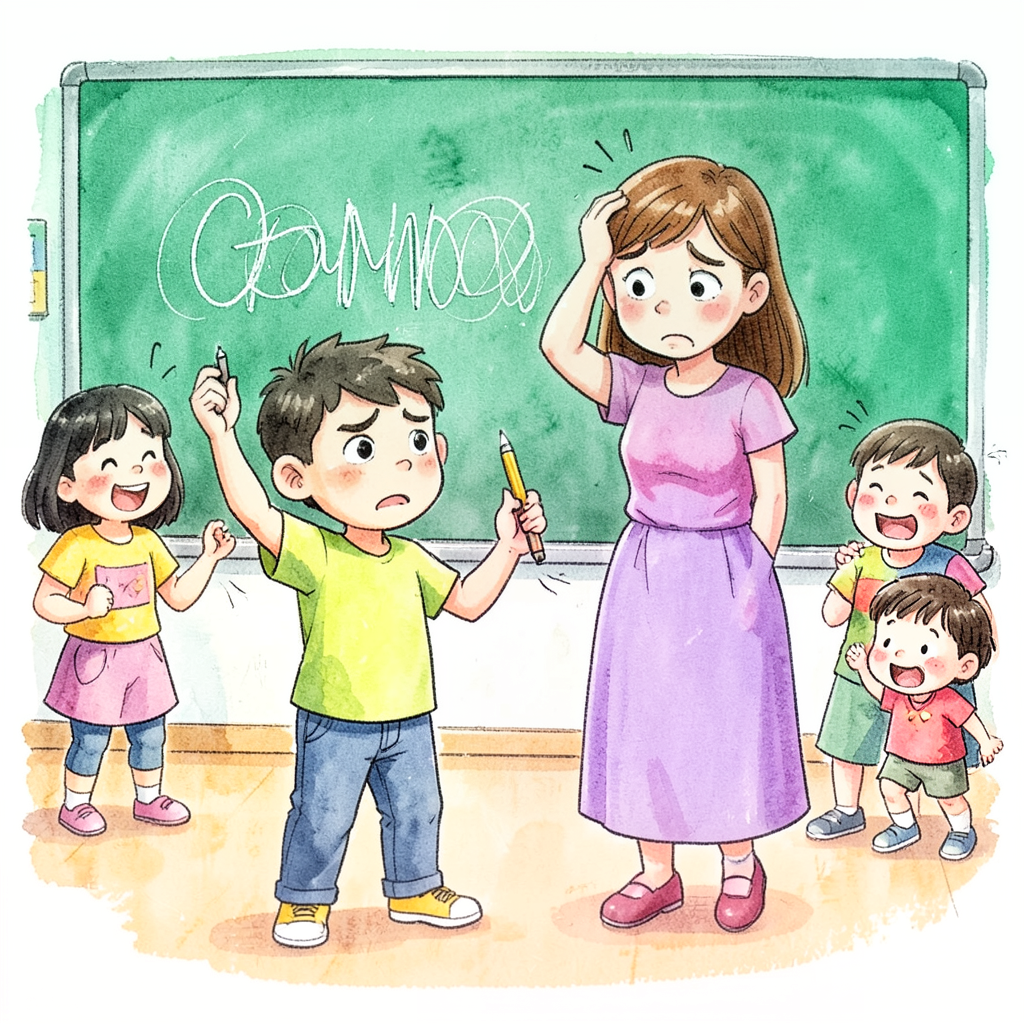
Nick Allen is the smartest kid in his class at making trouble — so when his strict fifth-grade teacher challenges him about the origin of words, he invents one: frindle. Just a word for pen. But the word takes on a life of its own, spreading through the school, the town, and eventually the country, in a charming and clever story about the power of one small idea.
Themes
LanguageSchoolCreativity
Best For
- Kids who love wordplay, puns, or making up their own slang
- Children who feel at odds with a rule-heavy classroom environment and need to see that creativity can be channeled productively
- Family read-alouds for ages 8 and up, especially as a bridge chapter book for newly independent readers
- Classroom read-alouds in grades 4-6 to launch a language arts or vocabulary unit
- Any child who asks "why do words mean what they mean?" and deserves a real, engaging answer
Why Parents Love This Book
Frindle is one of those rare books that makes kids genuinely excited about language. Andrew Clements takes a deceptively simple premise — a fifth-grader invents a new word for "pen" — and spins it into a story that feels both funny and surprisingly profound. Nick Allen is instantly likable: clever, mischievous, and just rebellious enough to be interesting without being a bad kid. The back-and-forth between Nick and his formidable teacher, Mrs. Granger, is pure gold. She is not the villain; she is a worthy opponent who secretly admires what Nick has done, and that nuance is what elevates the story above a simple kid-versus-teacher tale. The book also works as a genuine lesson in how language actually changes over time — dictionaries do not make words, people do. That idea lands with real weight and stays with readers long after they finish. For a book about a pen, it is remarkably hard to put down.
Reading Tips for Parents
Plan to read this one alongside a good dictionary — in print or online. When Nick researches how words enter the dictionary, your child will have real questions about etymology, and looking words up together makes those moments stick. Watch for the chapter where Mrs. Granger writes Nick a letter to be opened later; it is a natural pause point to ask your child what they think she wrote before reading on. If your child loves wordplay, keep a running list of made-up words throughout the book — it is a great extension activity. The novel is short (105 pages) and moves quickly, making it ideal for a read-together chapter-by-chapter over one to two weeks. The ending is genuinely moving, so give it room to breathe rather than rushing through the final chapters.
Awards & Recognition
- School Library Journal Best Books of the Year (1996)
- ILA/CBC Children's Choice Award winner
- New England Book Award for Children's Literature
Educational Value
This book helps children develop skills across multiple areas:
- Vocabulary and Language Arts: Explores how words originate, evolve, and enter dictionaries, giving children a practical introduction to etymology and linguistics.
- Creative Thinking: Nick's process of inventing and spreading a new word models lateral thinking and shows how one unconventional idea can have large-scale impact.
- Social-Emotional Learning: The story examines persistence in the face of adult resistance, and teaches that authority figures can be respected even when you disagree with them.
- Media Literacy: As the word 'frindle' spreads through news coverage, children see how media amplifies ideas — a timely lesson even for a book published in 1996.
- Civics and Society: The book demonstrates organically how culture is shaped by everyday people, not just institutions, opening conversation about how norms and language change over time.
Discussion Questions
Use these questions to spark conversation before, during, or after reading:
- Why do you think Nick's made-up word "frindle" caught on with other kids so quickly? What made it spread?
- Mrs. Granger seems strict at first, but by the end of the book do you think she was actually on Nick's side all along? Why or why not?
- Nick did not invent frindle to cause trouble — he was trying to answer a question his teacher asked. Have you ever had a small idea that turned into something much bigger than you expected?
- The book shows that ordinary people — not just dictionary editors — decide which words enter our language. Does that surprise you? Can you think of any words you use that might be new?
- If you could invent a word for something that does not have one yet, what would the word be and what would it mean?
Content Notes for Parents
There are no scary, violent, or mature elements in this book. The closest thing to conflict is school-based tension between a student and a strict teacher, which resolves warmly. Suitable for all readers in the 8-12 age range.
Frequently Asked Questions
What age is Frindle appropriate for?
Frindle is written for readers ages 8-12, with most children encountering it in grades 4 or 5. Confident readers as young as 7 can handle it, and it works well as a read-aloud for younger siblings in that range. The concepts around language and legacy may resonate more deeply with kids around 9-11 who have enough school experience to appreciate the student-teacher dynamic.
Is this book good for reluctant readers?
Yes, it is one of the better choices for kids who resist chapter books. The chapters are short, the humor is immediate, and Nick Allen is the kind of protagonist reluctant readers root for instinctively. At just over 100 pages, it does not feel like a commitment, and the fast pace means there are few slow stretches to lose a hesitant reader.
Does this book work well as a classroom or homeschool text?
Frindle is a natural fit for language arts curricula in grades 4-6. It teaches vocabulary, etymology, and the mechanics of how language evolves without ever feeling like a lesson. Teachers often use it to kick off dictionary skills units or persuasive writing assignments. At home, it pairs well with dictionary exploration and a family challenge to invent and use new words for a week.
Are there any content concerns I should know about?
None at all. The book has no violence, no scary content, and no mature themes. The conflict is gentle and school-based. It is one of the cleaner middle-grade novels available and appropriate for even sensitive younger readers in the 8+ range.
What books should we read next if we loved Frindle?
Andrew Clements wrote many books in a similar vein — The Landry News, The Report Card, and No Talking all feature smart kids navigating school systems in creative ways. For a broader interest in language and words, The Phantom Tollbooth by Norton Juster is a classic next step. Roald Dahl's The BFG also delights in invented language and would appeal to the same sensibility.