The Trumpet of the Swan
About This Book
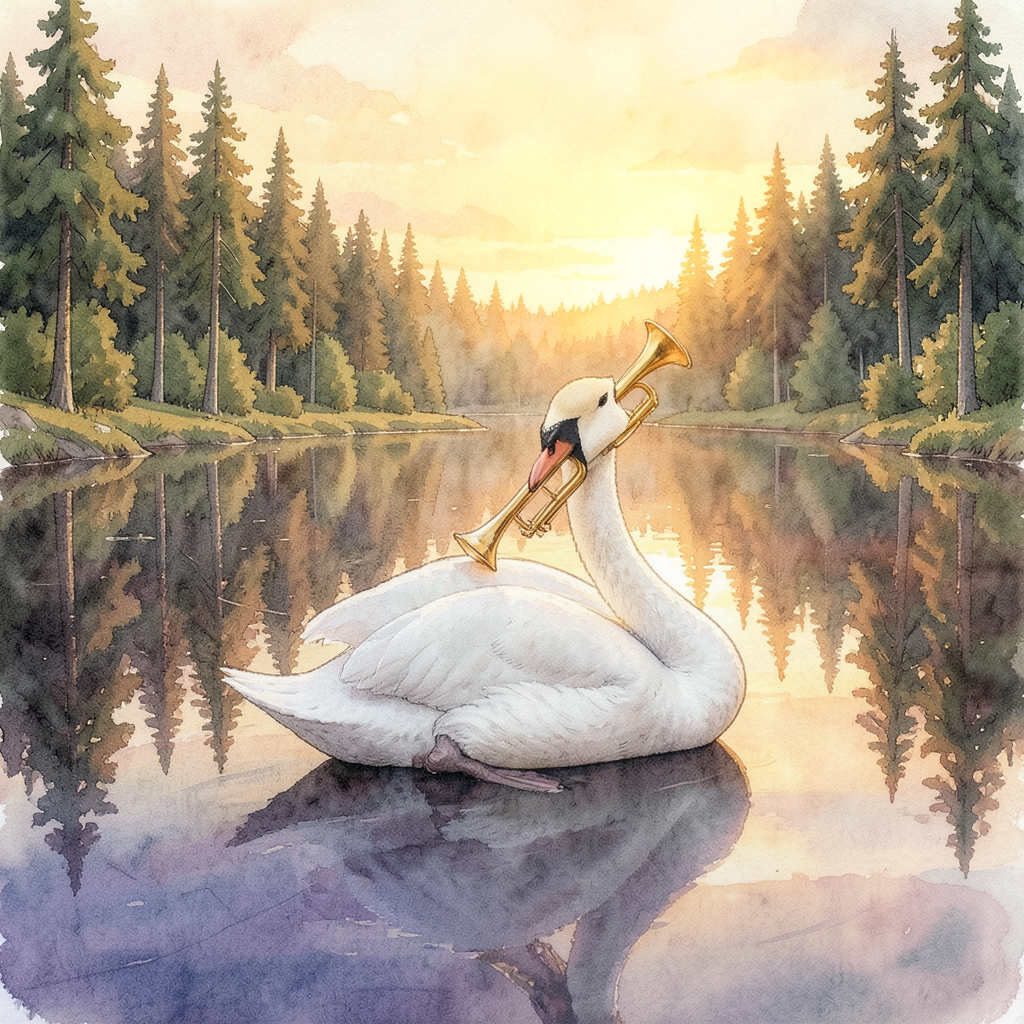
Louis is a trumpeter swan born without a voice, unable to trumpet like other swans. With the help of his human friend Sam and a stolen trumpet from his father, Louis learns to play beautiful music, earning fame and fortune — and eventually the love of a beautiful swan named Serena.
Themes
PerseveranceIdentityCreativity
Best For
- Children who are learning a musical instrument and need a story that validates the difficulty and joy of practice
- Kids who feel different from their peers or are navigating a challenge that sets them apart
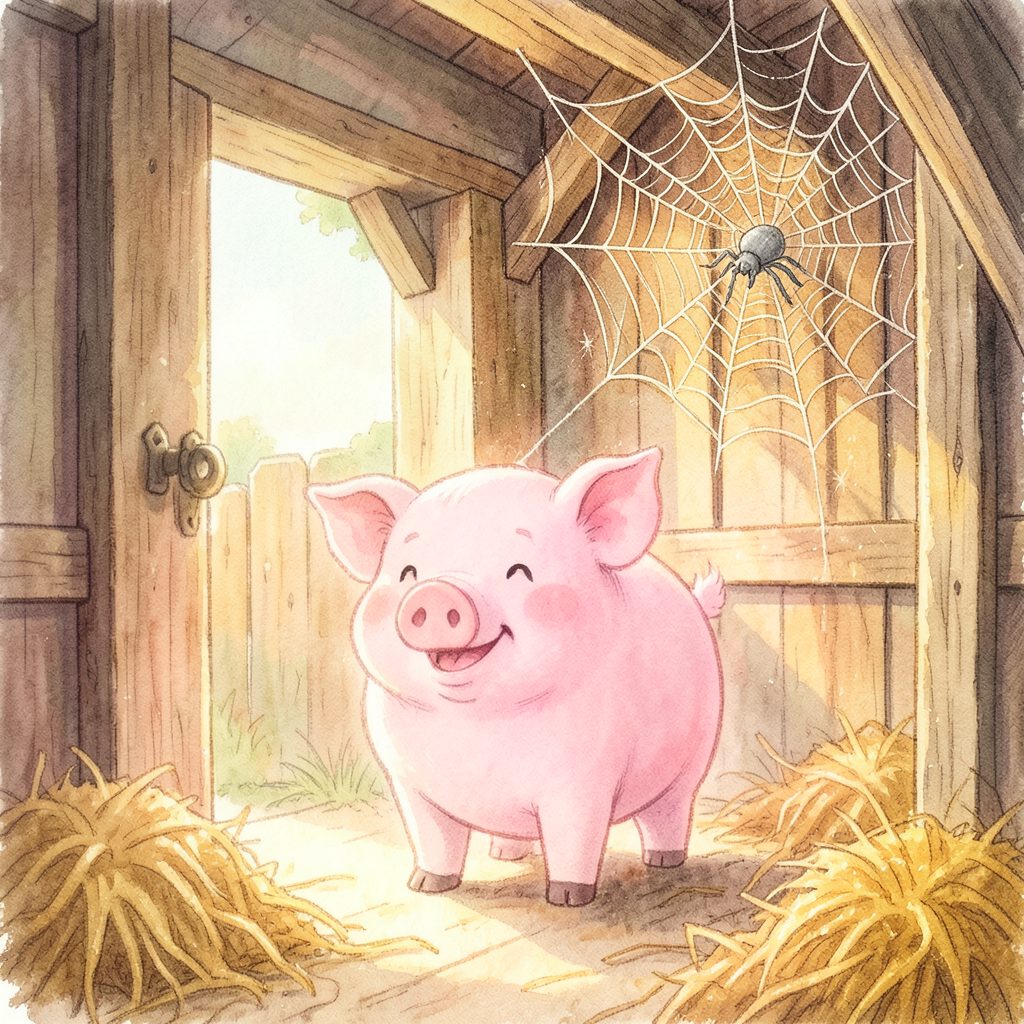
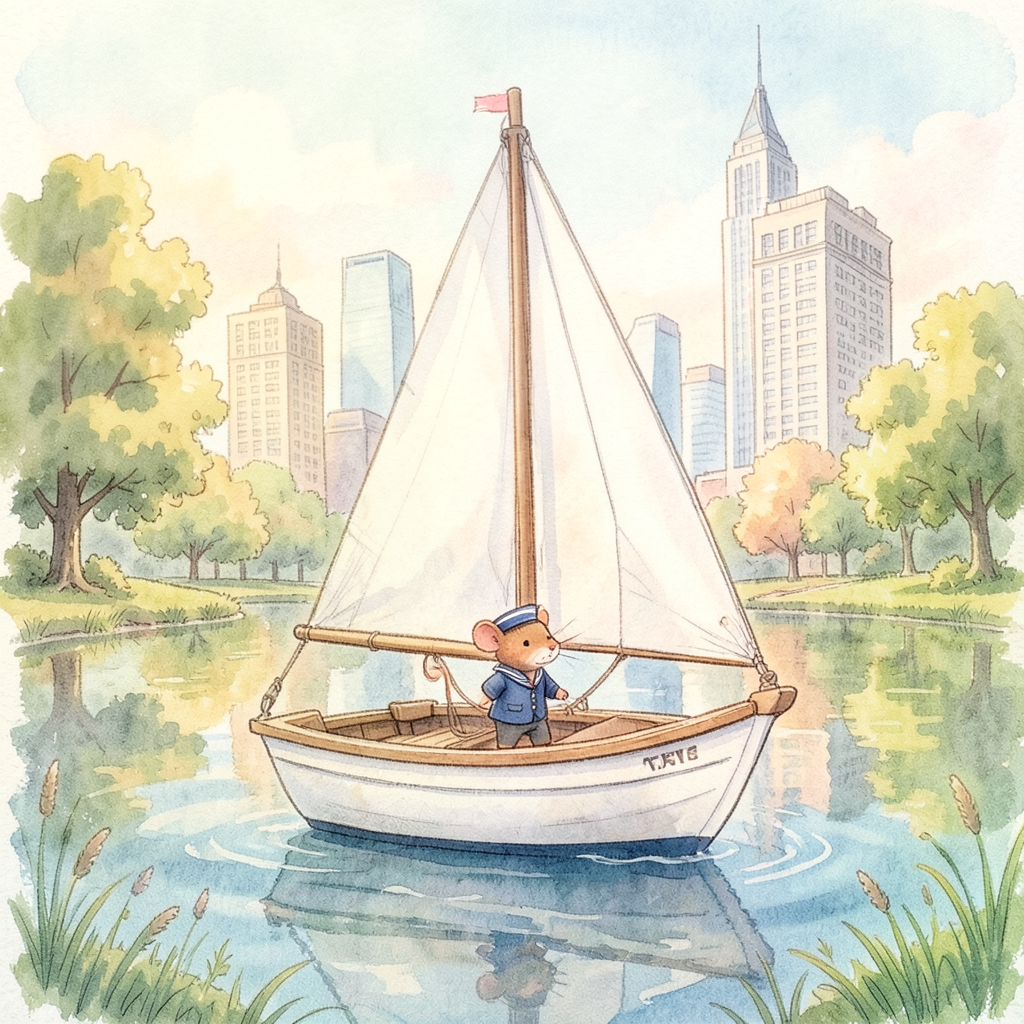
- Families who enjoyed Charlotte's Web or Stuart Little and want more E.B. White
- Read-aloud sessions for ages 6-8 with an adult, or independent reading for ages 8-12
- Nature-loving children who enjoy animals depicted with scientific accuracy and genuine personality
Why Parents Love This Book
E.B. White's final children's novel, published in 1970, stands as one of the most quietly moving stories in American children's literature. Louis the trumpeter swan is born voiceless in a world where song is everything — a profound disadvantage that White treats with neither pity nor false optimism. Instead, Louis works with fierce determination: he learns to read and write, carries a chalkboard to communicate, and eventually masters a stolen trumpet to earn his place in the world. What makes this book endure is its emotional honesty. Louis never stops longing for what comes naturally to other swans, but he channels that longing into something extraordinary. His father's guilt over the stolen trumpet — and his insistence on repaying the debt — gives the story a moral backbone that feels earned rather than preachy. Sam Beaver, Louis's loyal human friend, models thoughtful observation and kindness without being saccharine. Woven through the adventure is E.B. White's signature prose: unhurried, precise, and full of genuine wonder at the natural world.
Reading Tips for Parents
Read this one aloud alongside independent reading if your child is on the younger end of the 8-12 range — White's sentences reward slow reading and savoring. Pause at moments when Louis uses his chalkboard or plays his trumpet to ask how your child would communicate without words. The subplot about Louis's father stealing the trumpet is an ideal entry point for discussing honesty, guilt, and making amends — don't rush past it. If your child is a musician or is learning an instrument, the trumpet scenes will resonate especially deeply. The book's pacing is gentle and episodic, so reluctant readers who stall mid-chapter should be encouraged: each chapter works almost as a self-contained scene, making it easy to re-engage after a break.
Awards & Recognition
- New York Times Outstanding Book of the Year (1970)
- California Young Reader Medal
- Consistently listed among the American Library Association's notable classic chapter books for middle-grade readers
Educational Value
This book helps children develop skills across multiple areas:
- Vocabulary: White's prose introduces rich, precise naturalist language — words like 'cygnet,' 'marsh,' and 'bugling' — building both reading comprehension and a love of careful word choice.
- Social-emotional learning: Louis's journey models resilience and self-advocacy without minimizing genuine struggle, helping children understand that disability or difference does not define a person's worth or potential.
- Ethics and moral reasoning: The stolen trumpet subplot invites real discussion about right and wrong, guilt, restitution, and whether a good motive can justify a harmful action.
- Nature and science: White's detailed, affectionate depictions of trumpeter swan behavior, migration, and habitat give readers a foundation in wildlife biology and environmental appreciation.
- Creative arts: Louis's dedication to mastering the trumpet illustrates how consistent, purposeful practice leads to genuine skill — a lesson applicable to any instrument or craft children pursue.
- Reading and writing: Sam's journaling habit is modeled positively throughout the book, encouraging children to see writing as a tool for reflection and connection with the world around them.
Discussion Questions
Use these questions to spark conversation before, during, or after reading:
- Louis cannot speak like other swans, so he learns to read and write instead. How does finding a different way to communicate change what Louis is able to do?
- Louis's father steals a trumpet so Louis can have a voice. Do you think he made the right choice? What would you have done in his place?
- Sam Beaver writes in his journal every night and pays close attention to the animals around him. How do you think that habit helps him become a good friend to Louis?
- Louis eventually earns enough money to repay the debt for the stolen trumpet. Why do you think paying it back mattered so much to him and his father?
- If you were born without something important that everyone else seemed to have, what is one creative way you might find to work around it?
Content Notes for Parents
There are no scary, violent, or mature elements in this book. The one mild emotional moment is Louis's father's guilt over stealing, but it is handled gently and resolved constructively — this is one of the most wholesome chapter books in the canon.
Frequently Asked Questions
What age is this book really appropriate for?
The publisher targets ages 8-12, and that range holds up well. Confident readers at 7 can enjoy it, especially with a parent reading alongside. The themes of identity and restitution resonate most deeply with kids around 9-11 who have enough life experience to connect emotionally with Louis's situation.
Is this as good as Charlotte's Web?
It is a different kind of book. Charlotte's Web is tighter and more emotionally concentrated; The Trumpet of the Swan is more episodic and adventurous, with a broader scope. Many readers who loved Charlotte's Web find Louis's story equally rewarding, though the emotional climax is less intense. Both showcase White's distinctive prose and his deep respect for animal characters.
Are there any sad or upsetting parts I should prepare my child for?
No deaths of major characters, no frightening scenes. The most emotionally challenging moment is Louis's father wrestling with shame over stealing the trumpet. It is handled gently and leads to a positive resolution, making it a healthy rather than distressing emotional experience.
My child struggles with reading. Is this a good fit?
The episodic chapter structure helps — each chapter has a clear beginning and end, so a child can feel a sense of accomplishment without needing to hold a complex plot in their head across many sittings. Reading it aloud together is a great option; White's language is a pleasure to hear spoken. If your child is significantly below grade level, Stuart Little (slightly shorter and simpler) might be a better first E.B. White experience.
What books would you recommend after this one?
Children who loved this book tend to enjoy Watership Down (older readers, 10+), The Incredible Journey by Sheila Burnford, or Mrs. Frisby and the Rats of NIMH. For more E.B. White, Charlotte's Web and Stuart Little are natural companions. Animal-focused nature writing like Jean Craighead George's My Side of the Mountain also suits the same audience well.