The Hundred Dresses
About This Book
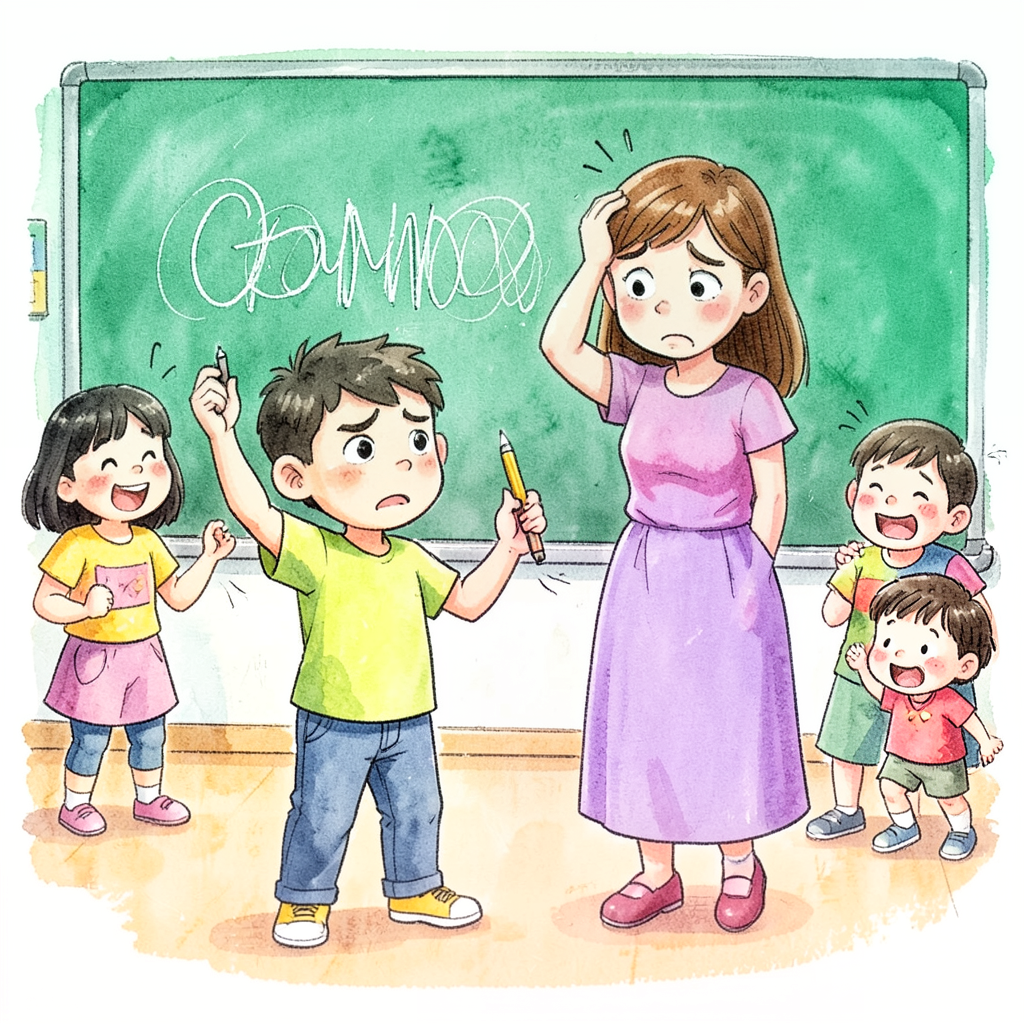
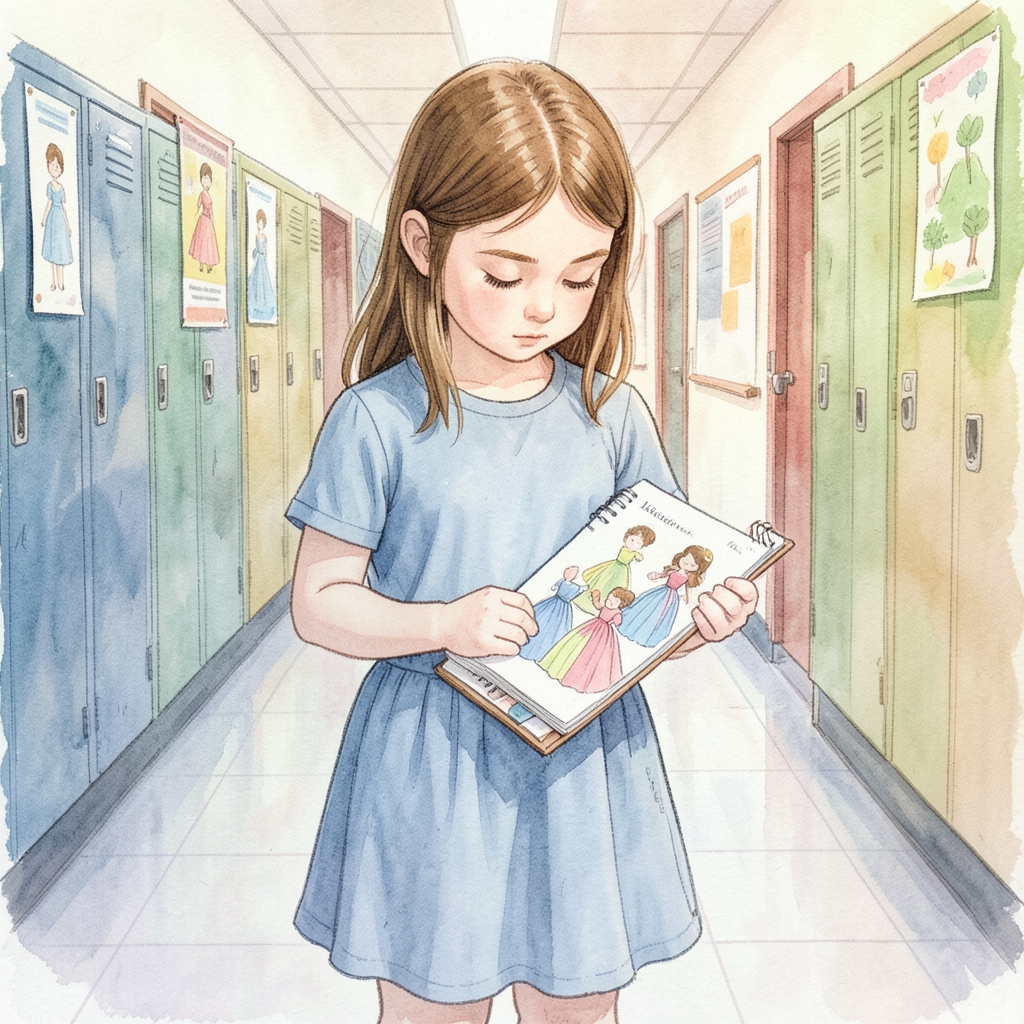
Wanda Petronski wears the same faded blue dress to school every day and claims to have a hundred dresses at home — all lined up in her closet. The other girls don't believe her, and Maddie knows the teasing is wrong but says nothing. Eleanor Estes' Newbery Honor novel is one of the earliest and most enduring books about bullying, bystanders, and the cost of silence.
Themes
BullyingBraveryRegret
Best For
- Children who have witnessed bullying and struggled to intervene — Maddie's experience gives them a framework to examine their own choices
- Classroom read-alouds paired with discussions on bystander behavior and school community values
- Readers ages 8-11 who are ready for emotionally complex stories but are not yet tackling full middle-grade novels
- Families with children navigating social exclusion or a new school environment
- Book clubs looking for a short, rich text that generates genuine disagreement and conversation
Why Parents Love This Book
First published in 1944, "The Hundred Dresses" remains one of the most quietly devastating books ever written for children — and one of the most necessary. Eleanor Estes tells her story not from the perspective of Wanda, the Polish immigrant girl who is teased daily for wearing the same faded blue dress while claiming to own a hundred beautiful ones, but from Maddie, the bystander who knows the cruelty is wrong and stays silent anyway. That narrative choice is what makes this book singular. Maddie's guilt — the slow, sick realization that silence is its own form of participation — is rendered with an honesty that respects young readers. Estes never lets Maddie off the hook, and she never lets the reader off either. The ending, when the truth about Wanda's hundred dresses is finally revealed, is both beautiful and heartbreaking. Eighty years on, this slim novel still asks the hardest question a children's book can ask: what will you do when it costs you something to be kind?
Reading Tips for Parents
Read this one alongside your child rather than assigning it independently — the emotional weight of Maddie's regret and the unresolved ending need a trusted adult nearby to process. Pause after Chapter 3, when the "dresses game" is in full swing, and ask your child how they think Wanda feels without yet revealing what happens. The book is short enough to read aloud in two or three sittings. Because Maddie is the protagonist rather than Wanda, the book is especially powerful for children who have witnessed bullying but not acted — use that identification as an opening. If your child has experienced being excluded or mocked for being different, preview the ending before reading together, as the resolution may bring up strong feelings. The 1944 setting is largely invisible to the story, so no historical framing is needed.
Awards & Recognition
- Newbery Honor Book, 1945
- ALA Notable Children's Book
Educational Value
This book helps children develop skills across multiple areas:
- Social-emotional learning: Develops nuanced understanding of bystander responsibility — the book shows that silence in the face of cruelty has real consequences, giving children language for a feeling they may already know.
- Vocabulary: Introduces words like "incredulous," "exquisite," and "stolidly" in context, stretching readers naturally without feeling didactic.
- Perspective-taking: Unusually for its era, the story centers not the victim but a bystander, training readers to examine their own complicity rather than simply empathize from a distance.
- Literary analysis: Provides an accessible early introduction to narrative point of view and dramatic irony — readers sense the truth about Wanda before Maddie does.
- Historical and cultural awareness: Wanda's Polish surname and her family's immigrant experience open conversations about belonging, otherness, and how newcomers have always been treated in American schools.
- Writing craft: Estes' spare, understated prose is an excellent model for middle-grade writers learning that restraint can be more powerful than melodrama.
Discussion Questions
Use these questions to spark conversation before, during, or after reading:
- Why do you think Wanda said she had a hundred dresses when she knew the other girls wouldn't believe her?
- Maddie knew the teasing was wrong but didn't say anything. Have you ever been in a situation where you stayed quiet when something felt unfair? What made it hard to speak up?
- At the end of the book, Maddie says she will never again stand by and say nothing. Do you think she means it? What might make that promise hard to keep?
- If you could send Wanda a letter after she moves away, what would you write?
- The hundred dresses turn out to be real in a way nobody expected. What did that reveal about Wanda that the other kids had missed?
Content Notes for Parents
The bullying in this book is realistic and sustained, and the resolution does not include reconciliation or apology — Wanda moves away before anyone can make amends, and Maddie must live with that. There is no violence, no frightening content, and no mature themes, but the emotional weight of unresolved guilt may be difficult for sensitive readers, particularly those who have experienced exclusion themselves.
Frequently Asked Questions
What age is this book really appropriate for?
The reading level suits ages 8 to 11, but emotional readiness matters more than decoding skill here. The book's central theme — living with regret over a failure to act — is most meaningful for children who have enough social experience to recognize the dynamic Maddie is in. Most children in grades 3 through 5 are in that window. Sensitive readers on the younger end may find the unresolved ending upsetting; it is worth previewing with them first.
Is this book too sad for kids? Does it have a happy ending?
The ending is bittersweet rather than happy. Wanda is gone, and Maddie never gets to apologize — she has to carry that. Estes does offer a gesture of warmth from Wanda in the final pages, but the book deliberately refuses a tidy resolution. That honesty is exactly what makes it valuable, though parents should be aware that some children (especially those who are empathetic or have experienced loss) will find it genuinely sad and need space to talk about it.
How does this book handle bullying — is it preachy?
It is the opposite of preachy, which is part of why it has lasted eighty years. Estes never has a character deliver a lesson or a teacher swoop in to correct things. The moral weight falls entirely on Maddie's interior experience of guilt and regret, which makes it feel true rather than instructional. Children tend to respond to that honesty precisely because they are not being told what to think.
Are there other books like this one I could pair it with?
For similar themes of bystander guilt and social exclusion, "Wonder" by R.J. Palacio is a natural companion at a slightly higher emotional and reading level. "Each Little Bird That Sings" by Deborah Wiles and "The One and Only Ivan" take different approaches to empathy and witnessing. For readers who want to stay with Estes, she wrote a loosely connected series beginning with "The Moffats" that shares the same warm, careful prose style.
Is this book appropriate for classroom use?
It is one of the most taught books in American elementary schools for good reason — it is short enough to complete in a week, rich enough to sustain genuine discussion, and raises questions without providing easy answers. Teachers often pair it with lessons on community, identity, and bystander intervention. The 1944 setting requires minimal contextualization and does not distract from the story's contemporary relevance.