Gathering Blue
About This Book
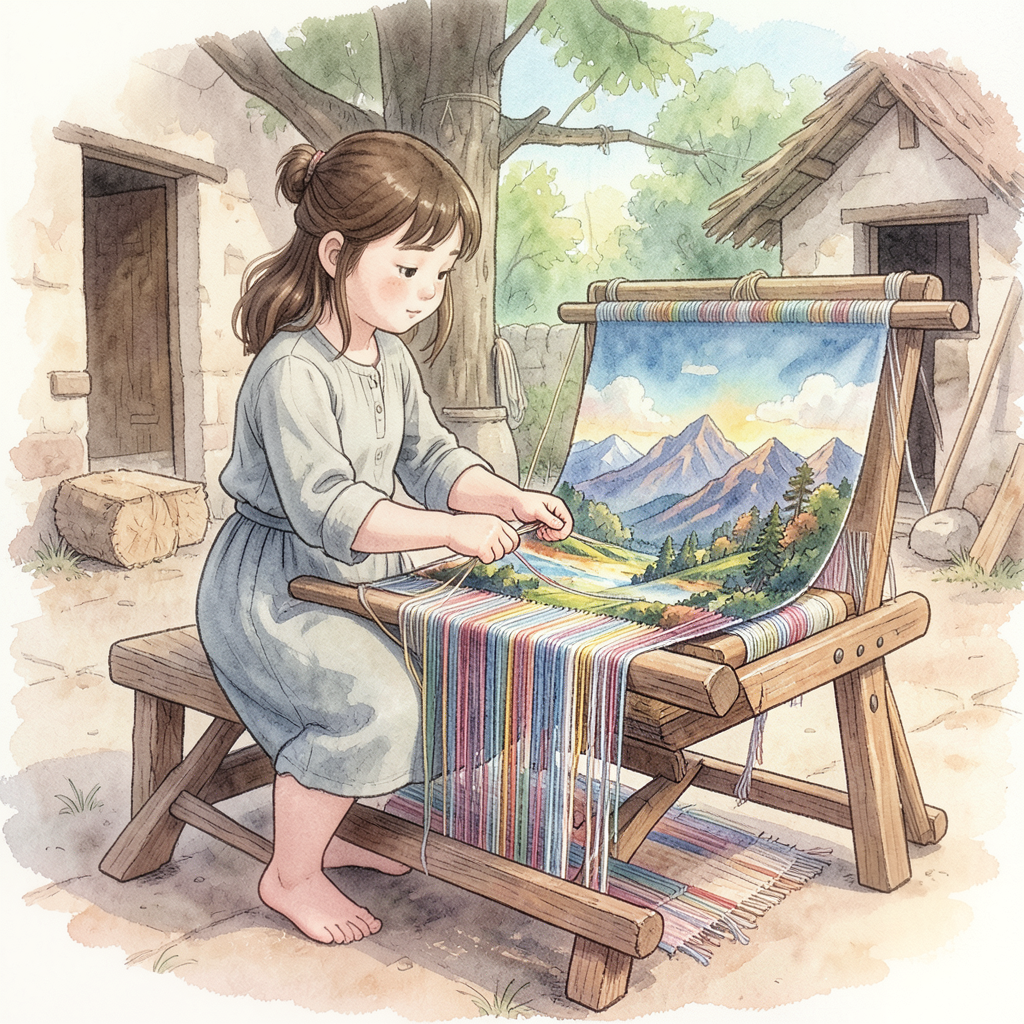
Kira has a damaged leg and lives in a brutal, primitive village where the weak are left to die. But she has a rare gift — she can thread and weave extraordinary works of art — and the Council of Guardians decides they need her. A companion to The Giver, Gathering Blue asks who controls beauty, who controls history, and what a person owes to the truth.
Themes
DystopiaArtFreedom
Best For
- Readers who loved The Giver and want to stay in Lois Lowry's dystopian world
- Children who identify as artists, makers, or crafters and want to see creativity treated as serious and powerful
- Classroom read-alouds for grades 5-7 studying dystopia, power, or social justice
- Readers who prefer character-driven, quieter dystopias over action-heavy adventure
- Middle schoolers beginning to ask questions about authority, history, and who gets to tell the truth
Why Parents Love This Book
Gathering Blue stands apart as a dystopian novel that centers not on rebellion or combat, but on the quiet, radical act of making art. Lois Lowry builds a primitive, brutal society around Kira, a girl with a disabled leg who survives only because of her extraordinary ability to weave and dye thread. The story asks a question that feels startlingly modern: who gets to control beauty, and what happens when those in power use art to write their own version of history? Lowry does not simplify her world into easy heroes and villains. The Council of Guardians is menacing, but their menace is bureaucratic and cold rather than cartoonishly evil, which makes the danger feel real. Kira herself is one of children's literature's most quietly determined protagonists — she reasons, she observes, and she chooses. For young readers who love to make things, who feel different, or who are beginning to question authority, this book offers language for something they may already sense but cannot yet name.
Reading Tips for Parents
This book pairs beautifully with hands-on art activities. Before or after reading, try natural dyeing with onion skins or berries to make Kira's craft feel tangible. The story's pacing is deliberate, so readers who prefer action-heavy plots may need encouragement through the first few chapters — reassure them the tension builds steadily. Several scenes involve death, abandonment of the disabled, and implied child abuse; these are handled with restraint but are worth naming before you hand the book to a sensitive reader. Gathering Blue works especially well read alongside The Giver — the two books share a world and deepen each other considerably. Plan for conversation: Kira's situation raises natural questions about fairness, disability, and who gets to tell a community's story, and most children ages 10 and up will have strong opinions.
Awards & Recognition
- ALA Notable Children's Book (2001)
- Named to multiple state reading award lists including the Colorado Blue Spruce Award master list
Educational Value
This book helps children develop skills across multiple areas:
- Vocabulary: Rich, precise language — words like "cott," "guardian," and descriptions of natural dye sources give readers practice inferring meaning from context in a fully built world.
- Social-emotional learning: Kira's experience living with a disability in a society that devalues her builds empathy and invites reflection on how communities treat their most vulnerable members.
- Critical thinking: The novel asks readers to question the stories institutions tell and to notice when history is being shaped to serve those in power.
- Art and craft: Weaving, thread, and natural dyeing are central to the plot, connecting literary reading to textile arts and the history of craft as cultural memory.
- Civics and ethics: The Council of Guardians introduces concepts of centralized authority, propaganda, and the relationship between art and political control in an age-appropriate frame.
- Companion reading skills: As a companion novel to The Giver, Gathering Blue develops the habit of reading across a series and noticing how the same author builds a larger, connected world.
Discussion Questions
Use these questions to spark conversation before, during, or after reading:
- Why does the Council of Guardians decide to protect Kira instead of following the village's usual rules? What do they want from her?
- Kira's weaving shows the history of her people. Why might leaders want to control what that history looks like? Can you think of any real-world examples?
- If you had a talent like Kira's, and someone powerful offered to protect you in exchange for using that talent their way, what would you do?
- Thomas and Kira both feel different from the people around them. How does having each other change what they are able to do?
- What do you think Kira will do next? Do you think she can change anything about her village?
Content Notes for Parents
The village practices abandonment of disabled or weak individuals, and there are references to parental death and implied violence that some sensitive readers ages 8-9 may find upsetting. There is no graphic content, but the societal cruelty is portrayed honestly and without softening.
Frequently Asked Questions
Do I need to read The Giver first?
No — Gathering Blue stands completely on its own and is set in a different community from The Giver. However, readers who have already read The Giver will pick up on connections that add depth. If your child has not read The Giver, this book works perfectly well as a starting point.
Is this too dark or scary for a sensitive 9-year-old?
It depends on the child. The book deals honestly with disability discrimination, abandonment, and the death of Kira's mother. There is no graphic violence, but the cruelty of the village is not softened. Many sensitive readers handle it well because Kira herself is calm and resilient, but preview the first few chapters if you have concerns.
What age range is this really best for?
Most readers engage most fully with this book between ages 10 and 13. Confident readers at age 9 can handle it, and the story remains compelling for teens who encounter it later. The themes of power and art resonate more deeply as children move into middle school.
Are there other books like this one?
Lois Lowry's own Messenger and Son complete the companion quartet and are natural next reads. Beyond Lowry, try The House of the Scorpion by Nancy Farmer for another quiet, character-driven dystopia, or Esperanza Rising by Pam Munoz Ryan for a similarly determined protagonist navigating an unjust world.
Can this be used in a classroom or book club?
Yes, and it works especially well in that setting. The questions it raises about who controls history and what art is for generate rich discussion. It pairs naturally with social studies units on propaganda, disability rights history, or the role of artisans in ancient societies.