The Giver
About This Book
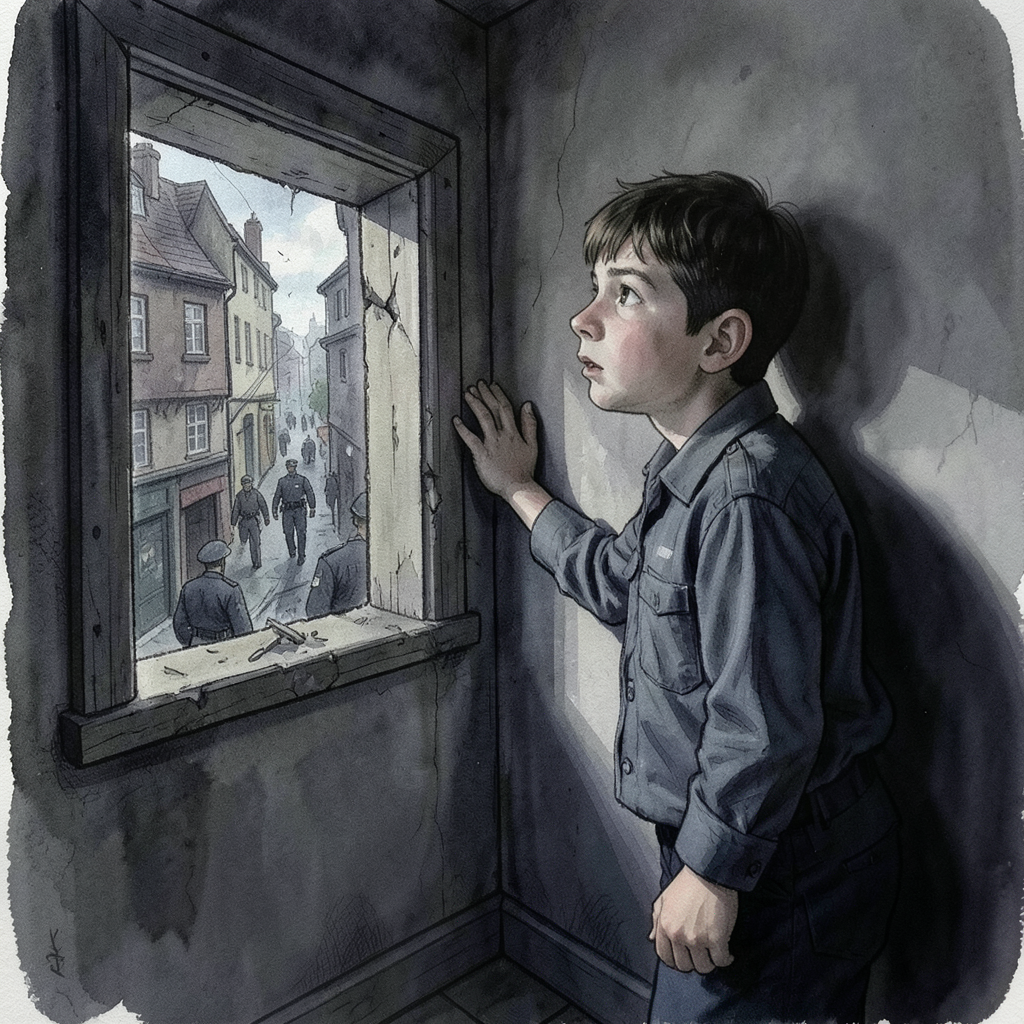
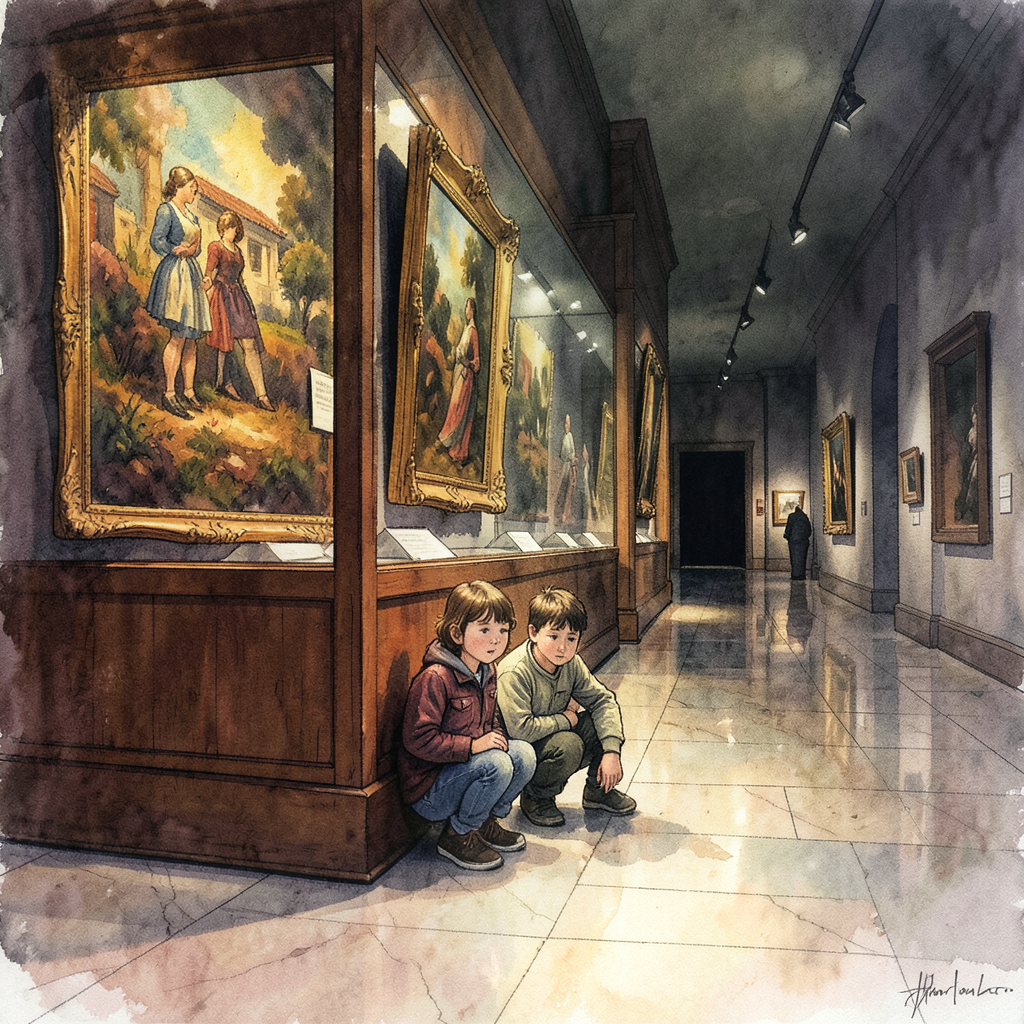
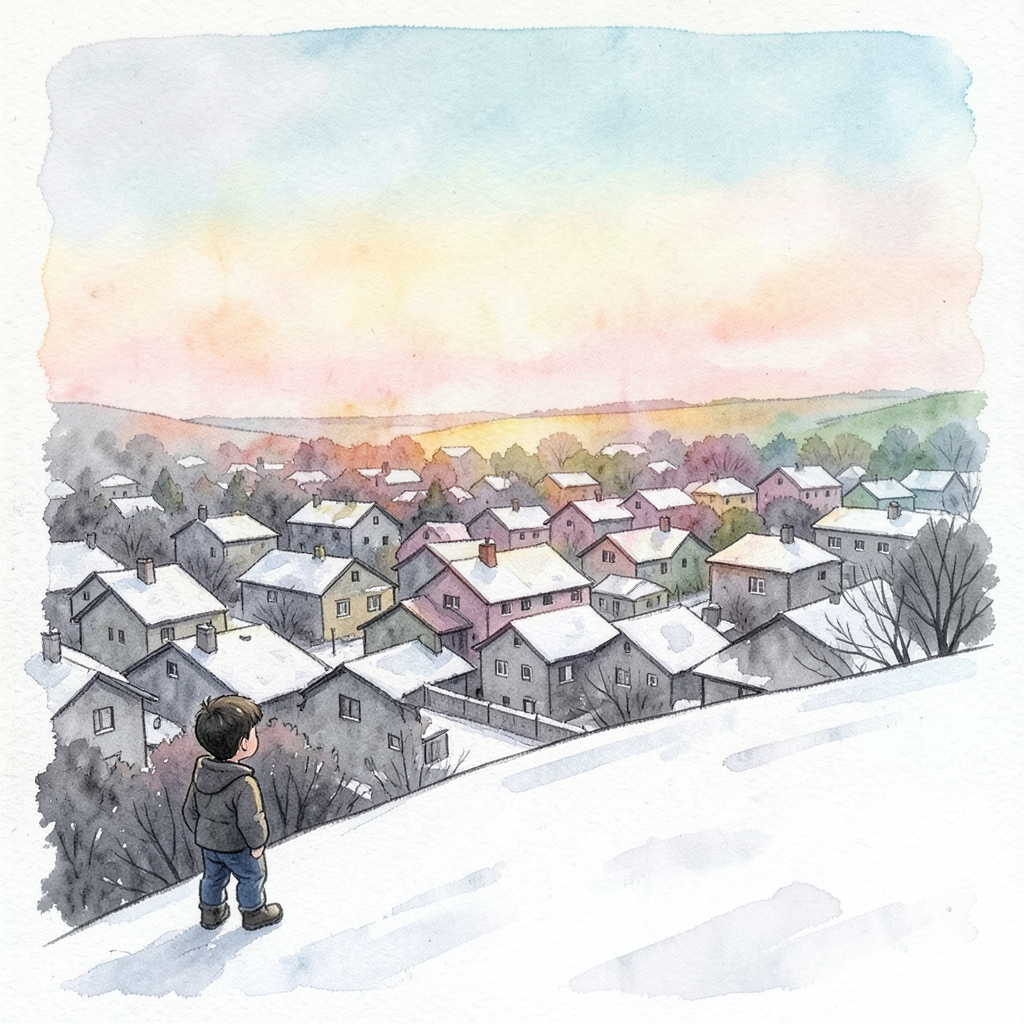
In a seemingly perfect society without pain, suffering, or conflict, twelve-year-old Jonas is assigned the role of Receiver of Memory. As the old Giver transmits memories of the world as it once was — with color, music, love, and also war and suffering — Jonas realizes the terrible price of his community's sameness.
Themes
FreedomIdentityCourage
Best For
- Children who are ready to move beyond plot-driven adventure into books that ask bigger questions about society and identity
- Family read-alouds where parents and children can pause and discuss chapters together
- Classroom use in grades 5–7 as an introduction to dystopian literature and ethical debate
- Strong readers ages 10–13 who feel a sense of being different from peers and are searching for stories that validate complex feelings
- Book clubs seeking titles that generate genuine disagreement and rich discussion
Why Parents Love This Book
The Giver is one of those rare novels that stays with readers for decades after they first encounter it. Lois Lowry builds a world so carefully constructed in its orderliness that readers feel the creeping unease long before Jonas does. The genius of the book is that it begins as a utopia and slowly reveals itself as a dystopia through a child's gradually opening eyes. Jonas does not rebel dramatically or heroically — he simply begins to see, and that quiet awakening is profoundly moving. The relationship between Jonas and the Giver is one of the most tender mentor-student bonds in children's literature. Lowry never condescends to her young readers; she trusts them to sit with moral complexity and ambiguity, including an ending that refuses to tie everything up neatly. For children on the cusp of adolescence, this book arrives at exactly the right moment to ask the questions that will define who they become: What is freedom worth? What do we lose when we eliminate pain?
Reading Tips for Parents
Before starting, tell your child this is a book you will want to talk about afterward — it works best as a shared experience. Read alongside them if possible, or at least check in after each night's reading. The pacing is slow and deliberate early on, which mirrors Jonas's community: reassure children who find the opening chapters quiet that the tension builds significantly. When your child reaches the chapter involving release, be prepared to pause and talk through it together — it is one of the most impactful and potentially upsetting moments in middle grade fiction. The ambiguous ending often frustrates younger readers; rather than explaining it away, use it as an opportunity to discuss how stories can mean different things. Many families find this book opens surprisingly rich conversations about fairness, choice, and what we give up for safety.
Awards & Recognition
- Newbery Medal, 1994
- ALA Notable Children's Book
- New York Times Bestseller
Educational Value
This book helps children develop skills across multiple areas:
- Vocabulary: Rich and precise language throughout — words like "apprehensive," "meticulous," and "luminous" appear in meaningful context, building academic vocabulary naturally.
- Social-emotional: Explores empathy, loss, and moral courage in ways that help children articulate and examine their own values around fairness and conformity.
- Critical Thinking: The ambiguous ending and ethical dilemmas (Is it right to protect people from pain? Is safety worth freedom?) require readers to form and defend their own positions.
- Civics and Society: Introduces concepts of authoritarianism, collective decision-making, and individual rights in an age-appropriate narrative frame.
- Literary Analysis: Demonstrates how authors use foreshadowing, irony, and controlled pacing to build suspense — ideal for discussing craft in language arts class.
- Ethics: The "release" plot thread raises genuine moral questions about euthanasia and who gets to make life-and-death decisions, inviting serious ethical reasoning.
Discussion Questions
Use these questions to spark conversation before, during, or after reading:
- Why do you think the people in Jonas's community chose to give up things like color and music? Do you think it was worth the trade?
- Jonas's assignment as Receiver of Memory sets him apart from everyone around him. Have you ever felt like you understood something that others around you didn't — how did that feel?
- The Giver tells Jonas that real love is different from the "precision of language" his community uses. What do you think love actually means, and why might Jonas's community be afraid of it?
- The ending of the book is left open to interpretation. What do you think really happens to Jonas and Gabriel? What do you hope happens?
- If you could give the community one memory from your own life, what would you choose and why?
Content Notes for Parents
This book contains a scene in which it is revealed that "release" means lethal injection, including the death of an infant, which many children find deeply upsetting; parents should be prepared to discuss it. There are also descriptions of war memories and references to the taking of life, making it most appropriate for emotionally mature readers aged 10 and up despite its 8–12 age label.
Frequently Asked Questions
What age is The Giver really appropriate for?
The book is commonly assigned in grades 5–7, making 10–13 the sweet spot for most readers. Technically capable 8–9 year olds may read the words without being emotionally ready for the content, particularly the revelation about what 'release' means. We recommend it for readers 10 and up, or younger children who are emotionally mature and will have a parent reading alongside them.
Is the content too dark or scary for middle schoolers?
The book does contain genuinely disturbing content, including the death of an infant and memories of war. However, Lowry handles these elements with restraint and purpose rather than gratuitousness. Most children in the 10–13 range can handle the content, especially with a parent available to talk through the heavier scenes. The darkness is in service of the book's moral message, not shock value.
My child is confused by the ending — what actually happens?
Lowry deliberately leaves the ending ambiguous, and there is no single correct interpretation. Some readers believe Jonas and Gabriel find a real community and survive; others read the final pages as Jonas's dying dream. Lowry has said in interviews that she intends readers to bring their own hope or doubt to the ending. Rather than resolving it for your child, ask them what they want to believe happened and why — it is one of the book's most valuable conversations.
Are there similar books you would recommend after The Giver?
The Giver is the first in a loosely connected quartet — Gathering Blue, Messenger, and Son follow characters in related communities and many readers enjoy continuing that world. For a similar dystopian feel, Unwind by Neal Shusterman and The House of the Scorpion by Nancy Farmer are strong next reads for the 12+ crowd. Readers drawn to the quiet, philosophical tone might also enjoy A Wrinkle in Time by Madeleine L'Engle.
Is this book appropriate for a family read-aloud?
The Giver is an excellent family read-aloud choice, particularly for families with children ages 10 and up. The chapters are short and end at natural discussion points. Reading it aloud together allows parents to gauge their child's reaction in real time and naturally pause for conversation when the story raises difficult moments. Many families report it sparking some of the best conversations they have had about values, society, and growing up.