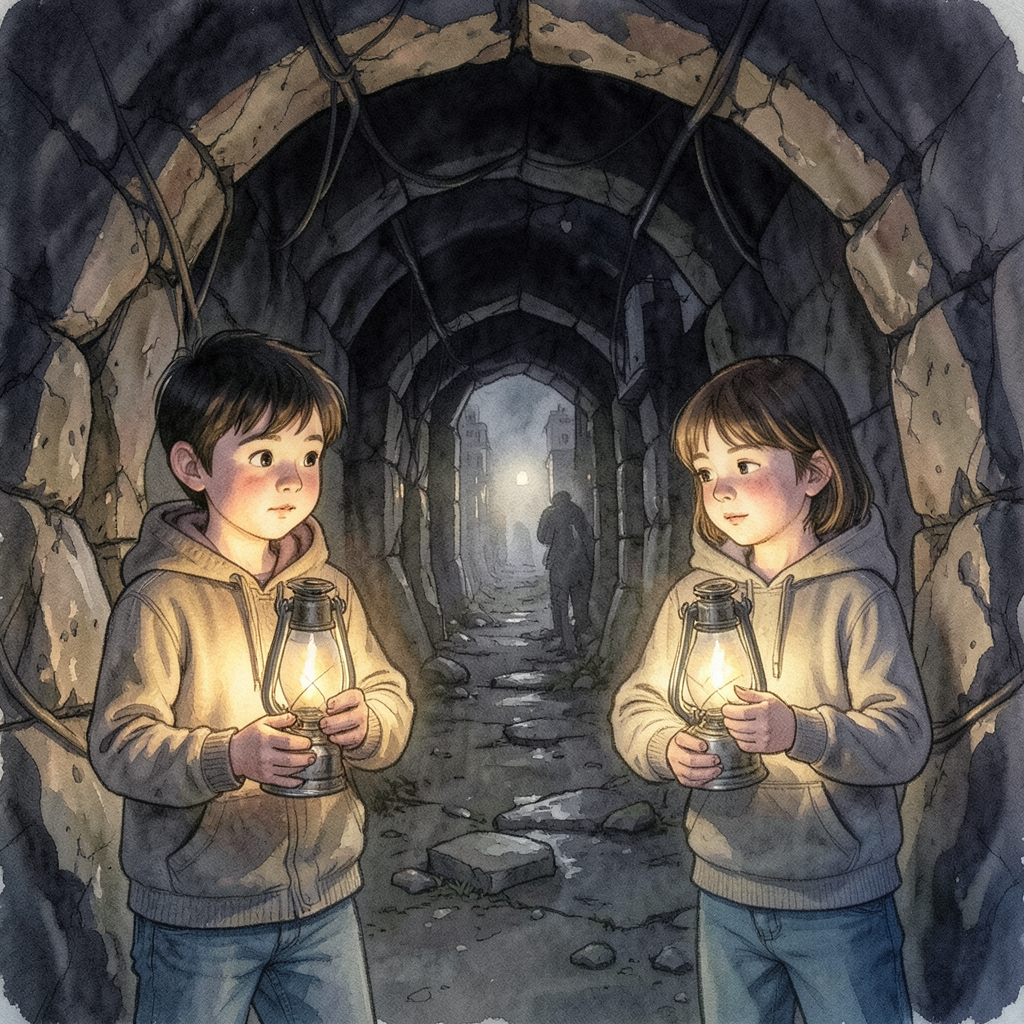
The City of Ember
About This Book
Ember is the only city left in the world — its generator keeping the lights on against the eternal darkness outside — and the instructions for leaving it have been lost for generations. When twelve-year-old Lina finds a fragment of the forgotten message, she and her friend Doon begin to understand that their city is running out of time. A propulsive, beautifully imagined dystopian adventure.
Themes
AdventureDystopiaProblem-Solving
Best For
- Children who have outgrown early chapter books and need a longer novel with short, fast-moving chapters to stay hooked
- Kids who enjoyed The Giver and are ready for another quiet, thought-provoking dystopia
- Family road trips or bedtime read-alouds where a cliffhanger chapter structure keeps everyone coming back
- Classroom units on citizenship, systems thinking, or environmental stewardship
- Reluctant readers drawn to mysteries and puzzles rather than action-heavy plots
Why Parents Love This Book
The City of Ember works because it trusts its young readers completely. Jeanne DuPrau builds a world that feels both alien and achingly familiar — a city of flickering lights, dwindling supplies, and citizens who have stopped asking why things are the way they are. Lina and Doon are not chosen heroes with special powers; they are curious, stubborn, and occasionally wrong, which makes them feel real. The mystery at the heart of the story — what happened to the instructions meant to save Ember — is genuinely puzzling in a way that pulls readers forward. There is urgency without manipulation: the city's generator sputtering and the storerooms emptying create tension that children can grasp immediately. Published in 2003, the book launched an enduring series and introduced many middle-grade readers to dystopian fiction before the genre became a cultural phenomenon. It remains one of the cleanest, most accessible entry points into speculative fiction for ages 8 and up.
Reading Tips for Parents
This is a strong read-aloud choice for ages 8 to 10, but confident readers will race through it independently by age 9 or 10. The world-building is layered, so the first few chapters reward slower reading — consider pausing after chapter two to sketch Ember's layout together, which helps children hold the geography in their minds. The book opens several natural conversations about resource scarcity and civic responsibility without lecturing. If your child asks what is outside Ember, resist the urge to tell them; the not-knowing is a large part of the pleasure. The sequel, The People of Sparks, picks up immediately where this one ends, so having it on hand avoids frustration when the final page turns.
Awards & Recognition
- New York Times Bestseller
- Publishers Weekly Best Book of the Year (2003)
- Book Sense Children's Pick
Educational Value
This book helps children develop skills across multiple areas:
- Vocabulary: The novel introduces specialized invented terms (assignments, Pipeworks, the Gathering Hall) alongside rich descriptive language, building context-clue skills as readers decode an unfamiliar world.
- Critical Thinking: Lina and Doon must piece together a fragmented message and follow a chain of deductive reasoning, modeling problem-solving and inference for young readers.
- Science: The story naturally raises questions about electricity generation, resource depletion, and what makes a sustainable civilization — ideal launch points for related science discussions.
- Social-emotional: Characters grapple with institutional corruption, apathy, and the courage required to challenge authority, helping children think about civic responsibility.
- History and Systems Thinking: The premise of a society that has forgotten its own origins invites reflection on how knowledge is preserved and lost across generations.
- Reading Stamina: At roughly 270 pages with short, propulsive chapters, the book builds confidence and endurance in readers making the transition to longer novels.
Discussion Questions
Use these questions to spark conversation before, during, or after reading:
- Why do you think the people of Ember stopped questioning where their food and supplies come from? Do you ever take something for granted the way they do?
- Lina and Doon disagree about what to do with the clues they find. Who do you think made the better decisions, and why?
- The Builders left instructions for the people of Ember to follow much later. Do you think that was a good plan? What would you have done differently?
- If you lived in Ember and the lights kept going out for longer and longer stretches, what would you do?
- What does this story suggest about what happens when leaders keep secrets from the people they are supposed to protect?
Content Notes for Parents
There are scenes of genuine peril, including a dangerous descent through flooded underground passages and a corrupt mayor who hoards resources while citizens go without. None of the content is graphic, but sensitive readers around age 8 may find the sense of creeping doom and the darkness-as-literal-setting mildly unsettling.
Frequently Asked Questions
What age is The City of Ember really right for?
Most children read it comfortably between ages 9 and 12, though strong readers at 8 handle it well. The concepts — institutional corruption, resource scarcity, existential risk — are sophisticated, but DuPrau presents them through a plot focused on two relatable kids, so younger readers absorb them naturally without feeling lectured.
Is it too scary for a sensitive 9-year-old?
It is tense rather than frightening. The main sources of dread are the city's flickering lights and a flooded underground tunnel sequence. There are no monsters or graphic violence. Most 9-year-olds who are comfortable with mild peril in chapter books will do fine, though parents of highly sensitive children may want to read the first two chapters together to gauge comfort level.
Do we need to read the whole series, or does this book stand alone?
The City of Ember ends at a clear stopping point and delivers a satisfying resolution to its central mystery, so it works as a standalone. That said, the ending opens naturally into The People of Sparks, and many children want to continue immediately. The series has four books total, though the first two are the most closely linked.
How does this compare to The Giver for middle-grade dystopia?
The two books are frequently paired and share a similar mood — quiet, unsettling, built on a society that has suppressed its own history. The Giver is shorter, more emotionally intense, and more ambiguous in its ending. The City of Ember is longer, more plot-driven, and more hopeful in tone. Children who found The Giver too sad often respond better to Ember, while fans of Ember who want something more philosophical enjoy The Giver next.
Is there anything in the book that might prompt difficult conversations?
The mayor actively hoards food and supplies while ordinary citizens go without, which may prompt questions about fairness, authority, and what to do when leaders behave badly. These are productive conversations for this age group, and the book handles them without cynicism — Lina and Doon's response is action and truth-telling rather than despair.