Among the Hidden
About This Book
In a future where families are allowed only two children, Luke has spent his entire life hidden — a third child who does not legally exist. When he glimpses another face in a neighbour's window, he risks everything to find out he is not alone. The first book in the Shadow Children series is a tense, thought-provoking introduction to dystopian fiction for middle-grade readers.
Themes
DystopiaFreedomIdentity
Best For
- Confident readers ages 9-12 who are ready for their first dystopian novel
- Classroom or book club use where discussion of government and rights is on the curriculum
- Kids who loved The Giver and are looking for a similar thought-provoking read
- Reluctant readers who engage best with fast-paced, high-stakes plots
- Families who want a shared read that opens conversations about fairness and identity
Why Parents Love This Book
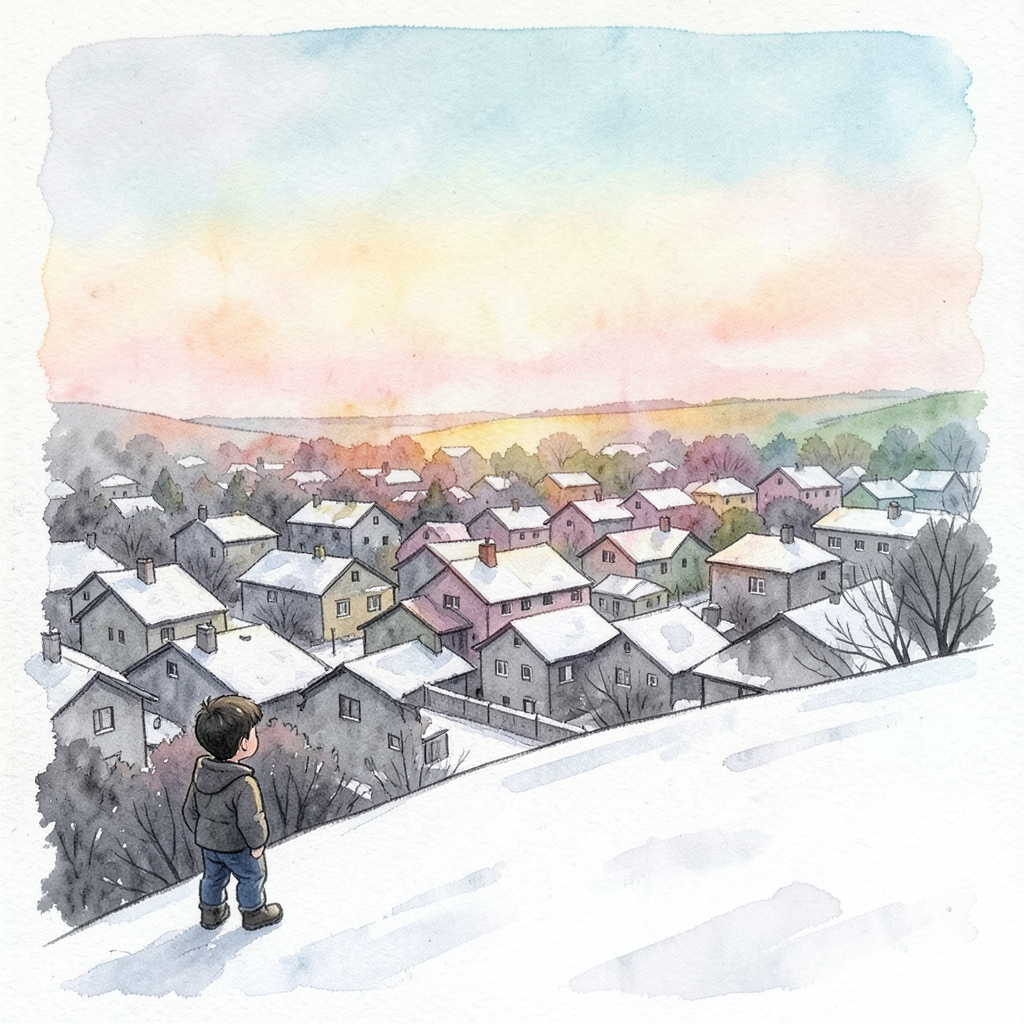
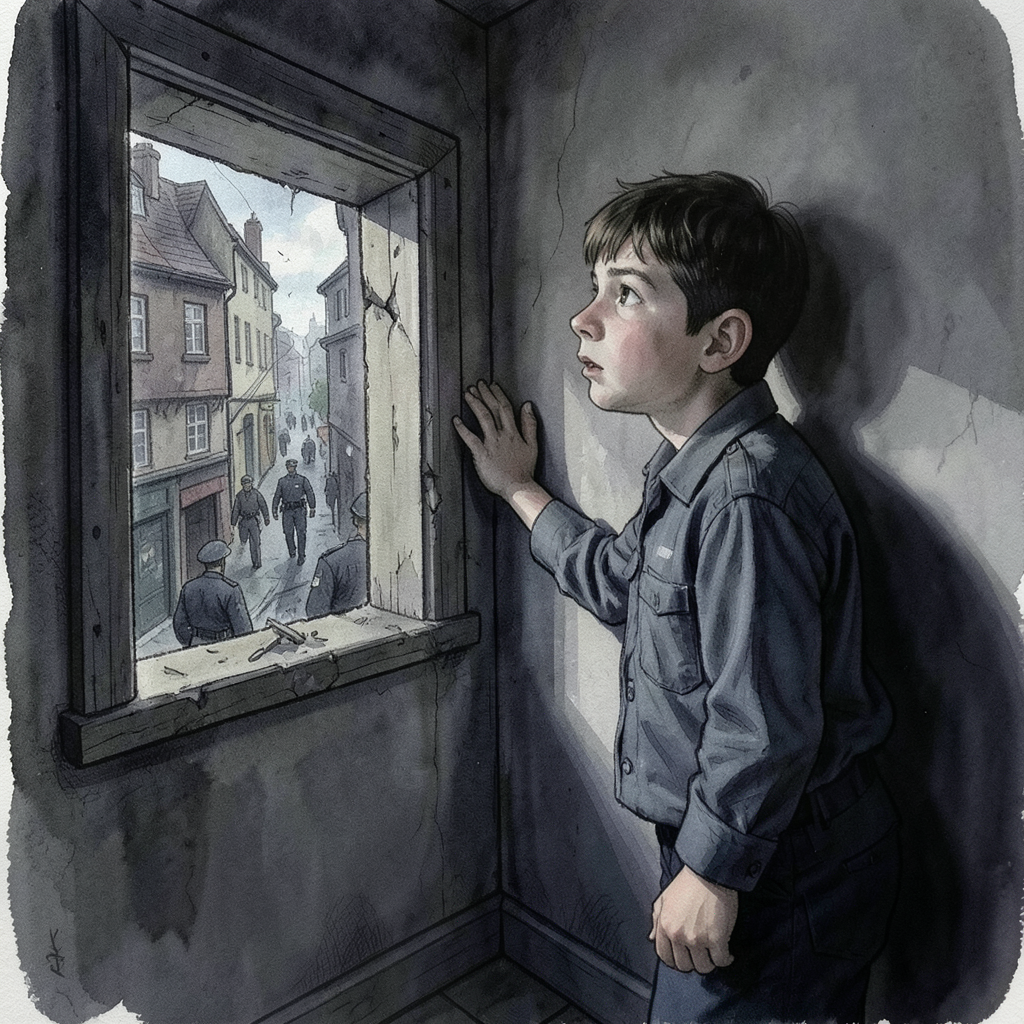
Among the Hidden is a masterclass in building tension through a small, confined world. Margaret Peterson Haddix introduces readers to Luke Garner, a boy who has never attended school, never played outside freely, and never been acknowledged by his government — simply because he is a third child in a society that permits only two. What makes this book enduring is how Haddix makes the injustice feel viscerally real without ever resorting to graphic content. Luke's isolation is conveyed through quiet, domestic details: hiding behind a vent, watching sunlight he cannot step into. When he discovers Jen, another shadow child living next door, the story opens up into questions of courage, risk, and what it means to fight for your right to exist. For many young readers, this is their gateway into dystopian fiction — it is accessible enough for confident middle-grade readers yet intellectually rich enough to stay with them long after the final page. The story respects young readers' intelligence and does not offer easy answers.
Reading Tips for Parents
Before starting, briefly explain what a dystopia is — a fictional society with strict government control — so the premise lands immediately. Because Luke's world is gradually revealed rather than explained upfront, encourage your child to ask questions as they read rather than waiting for answers. The novel is short (about 150 pages) and works well read aloud in chapters over two weeks. After Luke meets Jen, pause and discuss her very different attitude toward risk — this contrast drives the book's emotional core. Parents of sensitive readers should know the ending raises stakes significantly; be ready for a conversation. The book is the first in a seven-book Shadow Children series, so if your child is hooked, the next book (Among the Impostors) is ready to go.
Awards & Recognition
- ALA Best Books for Young Adults
- International Reading Association Children's Choice
Educational Value
This book helps children develop skills across multiple areas:
- Critical Thinking: Readers must evaluate competing arguments about safety versus action, mirroring real-world debates about civic courage and protest.
- Vocabulary: Introduces terms like population control, legislation, propaganda, and contraband in meaningful narrative context.
- Social-emotional: Explores isolation, loneliness, and the deep human need for belonging and identity outside of official recognition.
- Civics and Government: Prompts discussion about how laws are made, who they protect, and what citizens can do when laws are unjust.
- Literary Skills: An ideal first dystopian novel that teaches the genre conventions — controlled society, rule-breaking protagonist, insider knowledge — in a compact, accessible package.
- Empathy: Luke's invisible existence encourages readers to think about people in the real world who are undocumented, stateless, or otherwise excluded from legal recognition.
Discussion Questions
Use these questions to spark conversation before, during, or after reading:
- Why do you think Luke has never questioned his hidden life before he sees the face in the window? What changes for him?
- Jen and Luke are in the same situation but react very differently. Which of their choices do you think makes more sense, and why?
- The Population Law says families can only have two children. Do you think a government should ever have rules about families? What would a fair rule look like?
- If you had to live hidden the way Luke does, what would be the hardest part for you personally?
- At the end, Luke must make a very difficult decision about his future. What would you have done in his place?
Content Notes for Parents
The novel contains themes of government oppression and a character death that occurs off-page but is emotionally significant; sensitive readers should be prepared for a sobering ending. There is no graphic violence, but the sustained atmosphere of fear and confinement may feel intense for younger or anxious readers.
Frequently Asked Questions
What age is Among the Hidden really appropriate for?
The publisher targets ages 8-12, but in practice most readers engage most deeply around ages 9-11. The reading level is accessible for a strong third-grader, but the emotional and philosophical weight lands better for fourth and fifth graders who can hold nuance in the story's ending.
Is this book too scary or dark for my child?
The book is tense and the premise — a child who legally does not exist — is unsettling. A significant character death happens off-page near the end. There is no graphic violence, but children who are sensitive to themes of loss or injustice may need a parent nearby for the final chapters.
Is this a series, and do I need to read them all?
Among the Hidden is the first of seven Shadow Children books by Haddix. The first book ends at a turning point rather than a full resolution, so many readers want to continue. Each subsequent book follows a different shadow child, so the series can also be read selectively.
How does this compare to The Giver for younger readers?
Both books feature a child protagonist in a controlled dystopian society who discovers the truth about their world, but Among the Hidden is somewhat shorter and faster-paced. The Giver carries heavier philosophical and emotional weight; Among the Hidden is a slightly gentler entry point to the genre.
Can this be used for a school project on government or citizenship?
Yes, it is an excellent pairing for civics units covering rights, laws, and government authority. The Population Law in the novel is a concrete, fictional example that students can analyze using the same frameworks they apply to real historical laws, making abstract concepts tangible.