Goodnight Moon
About This Book
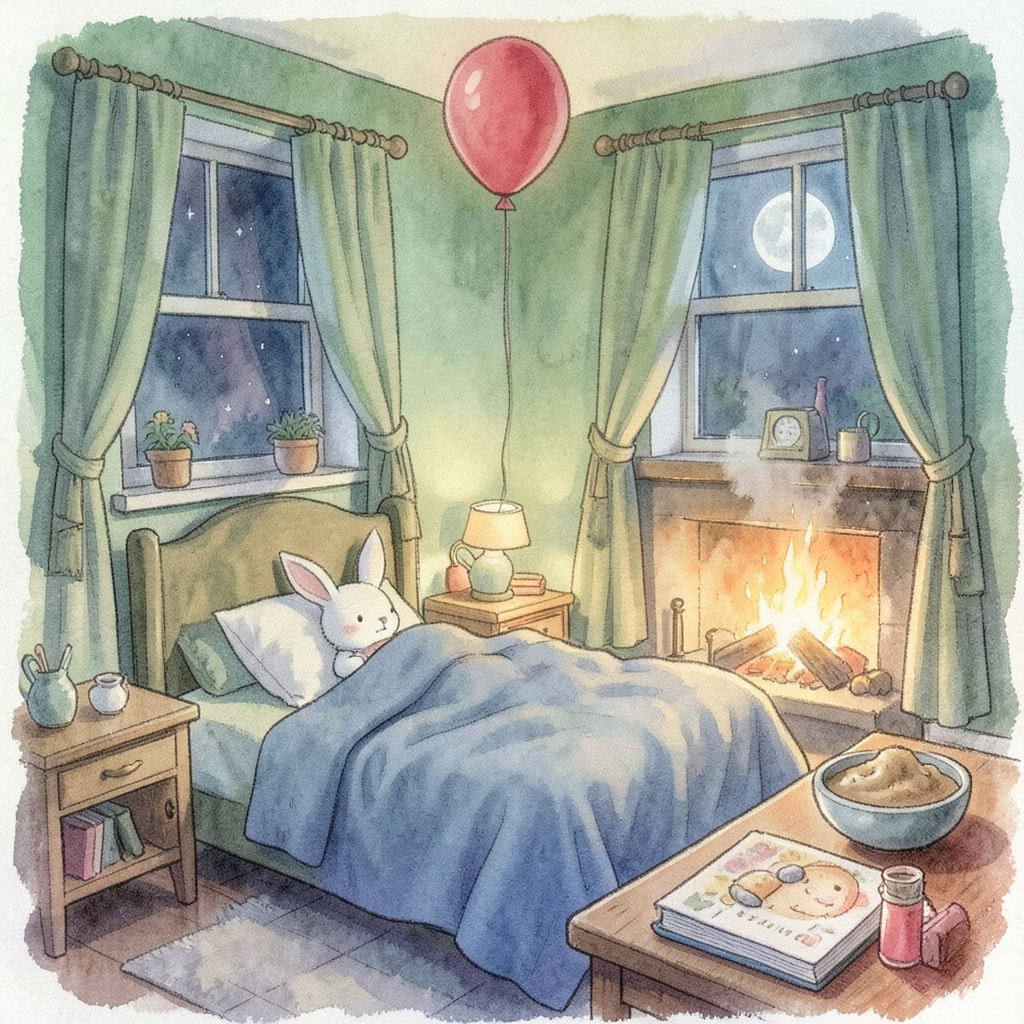
A young bunny says goodnight to all the familiar things in the great green room — the red balloon, the kittens, the mittens, and the quiet old lady whispering hush. This soothing bedtime ritual has helped generations of children drift off to sleep with its gentle, rhythmic text and warm illustrations.
Themes
BedtimeComfortRoutine
Best For
- Bedtime wind-down routines
- First books for newborns and infants
- Teaching object permanence through naming
- Children who struggle to settle at night
- Starting a consistent sleep ritual
Why Parents Love This Book
Goodnight Moon is the gold standard of bedtime books for a reason. Margaret Wise Brown's genius lies in the ritual — the slow, methodical goodbye to each familiar object creates a predictable, calming sequence that signals to toddlers that sleep is near. The muted, warm palette of Clement Hurd's illustrations shifts from bright to dim as the room darkens, visually reinforcing the transition to sleep. After 75+ years and tens of millions of copies, it remains the most recommended bedtime book by pediatric sleep consultants and early childhood educators alike.
Reading Tips for Parents
This book works best when read slowly, pausing on each spread to let children spot the objects being named. The repetitive "goodnight" refrain invites children to chime in — by the third or fourth reading, most toddlers will anticipate and say the words themselves. Many parents use it as the final book in a consistent bedtime sequence, right before lights out. The room's gradual darkening across pages makes an excellent conversation starter about why we sleep when it gets dark.
Awards & Recognition
- Inducted into the New York Times list of the 100 Best Children's Books (2021)
- School Library Journal — All-Time Best Children's Books list
- Over 50 million copies sold worldwide
- Consistently ranked among the top 3 children's books of the 20th century
Educational Value
This book helps children develop skills across multiple areas:
- Object naming and vocabulary: each page reinforces household object names
- Rhyme and rhythm: introduces pre-literacy awareness of sound patterns
- Sequencing and routine: demonstrates the concept of an ordered bedtime ritual
- Color recognition: the great green room, the red balloon, the bowl full of mush
- Observation skills: the hidden mouse on each page rewards careful looking
- Emotional regulation: the calming rhythm models winding down and transitioning to sleep
Discussion Questions
Use these questions to spark conversation before, during, or after reading:
- What things in your bedroom would you say goodnight to?
- Can you find the little mouse hiding on each page?
- Why do you think the room gets darker as the bunny says more goodnights?
- Who is the quiet old lady whispering "hush"? What do you think she is doing?
- What is your favorite thing to say goodnight to before you go to sleep?
Content Notes for Parents
No content concerns. This is a universally gentle, calming book with no scary elements, conflict, or mature themes. Safe for all ages from newborn onward.
Frequently Asked Questions
Is Goodnight Moon appropriate for newborns?
Yes. While newborns won't comprehend the story, the slow rhythm and a parent's calm voice creates a soothing atmosphere from day one. Most families find the book becomes especially meaningful from around 4–6 months, when babies begin recognizing patterns and anticipating familiar routines.
How long does it take to read Goodnight Moon?
About 4–6 minutes at a natural, unhurried pace. Many parents slow down on the "goodnight" pages, letting the rhythm do its calming work. Some families read it twice back-to-back as the final part of a bedtime sequence — the repetition only deepens the settling effect.
My child wants this same book every night. Is that normal?
Completely normal and actually beneficial. Repetition builds vocabulary, comprehension, and the sense of security that comes from predictability. Goodnight Moon is especially well-suited for nightly re-reading because its gentle pacing and hidden details (like the mouse on each page) reward multiple viewings without ever feeling tedious.
At what age do children outgrow Goodnight Moon?
As a primary bedtime book, most children enjoy it from infancy through age 3–4. Many 5- and 6-year-olds still request it for comfort. Because it becomes emotionally associated with safety, warmth, and a parent's presence, children rarely outgrow it emotionally — they simply add new books alongside it.
What makes Goodnight Moon so effective at helping kids sleep?
Several things work together: the slow, repetitive pacing mimics a verbal winding-down; the illustrations gradually darken across pages, mirroring natural light dimming; and the act of saying goodbye to objects externalizes the child's anxiety about letting go of wakefulness. Pediatric sleep experts often recommend it precisely because it turns bedtime into a predictable, reassuring ritual.
Are there other books similar to Goodnight Moon?
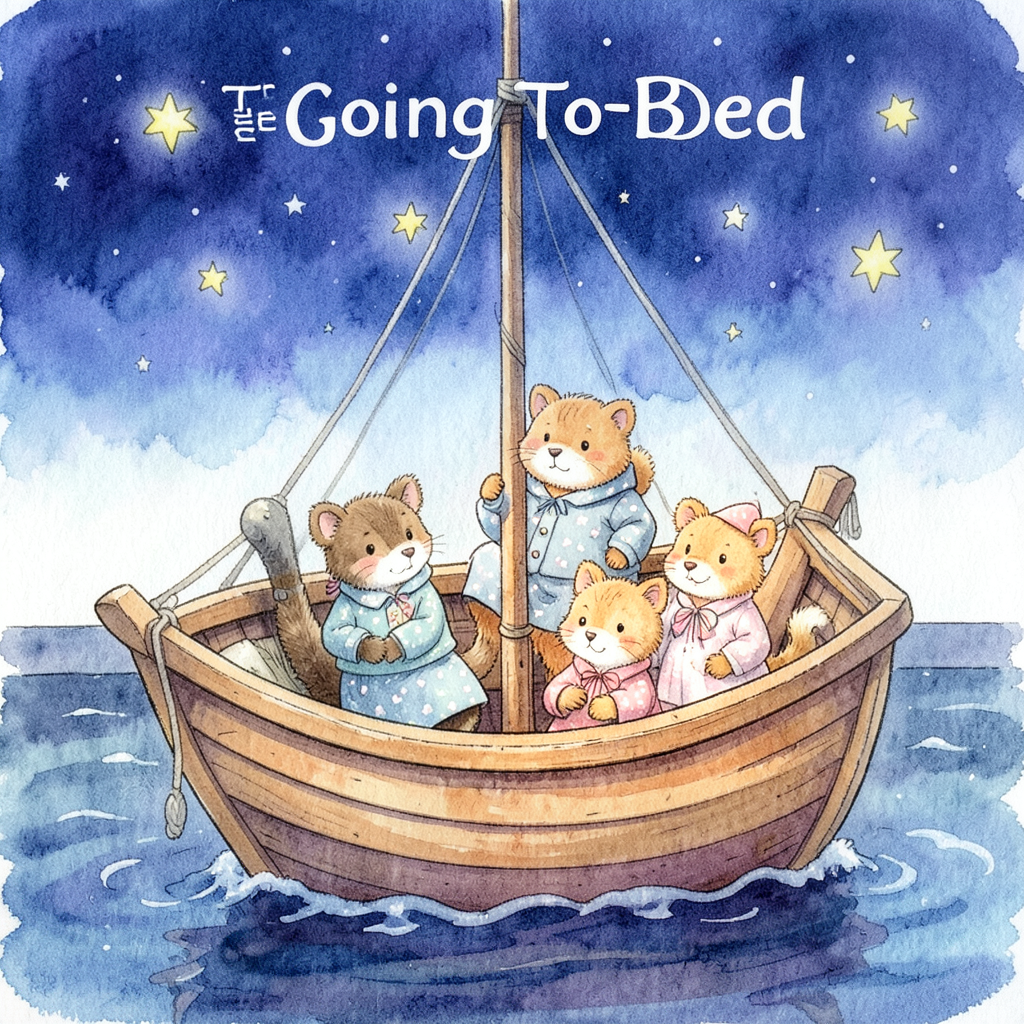
Yes — for a playful take, try "The Going-To-Bed Book" by Sandra Boynton. For a similarly soothing rhythm, "Time for Bed" by Mem Fox is excellent. "Llama Llama Red Pajama" by Anna Dewdney handles bedtime anxiety with warmth and humor.