Henry and Mudge
About This Book
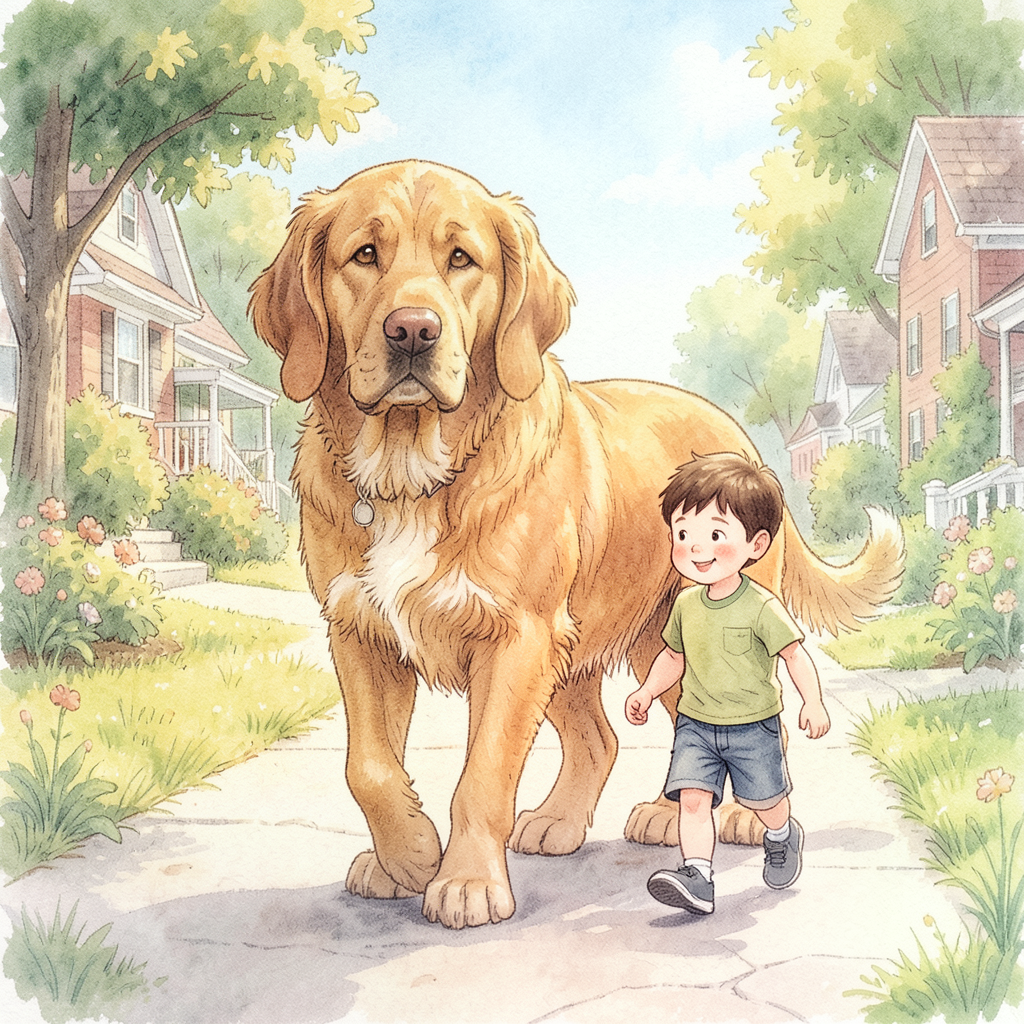
Henry is a lonely boy with no siblings and no nearby children to play with — until he gets Mudge, a tiny puppy who grows into a 180-pound dog. Together they explore puddles, brave thunderstorms, and discover that the best adventures happen with a loyal friend by your side.
Themes
FriendshipCompanionshipAdventure
Best For
- Children who are early or emergent readers ready to move from picture books to short chapter books
- Kids experiencing loneliness, a new school, or the absence of nearby friends
- Families with dogs or children who love animals
- Bedtime read-alouds that need calm, warm, low-stakes storytelling
- Classrooms introducing the concept of chapter books for the first time
Why Parents Love This Book
Henry and Mudge has earned its place as a classic of early reader literature for good reason. Cynthia Rylant captures something quietly profound in this deceptively simple story: the ache of childhood loneliness and the transformative power of an animal companion. Henry lives on a street with no other children, no brothers or sisters — a situation many young readers will recognize and feel deeply. When Mudge arrives as a tiny puppy and grows into an enormous 180-pound dog, Rylant treats the bond between boy and dog with complete seriousness and warmth. There are no villains, no dramatic conflicts, just the everyday texture of a friendship that makes the world feel safe and interesting. Sucie Stevenson's illustrations are loose and joyful, perfectly matching the book's gentle energy. What makes this book endure across decades is its emotional honesty — it validates that loneliness is real, and that a loyal companion, even a four-legged one, genuinely changes a life.
Reading Tips for Parents
This book is ideal for reading aloud in short sessions, as each chapter is brief and episodic — you can easily stop after one chapter and return later without losing narrative momentum. When Mudge grows from a tiny puppy into a 180-pound dog, pause and invite your child to imagine what that size actually looks like. The thunderstorm chapter is a natural springboard to talk about your own family pet or, if you do not have one, what kind of animal your child would choose as a companion. Beginning readers will find the vocabulary accessible enough to attempt pages independently; encourage them to try before stepping in. If your child is experiencing loneliness — at a new school or after a move — use Henry's situation to open that conversation gently. The story normalizes the feeling without dwelling on it.
Awards & Recognition
- American Library Association Notable Children's Book
- School Library Journal Best Book of the Year (1987 series launch recognized across the field)
Educational Value
This book helps children develop skills across multiple areas:
- Social-emotional: Validates feelings of loneliness and shows children that companionship — even with an animal — can be a genuine and meaningful solution.
- Vocabulary: Introduces descriptive words in context, such as size comparisons and weather words, in short, decodable sentences ideal for building word recognition.
- Reading fluency: Short chapters with repetitive sentence structures give early readers practice building reading stamina and pacing.
- Empathy: Encourages children to consider both Henry's and Mudge's perspectives, including how Mudge experiences the world as a dog.
- Narrative comprehension: Episodic structure teaches children that stories can have smaller moments rather than one large plot arc, broadening their understanding of how stories work.
Discussion Questions
Use these questions to spark conversation before, during, or after reading:
- Why do you think Henry felt lonely before Mudge came? Have you ever felt that way?
- Mudge started as a tiny puppy and grew to weigh 180 pounds. Can you think of something else that changes a lot as it grows?
- When there was a thunderstorm, Henry and Mudge were scared but stayed together. Does being with someone you love make you feel less scared? Why?
- If you could have any animal as a companion the way Henry has Mudge, what would you choose and why?
- What do you think Henry and Mudge will do next? Make up a new adventure for them.
Content Notes for Parents
There are no scary, violent, or mature elements in this book. A thunderstorm chapter may momentarily resonate with children who have storm anxiety, but it is handled gently and reassuringly.
Frequently Asked Questions
What age is Henry and Mudge best suited for?
The book is written for children ages 4 to 7. It works well as a read-aloud for preschoolers and kindergarteners, and as an independent early reader for first and second graders. The chapters are short and the vocabulary is manageable for children just beginning to read on their own.
Is this a picture book or a chapter book?
Henry and Mudge sits in between — it is an early reader with short chapters and frequent illustrations on nearly every page. It is longer and more structured than a picture book but much shorter and more illustrated than a traditional chapter book. This makes it a perfect bridge format for children moving beyond picture books.
Are there more books in the Henry and Mudge series?
Yes, Cynthia Rylant wrote more than two dozen Henry and Mudge books. Each one is similarly short and episodic, following Henry and Mudge through seasons, holidays, and everyday adventures. Families who enjoy this first book typically find the series provides a long runway of comfortable, enjoyable reading for early readers.
My child is nervous about dogs. Is this book appropriate?
The book portrays Mudge in an entirely gentle and lovable way — he is never threatening or aggressive. For a child who is nervous around real dogs, the book could actually be a reassuring and positive introduction to the idea of a dog as a friend. That said, you know your child best, so preview it if you have concerns.
What books are similar to Henry and Mudge?
Families who love Henry and Mudge often enjoy Frog and Toad by Arnold Lobel, which shares the same warmth and focus on friendship in a similar early reader format. Ivy and Bean by Annie Barrows is a good next step for children ready for slightly longer chapters. Mo Willems' Elephant and Piggie books offer the same emotional warmth in a simpler picture book format.