
I Love You Through and Through
About This Book
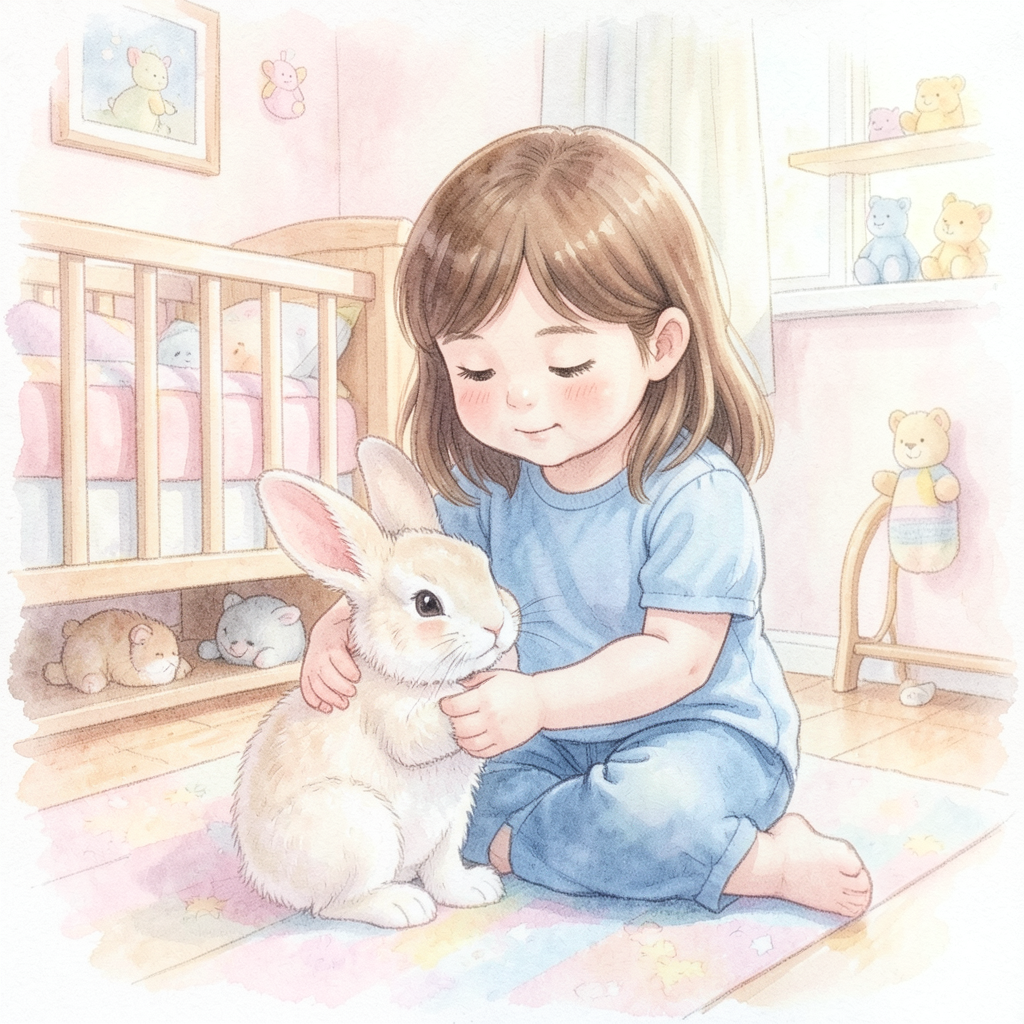
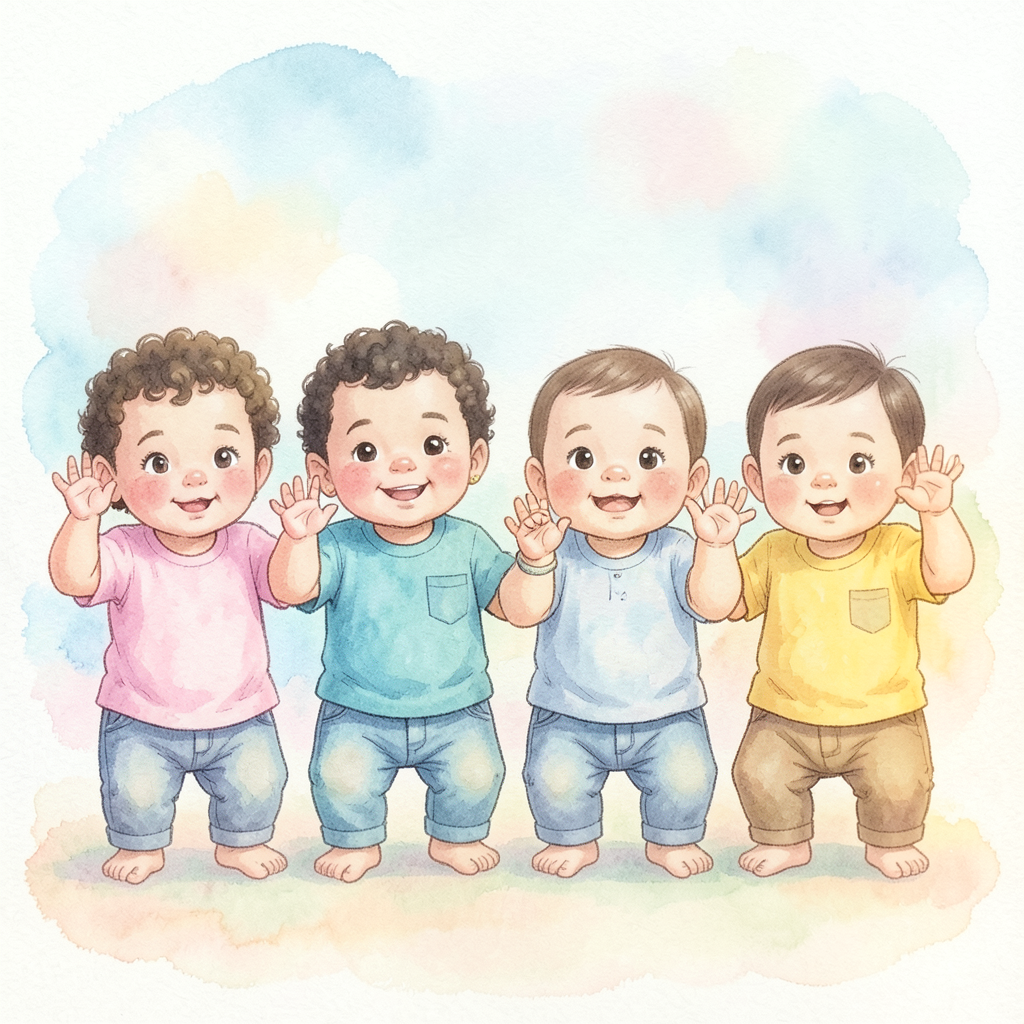
From your happy face to your sad face, your quiet side to your loud side, your inside to your outside — I love every single part of you, through and through. This tender bedtime affirmation covers every mood, every body part, and every side of a child in a text so warm it is practically a hug in book form.
Themes
LoveFamilyEmotions
Best For
- Bedtime routines that need a calm, loving close to the day
- Toddlers going through emotional moments who need reassurance that all their feelings are loved
- Baby showers and new sibling gifts, as it works from infancy through age 3
- Parents looking for a quick, meaningful read that doubles as a cuddle ritual
Why Parents Love This Book
Few board books capture the full emotional landscape of toddlerhood as gently as this one. Bernadette Rossetti Shustak's text moves through every part of a child — toes, nose, happy face, sad face, loud side, quiet side — and declares unconditional love for all of it. That structure is the genius of the book: it doesn't just say "I love you," it names specific, real things a toddler recognizes about themselves, including the grumpy moments and the rowdy ones. For a child who has just been scolded for being too loud or too silly, hearing that those very qualities are loved is genuinely reassuring. The rhythm is easy and melodic, making it almost effortless to read aloud with warmth. Published in 2005, this book has become a staple of nurseries everywhere because its message is timeless and its scope is emotionally complete — a rare combination in books aimed at the youngest readers. It works beautifully as a bedtime read and as a quick midday cuddle book.
Reading Tips for Parents
As you read, slow down and point to your child's body parts as they are named — toes, nose, fingers — to turn the book into an interactive touch-and-name game. Pause at each emotion page and make the face together: happy, sad, quiet, loud. This keeps wiggly toddlers engaged and builds body awareness alongside emotional vocabulary. The short, repetitive text makes it easy to memorize after a few reads, so try putting the book down and reciting lines while cuddling before sleep — it becomes its own little ritual. You can also personalize it by adding your child's name into lines as you read. The book is short enough to read twice in one sitting, which toddlers often request.
Awards & Recognition
- New York Times Bestseller
- Consistently listed among top-selling board books since its 2005 publication
Educational Value
This book helps children develop skills across multiple areas:
- Social-emotional: Validates the full range of a toddler's emotions — happy, sad, loud, quiet — reinforcing that all feelings are acceptable and worthy of love.
- Body awareness: Names multiple body parts (toes, nose, fingers, ears) in context, supporting early body-part identification in pre-readers.
- Vocabulary: Introduces simple opposites and contrasting pairs (happy/sad, inside/outside, top/bottom) laying groundwork for understanding antonyms.
- Language development: The rhythmic, repetitive sentence structure gives toddlers predictable patterns they can begin to anticipate and eventually recite.
- Attachment and security: Reinforces the concept of unconditional love, which supports secure attachment — a foundational element of early emotional development.
Discussion Questions
Use these questions to spark conversation before, during, or after reading:
- Can you show me your happy face? Now your sad face? Which one do you feel right now?
- The book says 'I love your inside and your outside' — can you point to your tummy? That's your inside! Can you point to your nose? That's your outside!
- Who in your family loves you through and through? Who do YOU love through and through?
- The book loves the loud side AND the quiet side. When do you feel loud? When do you feel quiet?
- If you could add one more thing to the book — a part of you that wasn't mentioned — what would you want it to say?
Content Notes for Parents
This book contains no scary, sad, or mature content. It is a purely warm, affirming read with no themes that require parental screening.
Frequently Asked Questions
What age is this book actually best for?
The book is published as a board book for ages 0 to 3, but it hits its sweet spot with children between 12 months and 3 years. Babies enjoy the rhythm and the face-to-face interaction it inspires, while older toddlers can recognize the emotions and body parts being named and engage more actively.
Is this a good bedtime book?
Yes, it is one of the most effective bedtime books for this age range. The text is calm, warm, and short — typically under three minutes to read — and it ends on a feeling of total security. Many families report that it becomes a nightly ritual their child requests by name.
Are there any concerns I should know about before reading this to my child?
There are no content concerns at all. The book is entirely positive and affirming, with no scary imagery, conflict, or mature themes. It is one of the safest choices on any shelf for very young children.
My toddler loves this book. What should we read next?
If your child responds to the loving, reassuring tone, try 'Guess How Much I Love You' by Sam McBratney or 'On the Night You Were Born' by Nancy Tillman, both of which carry a similar message of boundless parental love. For the body-parts and emotions angle, 'Head, Shoulders, Knees and Toes' or 'The Way I Feel' by Janan Cain are natural next steps.
Can this book help my toddler understand emotions?
Absolutely. While it is not a deep dive into emotion coaching, its simple acknowledgment that a child has both a happy side and a sad side — and that both are loved — is a gentle, accessible first step in emotional vocabulary. Pausing on each emotion page to name and mimic the feeling together amplifies that learning considerably.