From the Mixed-Up Files of Mrs. Basil E. Frankweiler
About This Book
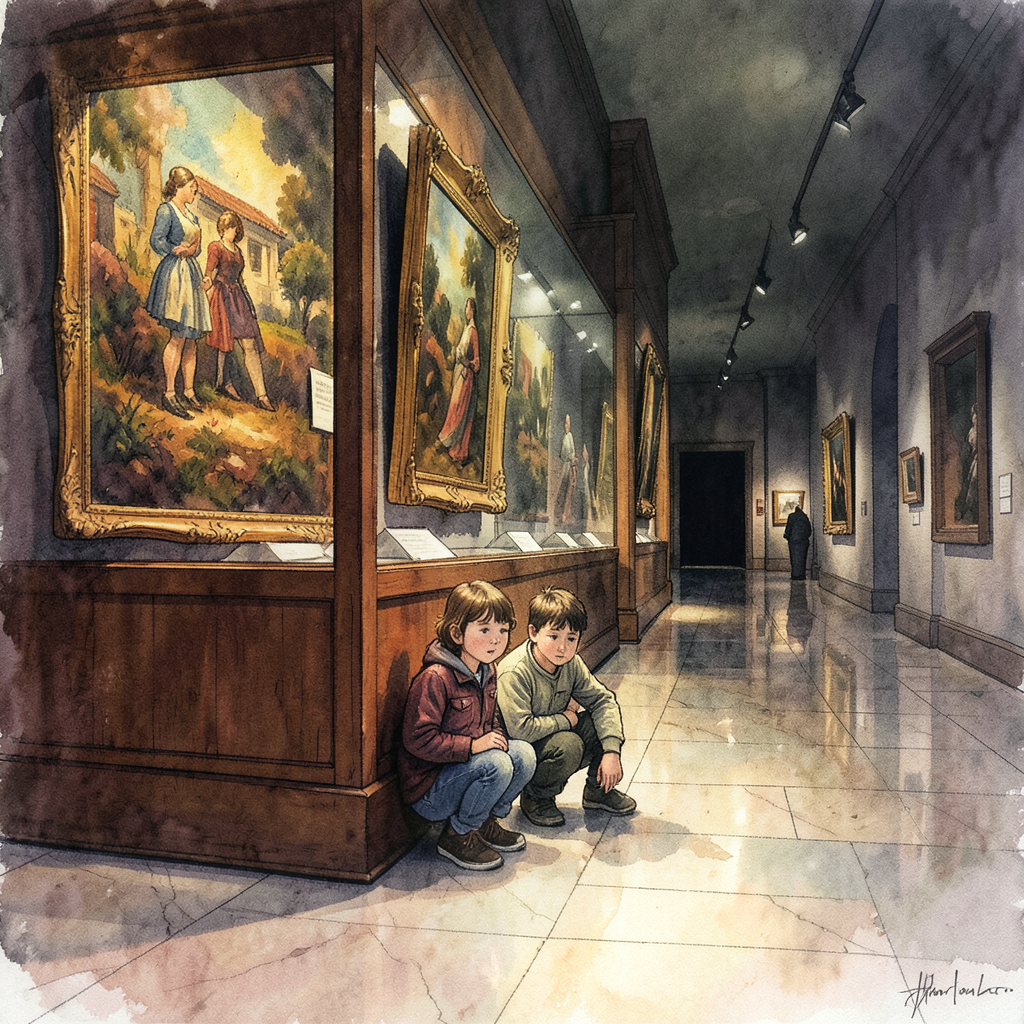
Twelve-year-old Claudia Kincaid and her younger brother Jamie run away from home and secretly live in the Metropolitan Museum of Art in New York City. While hiding among the exhibits, they become fascinated by a mysterious statue and set out to solve the mystery of who created it.
Themes
AdventureMysteryIdentity
Best For
- Kids who love museums, art, or history and want to see those interests reflected in a great story
- Siblings who enjoy reading the same book — the Claudia-and-Jamie dynamic sparks excellent conversation between brothers and sisters
- Young readers making the transition from chapter books to longer middle-grade novels
- Families planning a trip to New York City or a museum visit who want to build excitement beforehand
- Children who feel overlooked or underappreciated and are ready to see a character work through those feelings
Why Parents Love This Book
From the Mixed-Up Files of Mrs. Basil E. Frankweiler is one of those rare books that makes a child feel like the world is full of hidden possibilities. The premise alone is irresistible: twelve-year-old Claudia Kincaid, feeling underappreciated at home, convinces her thrifty younger brother Jamie to run away — but not just anywhere. They hide inside the Metropolitan Museum of Art in New York City, sleeping in a Renaissance bed, bathing in the fountain, and surviving on Jamie's carefully hoarded allowance money. What begins as an escapist adventure deepens into a genuine mystery when the siblings become captivated by a beautiful statue that may have been sculpted by Michelangelo. Konigsburg's genius lies in pairing the delicious fantasy of living inside a museum with real intellectual curiosity — about art, history, and what makes something valuable. Claudia's search for a "secret" she can carry home is quietly one of the most resonant coming-of-age journeys in all of middle-grade fiction. Nearly six decades after publication, it still feels fresh, funny, and deeply satisfying.
Reading Tips for Parents
Before reading, pull up images of the Metropolitan Museum of Art and the Angel statue at the center of the mystery — seeing the real setting makes the adventure feel even more immediate for kids. The book works beautifully as a read-aloud for ages 8-9, though strong readers aged 9-12 will race through it independently. Pay attention to Jamie's running calculations about money: these offer easy, natural pause points to do the arithmetic together. The sibling dynamic between perfectionist Claudia and penny-pinching Jamie sparks great conversation about how different personalities can complement each other. After finishing, consider visiting a local museum and letting your child imagine what it would be like to live there — many families report this book permanently changes how their children look at museums.
Awards & Recognition
- Newbery Medal, 1968
- New York Times Outstanding Children's Book
Educational Value
This book helps children develop skills across multiple areas:
- Art History: The book introduces Michelangelo, the Italian Renaissance, and how museums acquire and authenticate works of art — giving children a real foothold in art history.
- Math: Jamie's meticulous budgeting and coin-counting throughout the story makes arithmetic feel purposeful and fun, naturally reinforcing money-management concepts.
- Research Skills: Claudia and Jamie model how to investigate a question methodically — using library records, museum files, and primary sources — an excellent real-world research process.
- Social-Emotional: Claudia's journey explores the desire to feel special and appreciated, helping children identify and articulate their own needs for recognition within family dynamics.
- Geography and Cultural Literacy: The New York City setting, particularly the detailed depiction of the Met, builds geographic and cultural awareness for children who may never have visited.
- Vocabulary: Konigsburg's prose is sophisticated without being inaccessible, introducing words like 'Renaissance,' 'authenticate,' 'connoisseur,' and 'secretive' in meaningful context.
Discussion Questions
Use these questions to spark conversation before, during, or after reading:
- Why do you think Claudia chose the Metropolitan Museum of Art as the place to run away to? What would your ideal hiding place be and why?
- Claudia says she wants to come home having learned a 'secret' — something that makes her different. What do you think she means, and did she find it by the end?
- Jamie is very careful with money throughout the book. How does his attitude about money help the plan succeed, and when does it cause problems?
- The mystery of whether the statue was made by Michelangelo drives the second half of the story. Why do you think it matters so much to Claudia and Jamie who made it?
- If you were going to secretly live somewhere for a week, what place would you choose and what would be the hardest part about staying hidden?
Content Notes for Parents
There are no scary, violent, or age-inappropriate elements in this book. The children do run away from home, but the tone is comedic and adventurous rather than distressing, and the family situation is loving rather than troubled.
Frequently Asked Questions
What age is this book best for?
The book is ideal for readers aged 9 to 12. Strong readers as young as 8 can enjoy it independently, and it works very well as a read-aloud for children aged 7 and up. The mystery and humor keep younger listeners engaged while the emotional themes resonate more deeply for kids approaching middle school.
Is there anything in the book that might worry parents of sensitive readers?
Nothing significant. Claudia and Jamie do run away from home, but the story treats this as a clever adventure rather than a crisis. Their parents are not neglectful or cruel — Claudia simply feels taken for granted. The tone is warm and often funny throughout, so even sensitive children are unlikely to find it upsetting.
Does a child need to know anything about art or museums before reading?
Not at all — Konigsburg introduces everything the reader needs within the story itself. That said, pulling up a few images of the Metropolitan Museum of Art and Michelangelo's sculptures before or during reading adds a wonderful extra dimension, especially for children who are visual learners.
What books would you recommend for kids who loved this one?
Children who enjoyed this book often love 'The Westing Game' by Ellen Raskin for its puzzle-driven mystery, 'Harriet the Spy' by Louise Fitzhugh for its independent-minded protagonist, and 'Chasing Vermeer' by Blue Balliett, which also centers on a young sleuth investigating a famous work of art.
Is this a good book for a school book club or classroom?
It is excellent for that purpose. The book has clear chapters, a satisfying mystery structure, and themes — identity, sibling relationships, the value of art, what makes something special — that generate rich classroom discussion. It has been a staple of fourth- and fifth-grade reading curricula for decades for exactly these reasons.