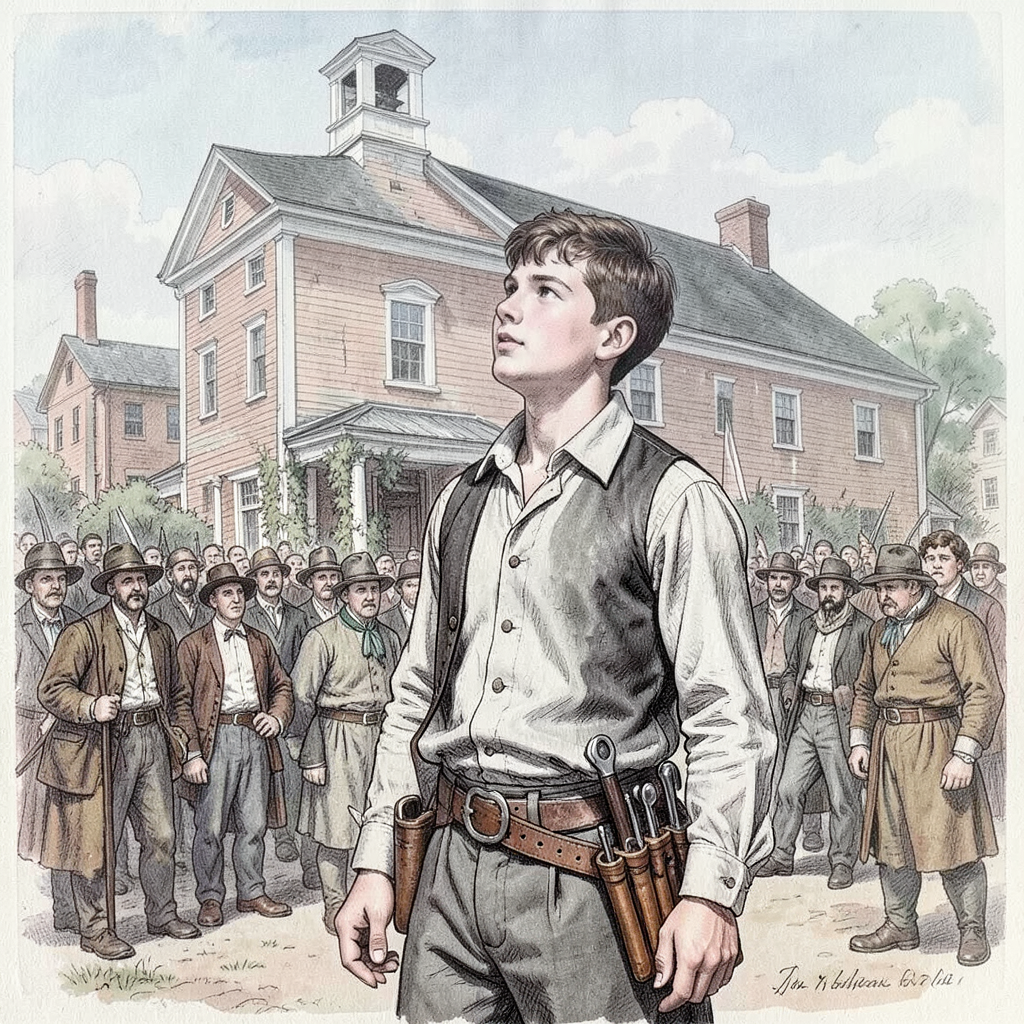
Johnny Tremain
About This Book
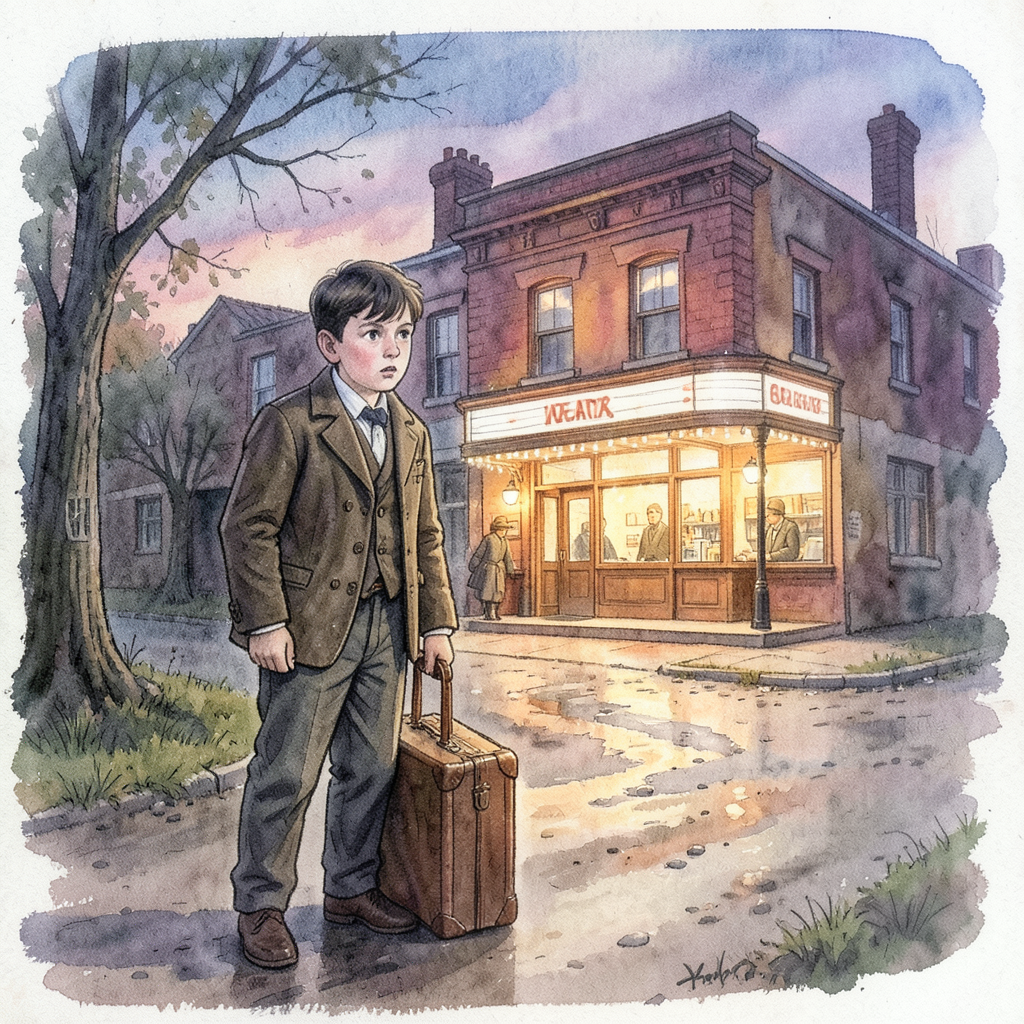
Fourteen-year-old Johnny Tremain is a gifted silversmith's apprentice in Boston on the eve of the American Revolution — until a terrible accident destroys his career and forces him into the orbit of the Sons of Liberty. Esther Forbes' Newbery Medal novel is a gripping adventure and one of the best introductions to the colonial period ever written for young readers.
Themes
HistoryRevolutionComing of Age
Best For
- Middle schoolers studying the American Revolution who want a story-driven complement to their textbook
- Confident chapter-book readers ages 10 and up ready for a longer, more complex narrative
- Parent-child read-alouds for families who enjoy discussing history and ethics together
- Kids who loved the Dear America or My Name Is America series and are ready for a more literary challenge
Why Parents Love This Book
Johnny Tremain has endured for more than eighty years because Esther Forbes understood something rare: that history becomes alive only when readers care deeply about a single person living through it. Johnny starts the novel as a proud, sometimes arrogant apprentice on the cusp of a brilliant career. When a Sunday-morning accident burns his hand and shatters that future, Forbes does not rush him toward heroism. Instead she lets him grieve, drift, and slowly find new purpose as a rider for the Sons of Liberty. Boston's cobblestone streets, harbor wharves, and print shops feel lived-in rather than staged. The real figures — Sam Adams, Paul Revere, James Otis — appear as complicated human beings rather than bronze statues. Young readers encounter the moral cost of revolution: friendships broken, lives lost, a city occupied. The result is a novel that treats its middle-grade audience with complete seriousness, trusting them to sit with ambiguity and emerge with a genuine emotional understanding of why ordinary people chose to fight.
Reading Tips for Parents
Before starting, spend a few minutes with a simple map of colonial Boston so children can picture the North End, the harbor, and Beacon Hill as Johnny moves through them. Because the novel opens with workplace hierarchy and apprenticeship culture unfamiliar to modern kids, a brief explanation of how colonial trades worked will pay dividends in the first three chapters. Forbes uses some period vocabulary — "mizzle," "peruke," "cordwainer" — so keep a notepad nearby and look words up together rather than skipping them; they add texture. The pacing slows in the middle before accelerating dramatically at Lexington and Concord, so reassure reluctant readers that the action picks up. The death of a sympathetic young character near the end may prompt emotional conversations; plan for that moment rather than being surprised by it.
Awards & Recognition
- Newbery Medal, 1944
- Considered a landmark of American historical fiction for children
Educational Value
This book helps children develop skills across multiple areas:
- History: Provides a richly researched window into colonial Boston, the apprenticeship system, the Tea Party, the Intolerable Acts, and the opening battles of the American Revolution.
- Vocabulary: Introduces period-specific trade and political terminology — apprentice, indenture, sedition, musket — in meaningful context that aids retention.
- Social-emotional learning: Explores how personal loss, wounded pride, and the search for identity shape a young person's moral development and sense of purpose.
- Critical thinking: Presents Loyalists and Patriots as complex people with understandable motivations, encouraging readers to think beyond simple heroes-and-villains framing.
- Literature: Demonstrates how a third-person limited narrator creates intimacy, how foreshadowing works across a long novel, and how historical fiction balances fact and invention.
- Civic understanding: Illuminates the ideas behind the Revolution — liberty, representation, consent of the governed — through character experience rather than textbook abstraction.
Discussion Questions
Use these questions to spark conversation before, during, or after reading:
- At the start of the book, Johnny is talented but also arrogant. How does losing the use of his hand change the way he treats other people — and do you think that change would have happened without the accident?
- James Otis gives a speech about what the colonists are really fighting for. In your own words, what does he say freedom means? Do you agree with him?
- Johnny has to decide how much personal risk he is willing to take as a Patriot messenger. If you were in his position in 1773 Boston, do you think you would have made the same choices?
- Rab and Johnny are very different in temperament — one is quiet and patient, the other is hot-headed and proud. Why do you think they become such close friends?
- The novel shows Loyalists and Patriots living as neighbors. What does that tell you about revolutions — are they simple fights between good people and bad people?
Content Notes for Parents
A sympathetic major character is killed in the lead-up to Lexington and Concord, and the battle scenes include casualties depicted with mild but genuine gravity; the death is emotionally significant and may affect sensitive readers. There is no inappropriate language or content, but the novel does not soften the violence and sacrifice involved in war.
Frequently Asked Questions
What age is Johnny Tremain really appropriate for?
The book is marketed for ages 8-12, but most independent readers will get the most out of it at ages 10-13. Younger strong readers can certainly tackle it, especially with a parent reading alongside, but the political themes and the emotional weight of the ending tend to land more fully around fifth or sixth grade.
Is there anything parents should know about the content before handing it to a child?
The accident that injures Johnny's hand is described in painful detail and may be distressing for sensitive readers. A significant character also dies near the end of the novel — not graphically, but meaningfully. Battle scenes at Lexington and Concord involve death and injury depicted honestly. There is no profanity or sexual content.
My child is studying the American Revolution in school. Will this book actually help?
Yes, this is one of the most effective supplements available. Forbes conducted deep primary research before writing, and figures like Paul Revere, Samuel Adams, and John Hancock appear in ways consistent with the historical record. The novel covers the Boston Tea Party, the occupation of Boston, and the Battles of Lexington and Concord, so it maps directly onto typical fourth- through seventh-grade curriculum.
The book is from 1943 — does the language feel dated?
The prose is formal and occasionally uses archaic vocabulary, but this is part of what makes it feel authentically colonial. Most modern middle-grade readers adjust within a chapter or two. Reading it aloud together for the first few chapters can help children find their footing with the style before they continue independently.
What books would you recommend after Johnny Tremain?
Readers who love Johnny Tremain often enjoy My Brother Sam Is Dead by James Lincoln Collier and Christopher Collier, which offers a more morally ambiguous view of the Revolution, or Chains by Laurie Halse Anderson, which tells the story from the perspective of an enslaved girl during the same period. For more Esther Forbes, her adult biography Paul Revere and the World He Lived In (which she researched for this novel) is excellent for older teens.