The Hobbit
About This Book
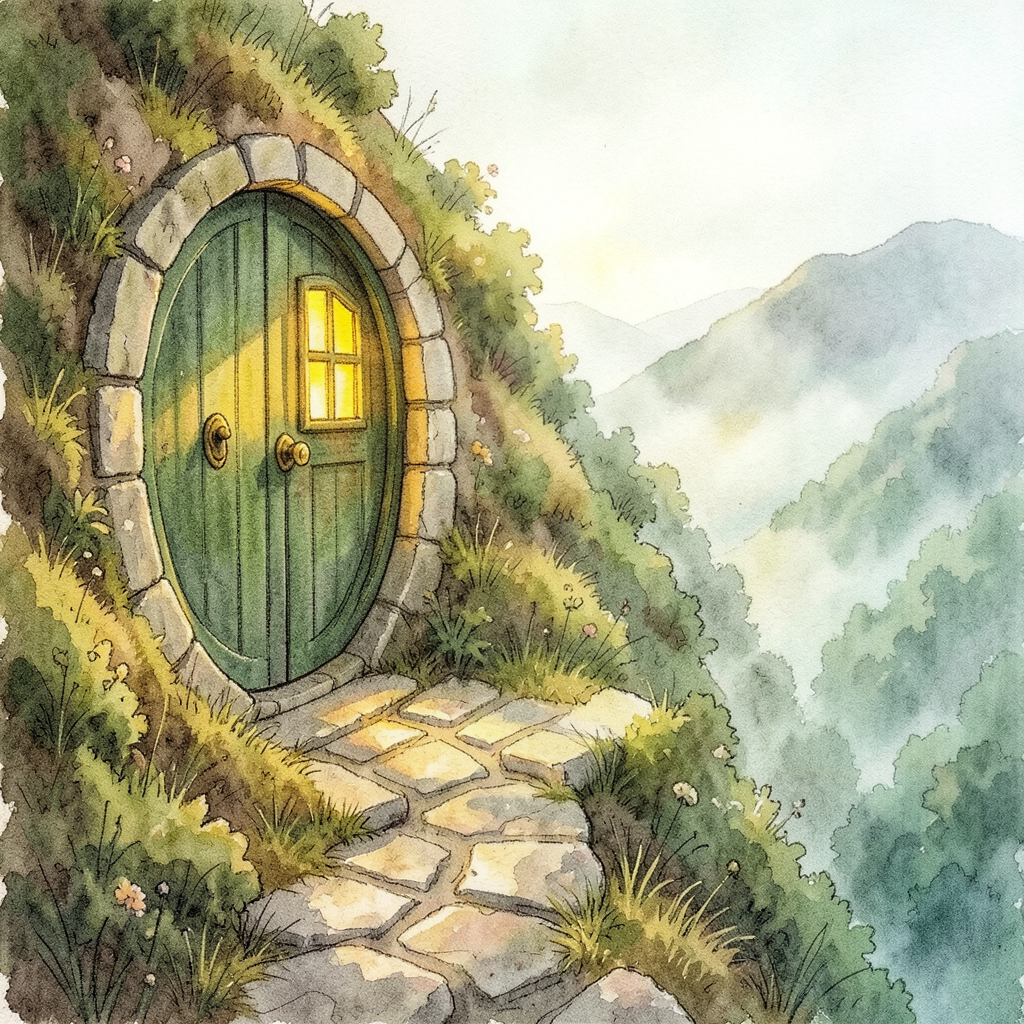
Comfortable, home-loving hobbit Bilbo Baggins is recruited by the wizard Gandalf and thirteen dwarves for an unexpected adventure to reclaim a treasure guarded by the dragon Smaug. Along the way, Bilbo discovers courage he didn't know he had and finds a mysterious ring that makes him invisible.
Themes
AdventureCourageGrowth
Best For
- Children who have outgrown early chapter books and are ready for a long, immersive adventure
- Families who enjoy reading aloud together over several weeks
- Kids who love puzzles, riddles, and clever problem-solving over brute-force heroics
- Children showing an early interest in mythology, world-building, or fantasy world maps
- Reluctant readers who respond to humor — Tolkien's wit and Gandalf's dry jokes make early chapters genuinely funny
Why Parents Love This Book
First published in 1937, The Hobbit has introduced generations of children to the joy of epic fantasy — and it earns every bit of that enduring reputation. What sets it apart is Tolkien's masterstroke of centering the story on Bilbo Baggins, a thoroughly ordinary homebody who would rather have a second breakfast than go on a quest. Readers who see themselves as cautious or un-heroic find an instant champion. The novel builds its world with a warmth and wit that Tolkien's later work does not always carry, and Gandalf's wry humor keeps even the darkest chapters from feeling oppressive. Each chapter functions almost like a self-contained adventure — trolls, riddles in the dark, giant spiders, a dragon's lair — giving young readers natural resting points and plenty to discuss. The famous Riddles in the Dark chapter, where Bilbo outwits Gollum through cleverness rather than strength, teaches children that intellect and resourcefulness matter as much as bravery. It is a book that rewards rereading at every age.
Reading Tips for Parents
The Hobbit is best read aloud in installments — one chapter per sitting works well for ages 8-10, letting children absorb the rich vocabulary and vivid imagery before moving on. Tolkien's prose can run long in descriptive passages; feel free to paraphrase lightly for younger or less patient readers without losing the story. Before starting, spend a moment looking at a map of Middle-earth together (editions often include one) to help children track the journey geographically. The Riddles in the Dark chapter is a wonderful opportunity to pause and have kids make up their own riddles. If your child finishes and wants more, The Lord of the Rings is the natural next step, but is significantly darker and longer — many families wait until age 12 or 13 for that series.
Awards & Recognition
- New York Times Bestseller — enduring presence on bestseller lists across multiple decades
- Carnegie Medal nominated (1937 UK publication)
- Publishers Weekly ranked it among the best-selling children's novels of all time
Educational Value
This book helps children develop skills across multiple areas:
- Vocabulary: Tolkien's prose introduces rich, archaic, and invented words — from 'flummoxed' to 'mithril' — naturally expanding a child's word knowledge through context.
- Critical Thinking: The Riddles in the Dark chapter is a masterclass in logic puzzles and lateral thinking, inviting readers to try solving each riddle before Bilbo does.
- Geography and Mapping: The detailed journey from the Shire to the Lonely Mountain encourages children to follow a route on a map, building spatial reasoning and an understanding of scale.
- Social-Emotional: Bilbo's arc models how self-confidence can grow through experience, helping children connect personal challenge to personal growth.
- Literary Skills: The book introduces children to epic fantasy conventions — the reluctant hero, the mentor figure, the quest structure — providing a foundation for understanding narrative archetypes.
- History and Mythology: Tolkien drew on Norse myth and Old English poetry, making the book a rich entry point for discussing where stories come from and how cultures pass down legends.
Discussion Questions
Use these questions to spark conversation before, during, or after reading:
- Bilbo loves his comfortable home and doesn't want to leave. Have you ever been nervous about trying something new? What helped you feel brave enough to try?
- Gollum and Bilbo have a riddle contest instead of a fight. Why do you think Tolkien chose to settle that conflict with words rather than action? What does that say about Bilbo?
- The dwarves don't always treat Bilbo with respect at the start of the journey. How does Bilbo earn their trust over time? What does he do that changes their opinion of him?
- Smaug is cunning and tries to make Bilbo doubt the dwarves. How does Bilbo handle Smaug's tricks? What would you have done in that conversation?
- By the end of the book, Bilbo has changed a great deal. What is the most important way he has grown, and do you think he misses his old life?
Content Notes for Parents
The book contains battle scenes, a dragon that kills people off-page, large spiders that capture and nearly eat the characters, and the death of a key character near the end — sensitive or younger readers may find these moments frightening or sad. There is no profanity or sexual content, but the darkness of Gollum and the Mirkwood chapters is real; most children 9 and up handle it well, though parents of anxious readers may want to preview those sections.
Frequently Asked Questions
What is the right age to read The Hobbit?
Most children enjoy it independently between ages 10 and 12, though confident readers of 8 or 9 do very well with it as a read-aloud. The vocabulary is advanced and some scenes are genuinely scary, so parental judgment based on your individual child matters more than a strict age cutoff.
Is The Hobbit too scary for younger children?
It depends on your child's sensitivity. The spider sequence in Mirkwood, the Gollum encounter, and the dragon Smaug can unsettle anxious kids. That said, Tolkien's tone is ultimately hopeful and often humorous, and most children find the scary moments exciting rather than traumatizing. Reading it aloud lets you gauge reactions in real time.
Do I need to read The Lord of the Rings afterward?
Not at all — The Hobbit is a completely self-contained story with a satisfying ending. Many families read The Hobbit and wait two or three years before tackling The Lord of the Rings, which is longer, denser, and considerably darker in tone.
What books are similar to The Hobbit for kids who loved it?
The Chronicles of Narnia by C.S. Lewis is a natural companion — classic, British, and full of wonder. For slightly older readers, The Lord of the Rings is the obvious next step. Eragon by Christopher Paolini and The Name of the Wind by Patrick Rothfuss appeal to older kids ready for longer fantasy epics.
Is the movie a good substitute for the book?
The Peter Jackson film trilogy covers the same story but adds significant content not in the book and runs far longer than the source material warrants. The book is shorter, funnier, and more focused than the films. Most children who read the book first find it a richer experience, and the films work well as a companion conversation about adaptation choices.