The Monster at the End of This Book
About This Book
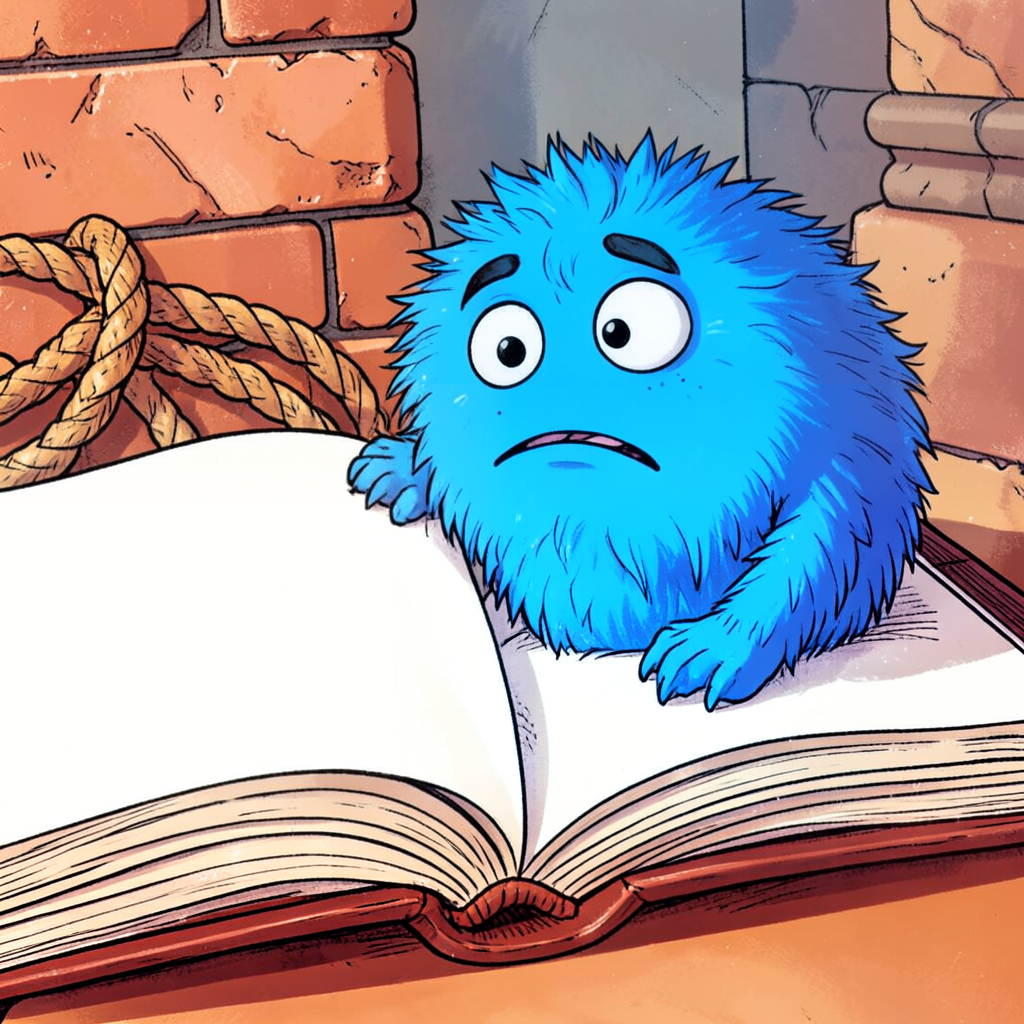
Grover from Sesame Street is terrified because he's heard there's a monster at the end of the book. He begs the reader not to turn the pages, builds brick walls, ties the pages together — but the reader keeps going. The monster at the end turns out to be lovable, furry old Grover himself.
Themes
HumorCourageInteraction
Best For
- Toddlers who need a high-energy, interactive read-aloud before bed or at storytime
- Children who are starting to experience worry or fear and need a gentle, funny way to talk about it
- Families who enjoy silly, performative reading sessions where adults can ham it up
- Children who already love Grover or Sesame Street characters
- Repeat-reading enthusiasts — this book genuinely gets funnier the more times you read it together
Why Parents Love This Book
Published in 1971 and still delighting children more than fifty years later, The Monster at the End of This Book is one of the most brilliantly constructed picture books ever made. Jon Stone and Michael Smollin understood something deeply true about young children: they love being in on the joke. From the very first page, Grover breaks the fourth wall and speaks directly to the reader, pleading, begging, and eventually constructing elaborate brick walls to stop you from turning the page. The comedy builds page by page, and children find themselves giggling at their own power over poor, panicking Grover. The payoff — that the monster was Grover all along — is both a surprise and completely satisfying. The book teaches children that fear is often bigger in imagination than in reality, but it does so through pure slapstick comedy rather than moralizing. Michael Smollin's expressive illustrations of Grover's increasingly distressed face are timeless. This is a read-aloud that rewards performance, and it never gets old no matter how many times children request it.
Reading Tips for Parents
This book is made for performance. Use a high, worried voice for Grover and build genuine drama as you turn each page — your child will love watching you "disobey" Grover's instructions. Pause before turning each page and look at your child with mock hesitation; let them be the one who insists you keep going. On repeat readings, younger toddlers will start to anticipate the punchline and show visible excitement as the book progresses. After finishing, ask your child to think about a time they were scared of something that turned out to be fine — this is a gentle, non-threatening way to open that conversation. The book also works well as a bedtime read because the resolution is genuinely comforting: the monster was a friend all along. Board book editions are available for the youngest readers who may otherwise damage the pages in their enthusiasm.
Awards & Recognition
- New York Times Bestseller — has remained one of the best-selling children's books since its publication in 1971
- Publishers Weekly All-Time Bestselling Children's Books list
Educational Value
This book helps children develop skills across multiple areas:
- Social-emotional: Explores how fear can be bigger in our imagination than in reality, offering a gentle, funny framework for talking about anxiety with young children.
- Humor and literacy: Introduces comic timing and dramatic irony — children experience the pleasure of knowing something the character does not.
- Interactive reading: Models how books can be a two-way experience, building early engagement habits and showing children that reading is active, not passive.
- Vocabulary: Introduces expressive emotional words like terrified, begging, and embarrassed in a context that makes their meaning immediately clear.
- Narrative structure: Demonstrates escalating tension and a satisfying resolution, helping pre-readers develop an intuitive sense of story shape.
- Self-regulation: Grover's exaggerated panic followed by the calm ending gives children language and humor for processing their own big feelings.
Discussion Questions
Use these questions to spark conversation before, during, or after reading:
- Why was Grover so scared at the beginning of the book? Have you ever been scared of something before you knew what it was?
- Grover tried to stop us from turning the pages by building walls and tying ropes. Did you want to keep turning the pages anyway? Why?
- Were you surprised that Grover was the monster at the end? What did you think the monster was going to look like?
- Grover says he is so embarrassed at the end. Why do you think he feels that way?
- If you were Grover, what would YOU have done to try to stop the reader from reaching the end of the book?
Content Notes for Parents
There are no scary, sad, or mature elements in this book. Grover's fear is played entirely for comedy, and the resolution is warm and reassuring — this book is universally appropriate for its target age range.
Frequently Asked Questions
What age is this book best for?
The book is aimed at children ages 2 to 5, though many families with younger toddlers (18 months and up) enjoy it too, especially the board book edition. The humor around fear and the interactive format tend to land best around ages 3 to 4, when children have enough language to fully appreciate Grover's dramatic pleas and the twist ending.
Is the monster actually scary for young children?
Not at all. Grover himself is the monster, and he is the same lovable, furry character children know from Sesame Street. The book is designed entirely around comedy rather than horror, and the ending is warm and reassuring. Children who are sensitive to scary content handle this book very well.
Do children need to know who Grover is to enjoy this book?
While familiarity with Grover from Sesame Street adds an extra layer of delight, children who do not know the character enjoy the book just as much. Grover's personality and emotions are communicated entirely through the story and illustrations, so no prior knowledge is needed.
Are there similar books you would recommend alongside this one?
Yes — Don't Let the Pigeon Drive the Bus! by Mo Willems uses a very similar structure of a character talking directly to the reader and begging them not to do something. We're Going on a Bear Hunt by Michael Rosen is another great companion for exploring pretend fear in a fun, read-aloud format. Both pair beautifully with this book for a mini interactive-books storytime.
Is there a board book version available?
Yes, a board book edition exists and is a great choice for children under two who will inevitably try to pull or chew on the pages. The content is identical to the original picture book, just printed on durable board pages.