The Report Card
About This Book
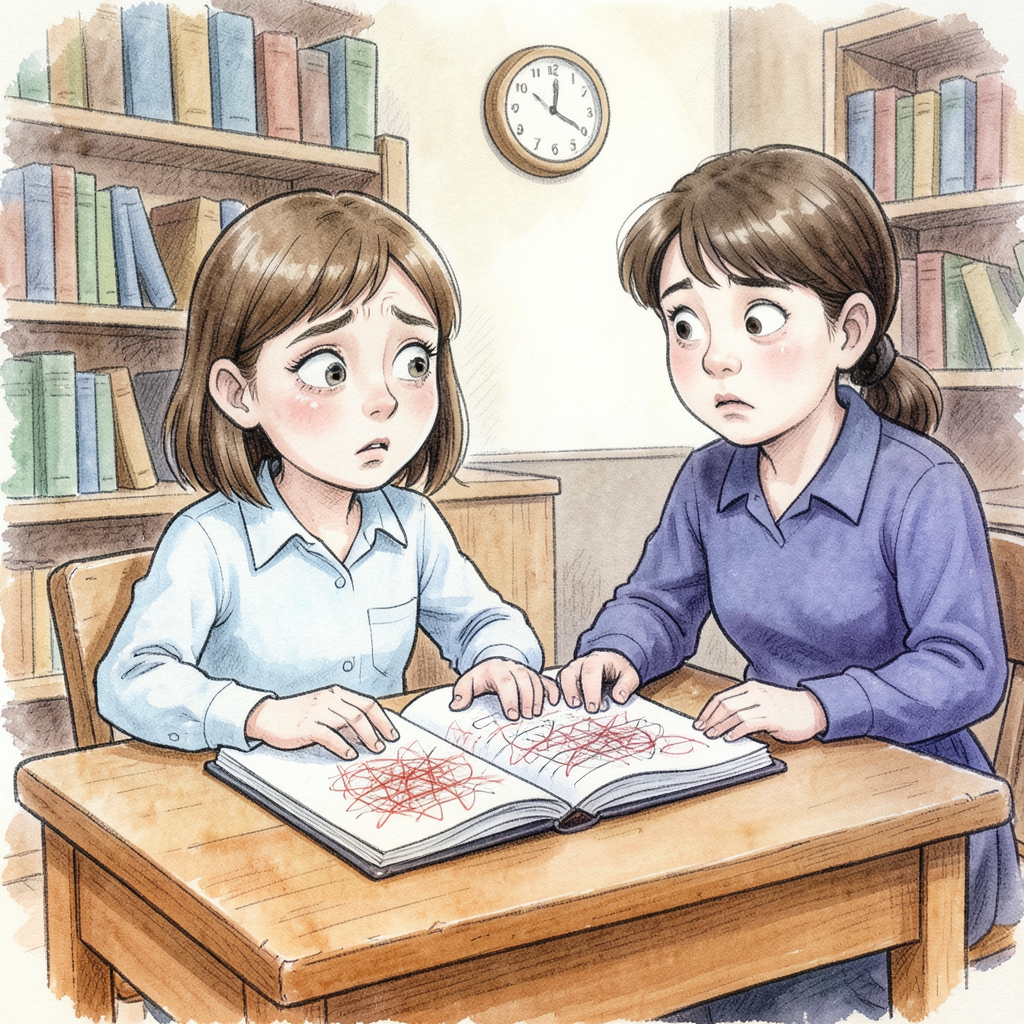
Nora Rose Rowley is secretly the smartest kid in her class — and has been deliberately getting average grades for years to avoid the pressure that comes with being labelled a genius. When her protest against grade obsession backfires spectacularly, she and her best friend face off against the whole school system. A funny, quietly subversive story about intelligence, friendship, and what education is actually for.
Themes
SchoolIntelligenceFriendship
Best For
- Kids who feel pressured by grades or academic rankings
- Gifted children who feel isolated or different from their peers
- Classroom read-alouds that spark discussion about school and fairness
- Families looking for books that validate questioning systems rather than just conforming to them
- Kids who loved Clements's Frindle and are ready for his next level of complexity
Why Parents Love This Book
Andrew Clements has built a career writing about school in ways that feel genuinely true to kids, and The Report Card may be his most quietly radical novel. Nora Rose Rowley is not your typical gifted-kid protagonist. She is not anxious to please or hungry for recognition. Instead, she has spent years carefully engineering mediocrity — a deliberate act of self-preservation against the pressure cooker of labels and expectations. That premise alone is worth discussing with any child who has ever felt boxed in by how adults define their potential. What elevates the book beyond its clever hook is its emotional honesty. Nora's friendship with Stephen is warm and funny, and her growing frustration with a system that ranks children rather than nurturing them feels completely earned. Clements never preaches, but he gives kids language and a framework for thinking critically about grades, comparison, and what school is actually supposed to accomplish. The ending is satisfying without being tidy, which is exactly right for this age group.
Reading Tips for Parents
This book works best when read alongside conversation. Before starting, ask your child how they feel about grades and whether they think grades measure how smart someone is. Check in mid-book about Nora's reasoning — ask if your child thinks her plan makes sense. Nora's protest involves deliberate deception of teachers and parents, which some families will want to discuss directly as a values question rather than leaving it implicit. The book does not endorse dishonesty but it does frame it sympathetically, so it is worth naming that tension openly. After finishing, the discussion questions below are particularly rich for kids who experience academic pressure, whether they feel pushed too hard or feel invisible because they are not at the top of the class. Works well as a read-aloud for ages 8-10, or independent reading for confident readers in that range.
Awards & Recognition
- New York Times Bestselling Author (Andrew Clements)
- IRA Children's Choice selection
Educational Value
This book helps children develop skills across multiple areas:
- Critical thinking: Nora's scheme requires readers to evaluate competing arguments about fairness, honesty, and the purpose of school systems
- Social-emotional: Models complex emotions around identity, belonging, and the fear of being labeled or misunderstood
- Vocabulary: Introduces words like mediocrity, subversive, and protest in meaningful context, supporting word-learning through story
- Civics and systems thinking: Prompts kids to think about how institutions like schools are structured, who benefits, and how individuals can challenge them
- Friendship and ethics: Explores how loyalty and honesty can sometimes pull in opposite directions in real relationships
Discussion Questions
Use these questions to spark conversation before, during, or after reading:
- Why do you think Nora decided to hide how smart she was? Does her reason make sense to you?
- Do you think grades are a good way to measure what someone knows or how hard they worked? Why or why not?
- Nora's protest backfires and causes problems for other kids. Does that change how you feel about what she did?
- If you could design how your school measured learning, what would you change?
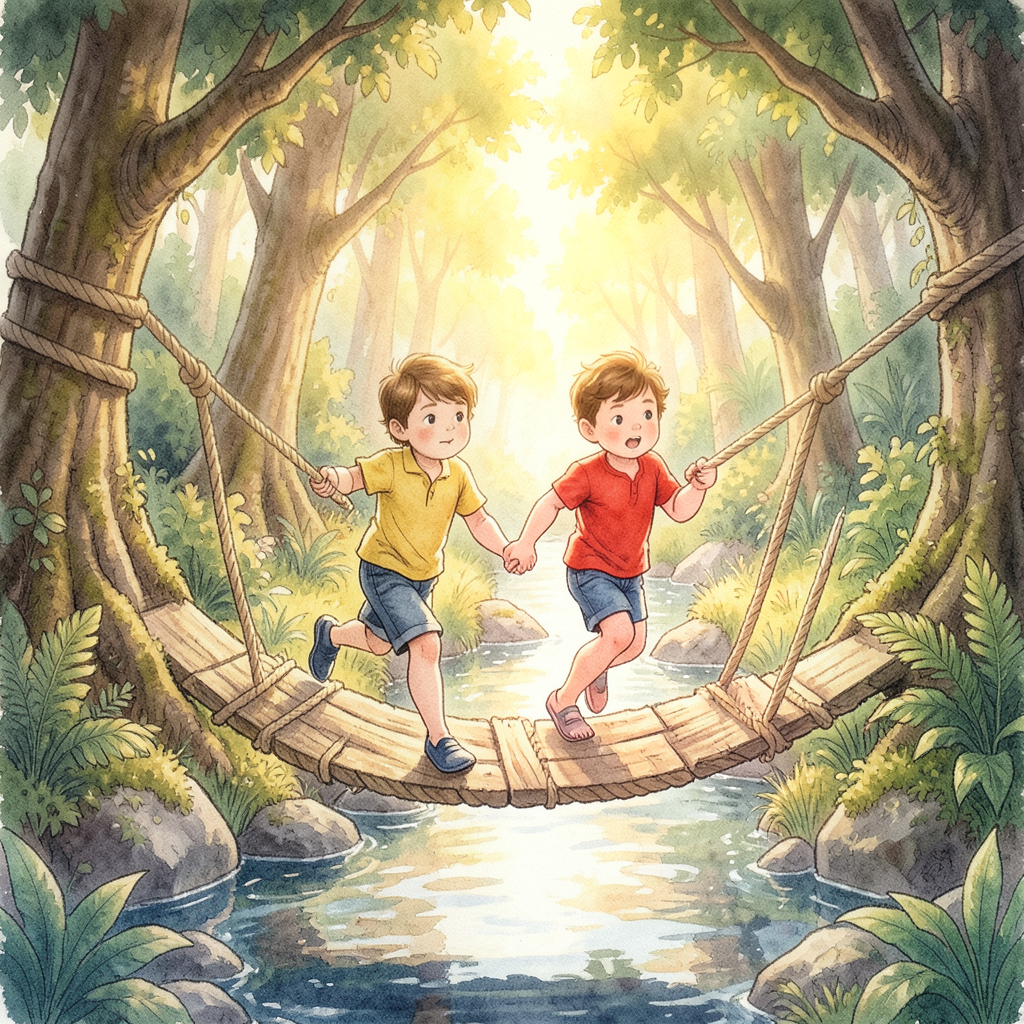
- Stephen is Nora's best friend and helps her even when he doesn't fully agree with her plan. What does that tell you about what a good friend looks like?
Content Notes for Parents
No violence, scary content, or mature themes. The main tension involves a child deliberately deceiving adults, which some parents may want to discuss explicitly as a values question even though the book treats it thoughtfully.
Frequently Asked Questions
What age is this book really appropriate for?
The publisher targets ages 8-12, and that range is accurate. Younger readers around 8-9 will enjoy the story and Nora's humor, while older readers 10-12 will pick up more of the systemic critique Clements is building. It reads quickly and the chapters are short, making it accessible for reluctant readers in that range too.
Is this book okay for kids who already struggle with school anxiety?
Generally yes, and in many cases it can be genuinely helpful. Nora's story validates the feeling that grades do not define worth, which can be reassuring. That said, parents of kids with significant school anxiety may want to read alongside them and check in, since the plot does involve a high-stakes school conflict that could feel stressful.
Nora lies to her teachers for years — should I be worried about the message that sends?
This is the most common concern parents raise, and it is a fair one. The book does portray Nora's deception sympathetically, and her motivations are understandable, but the story also shows real consequences when her plan unravels. It is an excellent opportunity to talk about the difference between understanding why someone does something and agreeing that it was the right choice.
What other books would my child like if they enjoyed this one?
Andrew Clements's own Frindle is the natural starting point if your child hasn't read it. For similar themes of kids pushing back against school systems, try Gordon Korman's No More Dead Dogs or Louis Sachar's Holes. For another quietly subversive protagonist, Katherine Applegate's Crenshaw has a similar emotional register.
Is there a sequel?
No, The Report Card is a standalone novel. Andrew Clements wrote many school-themed novels but did not continue Nora's story. Each of his books features different characters, so readers can move freely between his titles without needing to follow a series order.