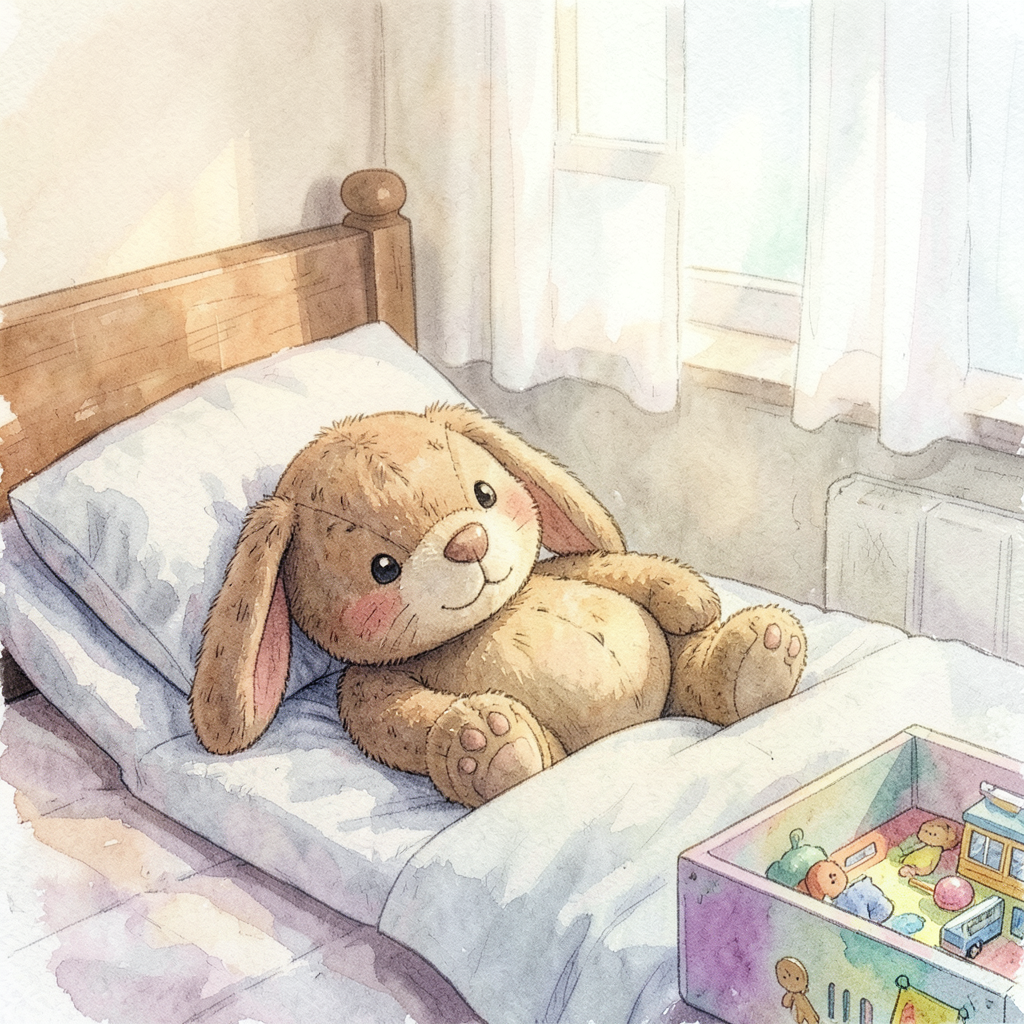
The Velveteen Rabbit
About This Book
A stuffed rabbit longs to become real through the love of a child. The wise Skin Horse explains that being loved — even until you're shabby and worn — is what makes a toy real. When the boy's love is tested by illness, the rabbit discovers what being real truly means.
Themes
LoveIdentityGrowing Up
Best For
- Children who have a deeply loved stuffed animal or comfort object
- Bedtime reading when you want a slower, more emotional story with a hopeful ending
- Introducing children to the idea that age and wear can be signs of love rather than damage
- Families navigating a child's illness or a period of change, where themes of resilience and transformation feel timely
- Children who are ready to graduate from simple picture books to slightly longer, more layered storytelling
Why Parents Love This Book
First published in 1922, The Velveteen Rabbit has outlasted countless children's books because it asks a question that never grows old: what does it mean to truly belong to someone? Margery Williams gives that question to a stuffed rabbit who wants nothing more than to be real, and the answer she offers — that love itself is the transforming force — lands differently at every age. Children hear a story about a beloved toy. Parents often find themselves quietly moved by the Skin Horse's worn, patient wisdom about what years of genuine affection look like. The book does not flinch: the rabbit gets old and shabby, the boy falls ill, and real loss enters the story before real magic does. That honesty is exactly why the book endures. William Nicholson's soft, warm illustrations keep the nursery world intimate and tangible, grounding even the most fantastical moments. It is a rare picture book that rewards rereading across decades.
Reading Tips for Parents
Read this one slowly, pausing at the Skin Horse's speech about becoming real — children will have questions, and those questions are worth sitting with. If your child has a beloved stuffed animal or comfort object, you can gently connect that toy to the story before you begin; it primes them to feel what the rabbit feels. The illness and the burning of the toys is genuinely sad, and some children under five may find it upsetting, so preview it first if your child is sensitive. After the first read, let the ending settle before jumping into discussion — the magic-to-real transformation benefits from a moment of quiet. For older children in the 6-7 range, try asking what the Skin Horse meant rather than explaining it yourself; their answers are often surprisingly rich.
Awards & Recognition
- Regarded as one of the most beloved children's classics of the 20th century and a perennial bestseller since its 1922 publication
- Frequently included on lists of the greatest children's books of all time, including by the School Library Journal and the American Library Association
Educational Value
This book helps children develop skills across multiple areas:
- Social-emotional: Explores how love, loyalty, and being seen by another person shape our sense of identity and belonging.
- Vocabulary: Introduces rich, slightly old-fashioned language — 'shabby,' 'splendid,' 'nursery,' 'velveteen' — that expands a child's reading range.
- Critical thinking: The Skin Horse's philosophy invites children to wrestle with abstract ideas like authenticity and what makes something 'real.'
- Empathy: Following the rabbit's longing and vulnerability builds a child's capacity to imagine another being's inner life.
- Literary awareness: Introduces classic narrative structure — longing, loss, and transformation — that recurs across many great stories children will encounter later.
Discussion Questions
Use these questions to spark conversation before, during, or after reading:
- Why does the Skin Horse say that being real is not about how you are made, but about something else? What do you think he means?
- The rabbit becomes shabby and worn by the end — do you think he is more beautiful or less beautiful than when he was new? Why?
- Do you have a toy or stuffed animal you love the most? What makes that toy special to you?
- How do you think the rabbit felt when he was left on the rubbish heap? Have you ever felt like something or someone forgot about you?
- At the very end, the rabbit becomes a real rabbit. Do you think the boy would recognize him if they met again?
Content Notes for Parents
The book includes a scene where the boy falls seriously ill and the rabbit, along with other toys, is ordered to be burned to prevent the spread of germs — this moment of apparent abandonment and loss may be distressing for sensitive children under five. There is no violence, but the emotional weight of illness, separation, and the destruction of a beloved toy is real and intentional.
Frequently Asked Questions
What age is The Velveteen Rabbit appropriate for?
The book is best suited for children ages 4 to 7. Younger children in the 4-5 range will enjoy the rabbit's longing and the warmth of the story, though the illness and toy-burning scene may need a gentle parental buffer. Children 6 and up are generally ready to sit with the sadder moments and benefit most from discussing the Skin Horse's ideas about what being real means.
Is this book too sad for young children?
It is emotionally honest rather than traumatizing, but it does include loss — a sick child, toys ordered to be burned, and a rabbit left alone on a rubbish heap. Many children find these scenes moving rather than frightening, especially because the ending is genuinely hopeful and redemptive. Preview the middle section if your child is particularly sensitive to themes of abandonment or illness.
How long does it take to read aloud?
A full read-aloud typically takes 20 to 30 minutes depending on pacing and how many pauses you take for questions. It works well split across two bedtime sessions — ending the first at the rabbit's happiest moment with the boy before the illness arc begins.
Are there other books similar to The Velveteen Rabbit?
Yes. Toy-comes-to-life themes appear in Winnie-the-Pooh by A.A. Milne and, for slightly older readers, in The Miraculous Journey of Edward Tulane by Kate DiCamillo, which covers very similar emotional ground about love and loss with a porcelain rabbit at its center. For a gentler, shorter companion read, Corduroy by Don Freeman explores a stuffed bear's longing to be loved and chosen.
Is the original 1922 version the same as modern editions?
The text is the same — Margery Williams's original prose has not been altered in reputable editions. Illustrations vary significantly by edition; William Nicholson's original soft watercolors have a quieter, more antique feel, while some modern reissues feature more colorful contemporary art. If you want the authentic experience, look for editions that preserve the original Nicholson illustrations.