Love You Forever
About This Book
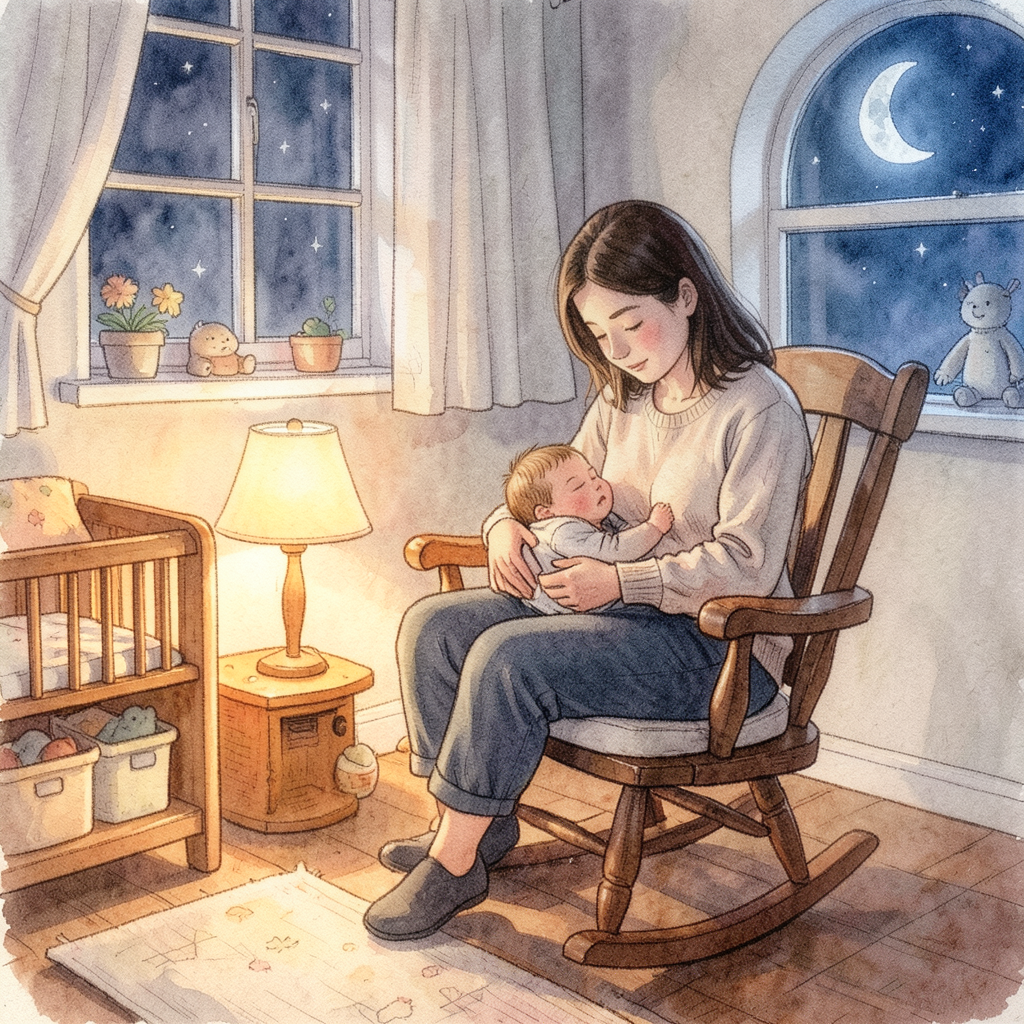
A mother holds her baby and sings a lullaby about loving him forever, through every stage of his life — as a messy toddler, a strange nine-year-old, and an independent teenager. When the mother grows old, the grown son holds her and sings the same song back.
Themes
LoveFamilyGrowing Up
Best For
- Parents who want to express the depth of their love in a way that transcends ordinary words
- Grandparent and grandchild reading sessions, where the intergenerational themes resonate deeply
- Children going through big transitions who need reassurance that parental love is permanent
- Older children aged 6-9 who are ready to engage gently with conversations about aging and family
- A quiet, meaningful bedtime ritual that grounds children in emotional security night after night
Why Parents Love This Book
Robert Munsch wrote Love You Forever after experiencing the loss of two stillborn children, and that grief and fierce parental love pour from every page. The book traces an entire lifetime in 32 pages: a mother rocking her infant son, creeping into his room as a nine-year-old, driving across town to hold her sleeping adult child, all while singing the same tender lullaby. What makes it endure across decades is the emotional honesty: parental love is not always pretty or convenient; it is stubborn, sometimes absurd, and completely unconditional. The final reversal, where the grown son cradles his now-frail mother and sings her song back to her, catches parents completely off guard. Few children's books speak simultaneously to the child in your arms and to the child you once were. First published in 1986, it has sold over 30 million copies worldwide and remains one of the best-selling picture books of all time.
Reading Tips for Parents
This book will likely make you cry, especially if you read it after becoming a parent yourself. Lean into that: children find it meaningful when adults show emotion over books, and it opens natural conversations about how deeply parents love their children. The lullaby refrain is genuinely singable; try making up a simple tune and repeating it each time you reach that text. Older children aged 6-8 may ask direct questions about the mother's decline at the end. Answer honestly and simply. For very young children, the later pages may feel abstract, but the sense of safety and permanence in the repeated song comes through clearly regardless of age.
Awards & Recognition
- New York Times Bestseller, among the longest-running bestselling picture books in publishing history
- Over 30 million copies sold worldwide, one of the best-selling children's books ever published
- Frequently named to lists of the most beloved picture books of the 20th century by librarians and educators
- Robert Munsch received the Order of Canada in 2014 partly for his contributions to children's literature
Educational Value
This book helps children develop skills across multiple areas:
- Social-emotional: Explores the unconditional nature of parental love and helps children feel secure in that permanence across all the changes of growing up.
- Life cycles: Gently introduces the concept that people age and change over time, opening age-appropriate conversations about growing older.
- Empathy: The story shifts perspective from son to mother and back again, helping children practice taking multiple viewpoints within a single story.
- Language arts: The repeating lullaby refrain builds memory, rhythm recognition, and early phonological awareness through natural repetition.
- Family relationships: Models intergenerational care and the way love flows in both directions between parents and children across a lifetime.
Discussion Questions
Use these questions to spark conversation before, during, or after reading:
- How does the little boy change as he grows older in the book? What stays the same?
- Why do you think the mother keeps singing the same song to her son even when he is all grown up?
- How do you think the son felt when he sang the song back to his own mother at the end?
- Has anyone in your family ever done something that showed they loved you even when you were being difficult?
- If you wrote a lullaby for someone you love, what would it say?
Content Notes for Parents
The book's final pages show the mother as elderly and frail, and the son weeping while holding her, which implies her death is near. This is handled with tenderness rather than graphic detail, but sensitive children may find it sad and ask questions about death and aging. Parents who have experienced recent loss may find this book particularly emotional. For children aged 4-6, these themes often pass without deep concern; for ages 7-9, expect meaningful questions worth engaging thoughtfully.
Frequently Asked Questions
Is this book appropriate for young children given the themes of aging and death?
The book handles these themes with considerable gentleness. The mother's frailty is shown but her death is never stated explicitly. For children aged 4-6, most of the emotional weight lands on the love and security rather than loss. For children aged 7 and up, it can be a meaningful, age-appropriate entry point for conversations about the cycle of life. Use your knowledge of your own child's sensitivity as your guide.
Why does this book make so many parents cry?
Robert Munsch wrote it while grieving the loss of two stillborn children, and that raw love infuses every page. For parents, the book works on two levels simultaneously: it speaks to the love you feel for your child and to the love your own parents felt for you. The final reversal, when the grown son holds his frail mother, collapses both perspectives at once, which is genuinely moving for most adults who encounter it.
My child keeps asking if I will always love them after reading this. How should I respond?
That is exactly the conversation the book is designed to start. Simply and directly: yes, I will always love you, no matter what. You can even sing or say the lullaby from the book back to them. This is one of the book's greatest gifts: it gives children a concrete, memorable anchor for the idea of unconditional parental love.
What books are similar to Love You Forever?
Guess How Much I Love You by Sam McBratney is a gentler, lighter exploration of parent-child love ideal for younger children. On the Night You Were Born by Nancy Tillman has a similar sense of cosmic, permanent love. The Invisible String by Patrice Karst addresses the permanence of love even across separation. For older children ready for more depth, The Velveteen Rabbit touches on similar themes of love that transforms and endures.