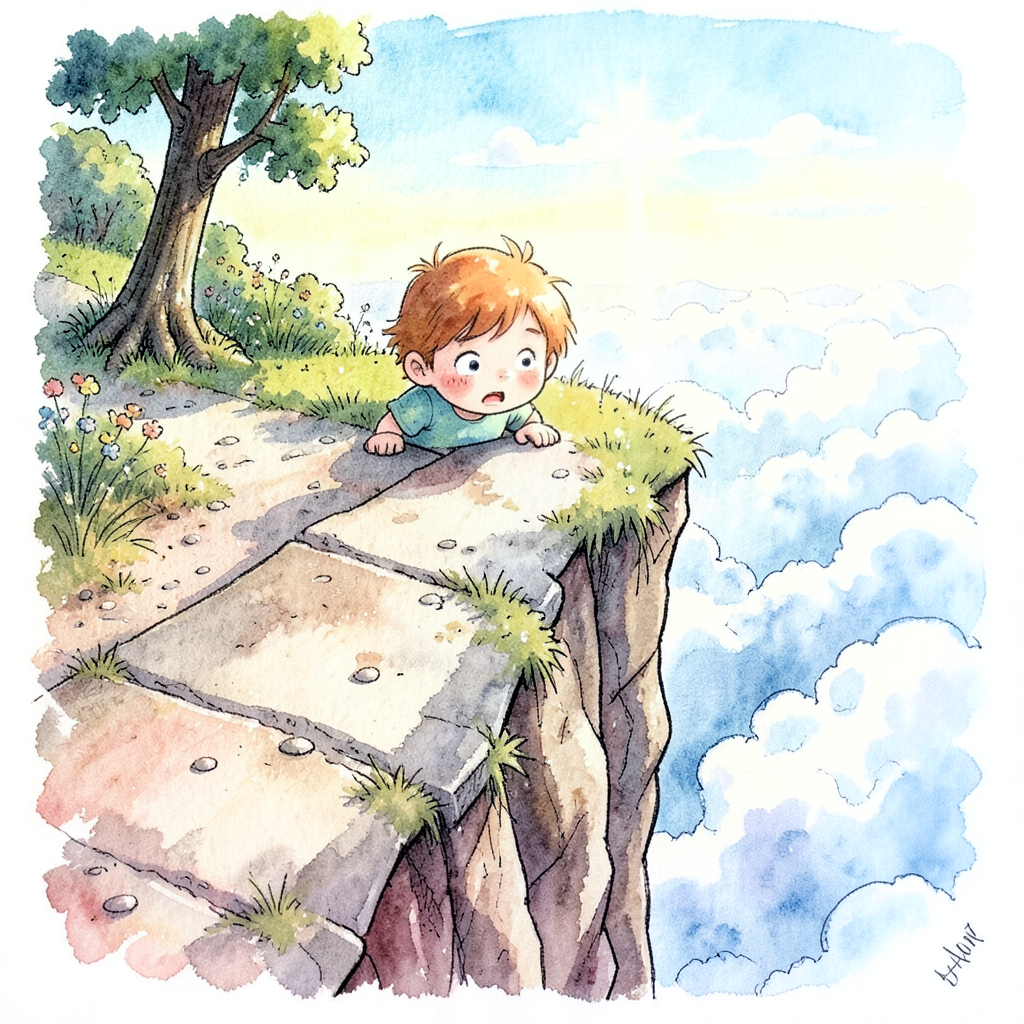
Where the Sidewalk Ends
About This Book
This beloved poetry collection features over 100 poems and drawings that range from the silly to the profound. From a girl who eats a whale to a boy who turns into a television set, Silverstein's irreverent humor and playful illustrations capture the wild imagination of childhood.
Themes
ImaginationHumorPoetry
Best For
- Reluctant readers who resist longer books but will happily read one short poem
- Bedtime routines where you want something light and fun without a long narrative
- Long car trips or waiting rooms where short bursts of reading work best
- Children who love humor and need to see that books can be genuinely funny
- Sparking an interest in creative writing or poetry in school-age children
Why Parents Love This Book
Where the Sidewalk Ends has earned its place as one of the most beloved children's poetry collections of all time for one simple reason: Shel Silverstein understood children completely. His poems never talk down to kids. They celebrate the logic of childhood — the conviction that a messy room is actually an ecological disaster, that wearing someone else's shoes might literally change your perspective, that a dragon might just need a dentist. The drawings are inseparable from the words, rendered in Silverstein's scratchy, expressive pen-and-ink style that feels like a kid's own doodles brought to brilliant life. What makes this collection truly special is its range: one poem will make a seven-year-old collapse with laughter, and the next will leave them quietly thoughtful. Poetry can feel intimidating, but Silverstein makes it feel like the most natural form of expression in the world. Fifty years after publication, these poems still land with the same joyful force.
Reading Tips for Parents
Don't read this book cover to cover in one sitting — it works best as a poem or two at a time, dipped into before bed, during a car ride, or whenever you have five spare minutes. Let your child pick which poem to read next; the table of contents with its whimsical titles ("Sarah Cynthia Sylvia Stout Would Not Take the Garbage Out") is half the fun. Pause after funny poems to let laughter land before moving on. For older children in the age range, encourage them to try writing their own nonsense poem modeled on a favorite. Reading these aloud with exaggerated voices dramatically increases enjoyment — Silverstein's rhythms were built for performance. Keep the book somewhere accessible so kids can flip through it independently; many children memorize their favorite poems naturally.
Awards & Recognition
- New York Times Outstanding Book of the Year (1974)
- International Reading Association Children's Choice Award
- Ranked among the best-selling children's poetry books of all time, with over 20 million copies sold worldwide
Educational Value
This book helps children develop skills across multiple areas:
- Poetry and phonics: Silverstein's strong rhyme and meter make sound patterns in language concrete and memorable, building phonemic awareness naturally.
- Vocabulary: Invented words and unusual phrasing encourage children to think flexibly about language and ask what words mean in context.
- Creative writing: The poems model that poetry can be about anything — mundane frustrations, wild fantasies, or small observations — lowering the barrier for children's own writing.
- Social-emotional: Poems about feelings like loneliness, silliness, and defiance validate children's inner lives and show that emotions can be expressed through art.
- Critical thinking: The absurdist logic in many poems invites children to question assumptions and follow ideas to their comic conclusions.
- Humor literacy: Children learn to recognize wordplay, irony, and comic timing as forms of sophisticated thinking, not just silliness.
Discussion Questions
Use these questions to spark conversation before, during, or after reading:
- If you could visit the place where the sidewalk ends, what do you think you would find there?
- Which poem was your favorite and what made it funny or interesting to you?
- Shel Silverstein drew all the pictures himself to go with his poems. How do the drawings change the way the poems feel?
- Some poems in this book are silly and some are a little more serious. Can you think of one of each? Which kind do you like better?
- If you were going to write a poem about something in your own life, what would you pick?
Content Notes for Parents
There are no scary, violent, or mature themes in this collection. A handful of poems deal with mild childhood fears or gross-out humor (garbage piles, eating strange things) that most children find funny rather than upsetting.
Frequently Asked Questions
What age is this book actually appropriate for?
The collection spans a wide range — simpler, sillier poems work well for ages 4-7 read aloud by a parent, while many poems reward independent readers ages 7-12 who can catch more of the wordplay. Teenagers and adults regularly revisit it. There is genuinely something for every age, which is part of why it has stayed in print for over 50 years.
Is there anything in this book I should know about before reading it with young children?
The content is overwhelmingly lighthearted and child-friendly. A few poems feature mild gross-out humor — garbage, messy eating, and the like — that children typically find hilarious. There is nothing violent, frightening, or mature. It is a very safe choice for young readers.
My child isn't into poetry. Will they actually like this?
This is one of the most common entry points for children who claim to dislike poetry, because Silverstein's poems read more like jokes or tiny stories than what most kids picture when they hear the word 'poetry.' Start with 'Sarah Cynthia Sylvia Stout' or 'Sick' and let their reaction guide you. Most reluctant readers are won over within two or three poems.
Are there other books like this one?
Silverstein's own follow-up collections A Light in the Attic and Falling Up have a very similar feel and are equally beloved. For a different voice with similar wit, Jack Prelutsky's The New Kid on the Block is a strong companion. Ogden Nash's collected poems work well for slightly older children who enjoy clever wordplay.
How should I use this book — read it straight through or dip in and out?
Dipping in and out works far better than reading straight through. The table of contents lists every poem by its title, and letting your child choose which title sounds most interesting builds excitement and gives them ownership of the reading experience. Many families keep a copy in the car or on a nightstand and read one or two poems at a time over months or years.