
Alma and How She Got Her Name
About This Book
Alma Sofia Esperanza José Pura Candela thinks her name is too long — but as her father tells her the story behind each name, she discovers she carries with her the courageous, curious, artistic spirit of all the family members who came before. A Caldecott Honor book celebrating heritage, family history, and the pride of a full name.
Themes
IdentityFamily HistoryHeritage
Best For
- Children who feel self-conscious about having a long, unusual, or hard-to-pronounce name
- Family read-alouds that spark conversations about grandparents and ancestry
- Classroom introductions to heritage and identity at the start of the school year
- Bilingual households or families with Latin American roots looking for cultural mirror books
- Grandparent-grandchild reading sessions where elders can share their own name stories
Why Parents Love This Book
Alma and How She Got Her Name is a quiet, luminous book that turns something as ordinary as a name into a window onto generations of family history. Juana Martinez-Neal's story begins with a familiar childhood frustration — Alma thinks her name is simply too long — and then unspools it into something magical. As her father explains each name in turn (Sofia, Esperanza, José, Pura, Candela), a distinct ancestor comes to life: a bookworm, a painter, a dreamer. Martinez-Neal's illustrations, drawn in soft pencil and colored pencil on textured paper, have a warm, handmade quality that perfectly mirrors the feeling of old photographs and inherited stories. By the end, Alma no longer wishes her name were shorter. She understands it is a gift. This book works beautifully for any child who has ever felt their name was strange, hard to spell, or hard to say — and for any parent who wants to begin a conversation about where the family came from and who came before.
Reading Tips for Parents
Before reading, ask your child if they know why they were given their name. This primes them for the story and makes the central question feel personal. As you read each section, slow down and look at the illustrations together — Martinez-Neal embeds small visual details (a book, a paintbrush, a globe) that hint at each ancestor's personality before the words confirm it. After finishing, consider sharing the real story behind your child's name, or the names of grandparents and great-grandparents. If your family has a heritage different from the book's Peruvian-American setting, this is an excellent opportunity to draw parallels. For children who are adopted or have a blended family history, adapt the conversation gently — names can carry many kinds of meaning beyond blood.
Awards & Recognition
- Caldecott Honor Book, 2019
- Pura Belpré Illustrator Award, 2019
Educational Value
This book helps children develop skills across multiple areas:
- Social-emotional learning: Helps children work through feelings of embarrassment or difference and arrive at self-acceptance and pride in their identity.
- Family history: Introduces the concept of ancestors and generational storytelling in a concrete, child-friendly way.
- Vocabulary: Exposes beginning readers to Spanish names and words in context, naturally expanding bilingual awareness.
- Reading comprehension: The episodic structure — one name, one ancestor, one trait — is an excellent model for sequencing and retelling.
- Cultural awareness: Grounds children in Latin American family traditions and naming customs, broadening understanding of diverse cultures.
- Writing readiness: Inspires follow-up activities where children write or draw their own 'name stories,' connecting literacy to personal identity.
Discussion Questions
Use these questions to spark conversation before, during, or after reading:
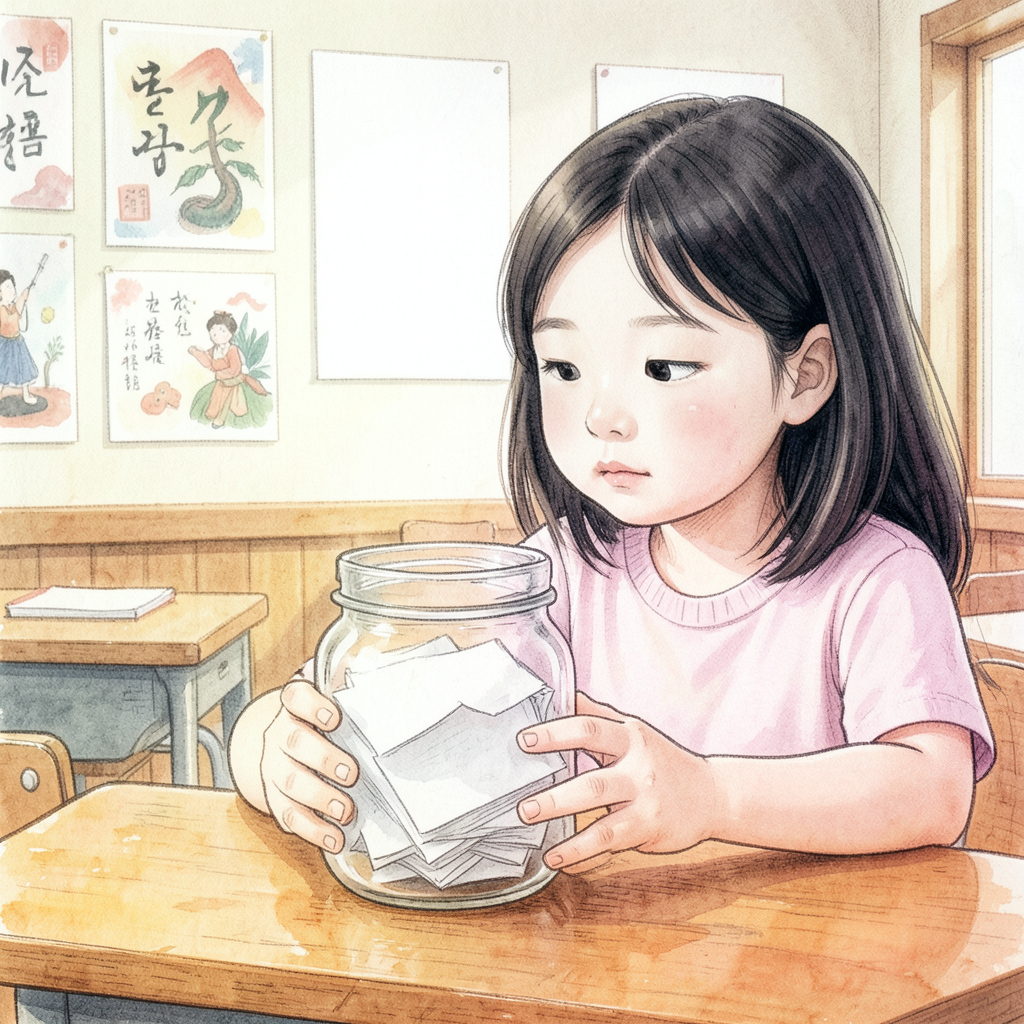
- Why did Alma feel embarrassed about her name at the start of the story? Have you ever felt that way about your own name?
- Which of Alma's relatives did you find most interesting, and why?
- How did Alma feel at the end of the book compared to the beginning? What changed for her?
- If you could add one more name to your name — from anyone in your family or anyone you admire — whose name would you choose?
- Alma's father says her name is a story. What story do you think your own name tells?
Content Notes for Parents
There are no scary, violent, or upsetting elements in this book. A few ancestors are implied to have passed away, but this is handled gently and is not a focus of the story.
Frequently Asked Questions
What age is this book best suited for?
The publisher recommends ages 4 to 8, and that range holds up well in practice. Younger children (4-5) will enjoy the warm illustrations and the rhythm of each name being revealed. Older children (6-8) will better grasp the emotional arc and can engage more deeply with questions about ancestry and identity.
Is this book only for Latino or Spanish-speaking families?
Not at all. While the story is rooted in a Peruvian-American family, the central theme — that a name carries family history and meaning — is universal. Families from any background can use this book as a starting point to discuss their own naming traditions and ancestors.
Are there any difficult or sad moments I should prepare my child for?
The book is gentle throughout. Some ancestors are referenced in past tense, implying they are no longer alive, but the tone is celebratory rather than mournful. Most children ages 4 and up will not find these references upsetting.
What books are similar to this one if my child loved it?
Try 'The Name Jar' by Yangsook Choi for another name-identity story, or 'Last Stop on Market Street' by Matt de la Peña for a similarly warm intergenerational picture book. For more Juana Martinez-Neal, look for 'Fry Bread' which she illustrated.
Can this book be used in a classroom setting?
Yes, it is a popular classroom read, especially for kindergarten through second grade. It pairs naturally with a 'my name' writing activity, a family interview project, or a unit on communities and belonging. The episodic structure also makes it easy to revisit one section at a time.