Islandborn
About This Book
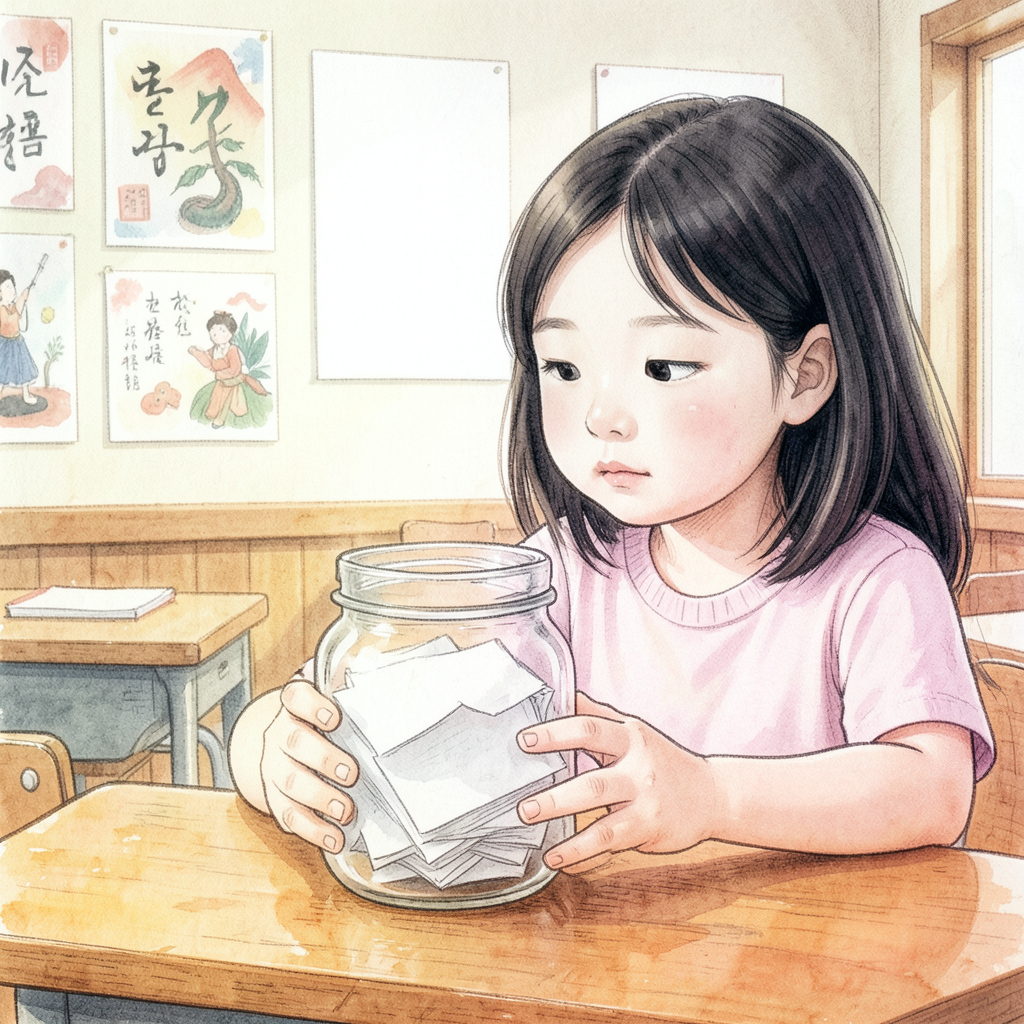
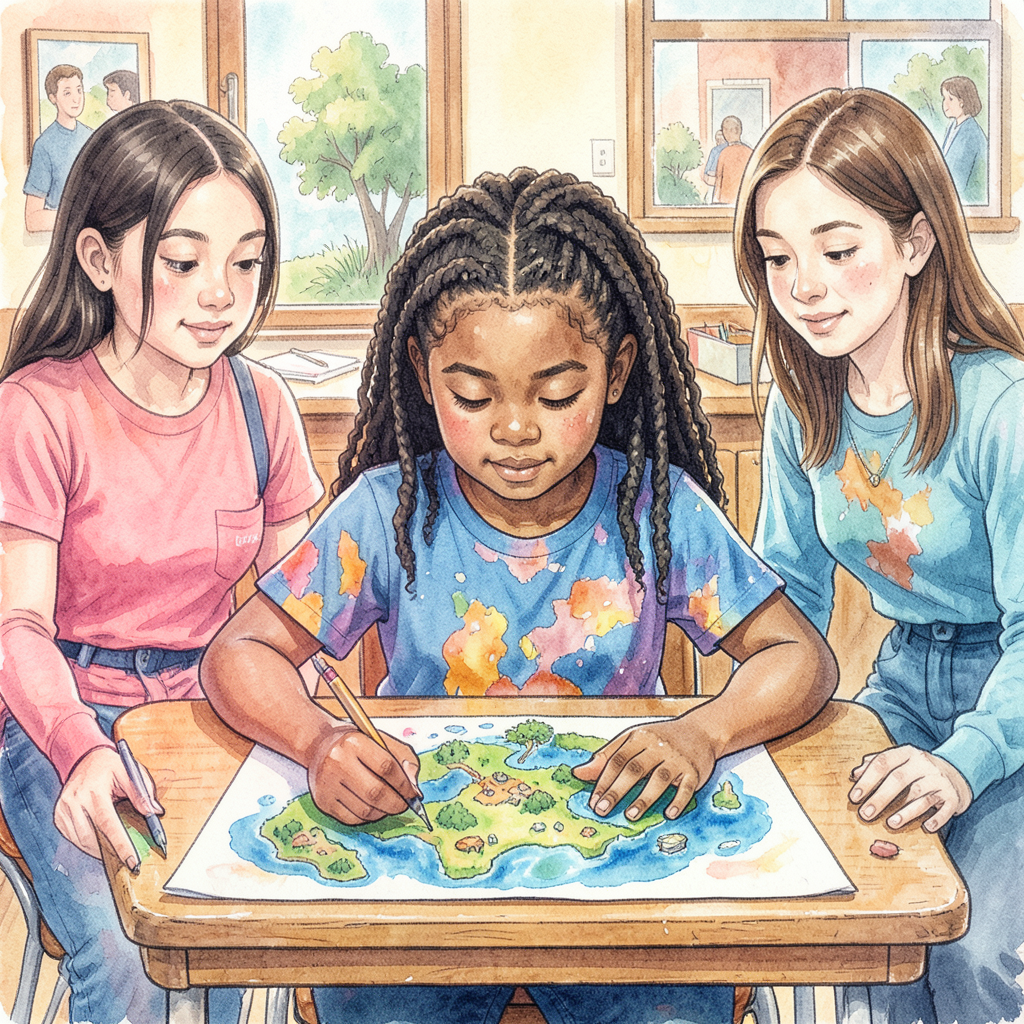
Lola is the only kid in her class who was not born in New York — she was born on The Island. When her teacher asks everyone to draw their first home, Lola sets off through her neighbourhood to collect memories from everyone who still carries The Island inside them. A vibrant, magical story about diaspora, memory, and belonging across distance.
Themes
HeritageImmigrationIdentity
Best For
- Children who have moved between countries or feel caught between two cultures
- Classroom read-alouds during units on community, heritage, or immigration
- Families who want to open a conversation about their own roots and family history
- Children who love art-rich picture books that reward repeated close looking
- Grandparent–grandchild reading sessions where the elder can share their own place-memories alongside the story
Why Parents Love This Book
Islandborn does something rare in picture books: it treats memory as a community act. Lola cannot remember the Island she was born on, so she walks her New York neighborhood asking the adults around her to share their memories — and in doing so, she gathers a living, breathing mosaic of a place she has never consciously known. Junot Díaz, the Pulitzer Prize-winning novelist, writes with warmth and an ear tuned to the rhythms of immigrant families, while Leo Espinosa's bold, kaleidoscopic illustrations bring The Island alive in vivid color and joyful detail. What makes the book enduring is its emotional honesty: Lola's longing is real, but so is her sense of possibility. The story affirms that identity is not only what you remember firsthand — it is also what your community carries for you. For any child who has felt between worlds, this book is a mirror; for children who haven't, it opens a generous, specific window.
Reading Tips for Parents
Before reading, ask your child what they know about where your family comes from — this primes them to connect personally with Lola's quest. As you read, slow down on the double-page spreads and invite your child to describe what they see; Espinosa's illustrations contain details Díaz's text does not spell out, making them a conversation in themselves. After the story, try the same activity Lola's teacher assigns: ask your child to draw their own "first home" or a place that feels important to them, then share your own. If your family has immigrant roots, this is a natural opening to tell stories your child may not have heard. For children who were adopted or who have moved frequently, the book's message — that identity is built from community memory, not just personal recall — can be especially meaningful and reassuring.
Awards & Recognition
- Pura Belpré Illustrator Award Honor (2019)
- New York Times Notable Book (2018)
Educational Value
This book helps children develop skills across multiple areas:
- Vocabulary: Introduces rich words related to memory, community, and geography in natural context — words like 'diaspora' and 'homeland' become approachable through Lola's specific, concrete quest.
- Social-emotional learning: Explores feelings of not fully belonging anywhere and shows how sharing stories builds connection and eases longing.
- Cultural awareness: Offers children an authentic, joyful look at Caribbean immigrant community life and the way culture travels across generations.
- Oral language: The book's structure — Lola interviewing neighbors — models active listening and questioning as ways to learn about the world.
- Art appreciation: Leo Espinosa's layered, collage-influenced illustrations reward close looking and can inspire children's own mixed-media art projects.
- Writing/narrative: Demonstrates that stories can be assembled from many voices, a useful concept for early writers learning that research and interviewing are creative acts.
Discussion Questions
Use these questions to spark conversation before, during, or after reading:
- Why can't Lola remember The Island, and how does that make her feel at the start of the story?
- Lola asks lots of different neighbors for their memories. Which memory that someone shares would you most want to visit, and why?
- The teacher asks everyone to draw their first home. What would YOU draw if your teacher gave you the same assignment?
- By the end, Lola feels like she knows The Island even though she has never really seen it. How is that possible?
- Why do you think so many people in Lola's neighborhood still carry The Island inside them?
Content Notes for Parents
One neighbor's memory alludes to a frightening creature or monster associated with The Island, presented in an age-appropriate but visually dramatic way that some sensitive children may find briefly unsettling. There are no other content concerns; the overall tone is joyful and affirming.
Frequently Asked Questions
What age range is Islandborn best suited for?
The book is written for ages 4 to 7 and works beautifully as a read-aloud for preschool through early elementary. The text is accessible, but the emotional themes — longing, memory, identity — also resonate strongly with children up to age 9 or 10, especially those with personal connections to immigration or cultural duality.
Is there anything scary in the book?
One illustration depicts a large, fantastical creature from Island folklore as described by a neighbor. It is presented within a clearly imaginative frame and most children find it exciting rather than frightening, but parents of sensitive readers may want to preview that spread. The rest of the book is warm and celebratory in tone.
Do I need to be from the Caribbean or have an immigrant background for this book to resonate with my child?
Not at all. The specific setting makes the story vivid and authentic, but the core experience — wondering where you come from and feeling like you don't fully fit — is universal. Children who have simply moved neighborhoods, or whose grandparents live far away, often connect deeply with Lola's quest.
How can I use this book in a classroom setting?
The book works exceptionally well as an anchor text for a community or heritage unit. After reading, teachers can assign Lola's original homework — draw your first home — and pair it with an interview activity where students ask a family member to describe a meaningful place. The structure of the book itself teaches children that gathering perspectives is a form of storytelling.
Are there similar books I could read alongside Islandborn?
Good companion titles include 'Last Stop on Market Street' by Matt de la Peña for another urban community story with warmth and art-richness, 'The Proudest Blue' by Ibtihaj Muhammad for another identity-affirming picture book, and 'Each Kindness' by Jacqueline Woodson for exploring belonging and community. For slightly older readers, Díaz's own essays offer a bridge to his more adult work.