Because of Winn-Dixie
About This Book
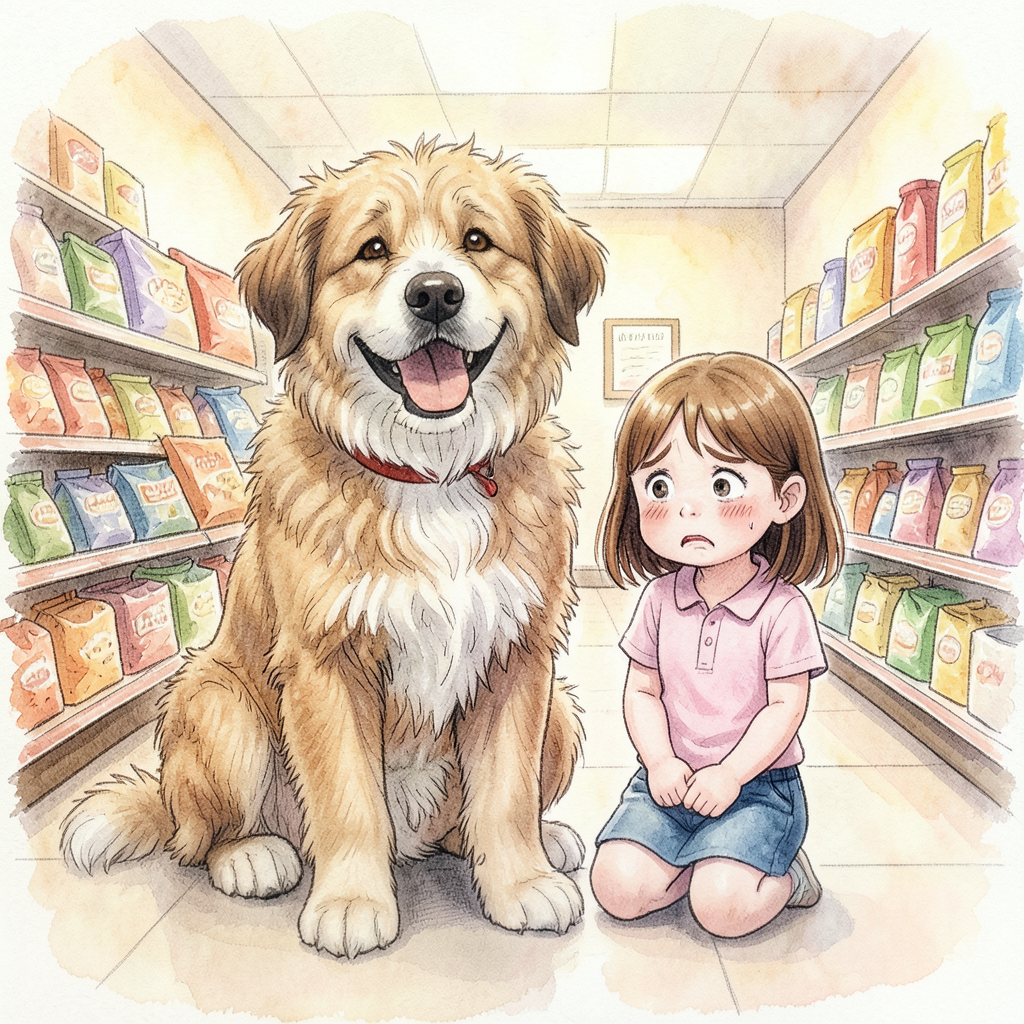
Ten-year-old Opal moves to a small Florida town with her preacher father, missing the mother who left when she was three. When she adopts a scruffy dog she names Winn-Dixie, his friendly nature helps her make unexpected friends and come to terms with her mother's absence.
Themes
FriendshipBelongingFamily
Best For
- Children who have experienced a parent's absence, divorce, or family change and need a story that validates those feelings
- Dog lovers ready to move from picture books to chapter books
- Classroom read-alouds for grades 3-5 exploring community and belonging
- Children who have recently moved and are navigating making new friends in an unfamiliar place
- Family read-aloud sessions where parents and children want to explore big emotions together in a gentle, non-threatening way
Why Parents Love This Book
Because of Winn-Dixie endures because it does something rare: it lets a child carry real grief without diminishing it. Ten-year-old Opal misses a mother she barely remembers, and DiCamillo refuses to wrap that loss in easy comfort. Instead, a stray, gap-toothed dog named after a Florida grocery store becomes the unlikely catalyst for an entire community to open up. One by one, lonely people in Naomi, Florida — a gruff pet-store owner, an almost-blind librarian, a neighborhood outcast — reveal their own heartaches to Opal, and she realizes that sorrow is not something she carries alone. The prose is spare and warm at the same time, the Southern setting feels lived-in, and Winn-Dixie himself is one of children's literature's most irresistible dogs. Most of all, the book trusts young readers to sit with ambiguity: Opal's mother never comes back, and that is okay. That quiet honesty is what keeps this 2001 Newbery Honor book on shelves more than two decades after publication.
Reading Tips for Parents
Read this aloud together even if your child is a capable independent reader — DiCamillo's rhythm rewards hearing. Expect conversation about the absent mother early; pause at chapter five when Opal lists the ten things she knows about her mom, and ask your child what they would put on their own list. Some chapters end on emotional cliffhangers (the lost dog sequence near the end is genuinely tense), so bedtime reading may need an extra chapter to land somewhere settled. The novel is short at around 180 pages and chapters are brief, making it ideal for 20-minute nightly sessions over two weeks. Consider pairing it with a trip to your local library or animal shelter to extend Opal's world into your child's own life.
Awards & Recognition
- Newbery Honor Book, 2001 (American Library Association)
- New York Times Bestseller
Educational Value
This book helps children develop skills across multiple areas:
- Social-emotional learning: Models healthy grief processing — Opal shows children that missing someone who is absent is valid, and that community can help carry that weight.
- Vocabulary: Rich Southern dialect and literary words (preacher, peculiar, melancholy, sorrow, congregation) expand language in context, making them easy to absorb.
- Character analysis: Each supporting character has a distinct backstory that rewards close reading and inference, building skills in understanding motivation and perspective.
- Empathy and perspective-taking: Opal repeatedly listens to adults share their pain, demonstrating that empathy across generations creates real connection.
- Story structure: The novel's episodic chapter structure is an accessible model for young writers learning how to build a longer narrative around a central theme.
- Cultural and regional awareness: The small-town Florida setting introduces readers to Southern community life, a public library as social hub, and a church community's role in a neighborhood.
Discussion Questions
Use these questions to spark conversation before, during, or after reading:
- Opal makes a list of ten things she knows about her mother even though she barely remembers her. Why do you think making that list was important to her?
- Winn-Dixie helps Opal make friends she never expected. Has a pet, a hobby, or an object ever helped you connect with someone new?
- Almost every character in Naomi carries a sadness they have been hiding. Why do you think it was easier for people to open up to Opal than to talk to each other before she arrived?
- The Littmus Lozenge candy tastes sweet but also like sadness. What do you think Kate DiCamillo meant by that? Can you think of something in your own life that mixes happy and sad feelings?
- At the end of the story, Opal decides she can stop waiting for her mother and still love her. Do you think that was a hard decision? What helped her get there?
Content Notes for Parents
The central emotional thread involves parental abandonment — Opal's mother left the family when Opal was three, and this loss is discussed openly and repeatedly throughout the book. There is also a tense scene near the end where Winn-Dixie goes missing during a storm, which may be stressful for children who are deeply attached to pets; the situation resolves safely.
Frequently Asked Questions
What age is Because of Winn-Dixie best for?
The book is generally recommended for ages 8 to 12 and is a popular classroom text in grades 3 through 5. Confident readers as young as 7 can enjoy it independently, but the emotional themes around parental absence resonate most with children who have a little more life experience. It also works beautifully as a family read-aloud for younger children when a parent is present to guide conversation.
Is the content too sad or heavy for sensitive kids?
The book deals honestly with loss and longing, particularly around Opal's absent mother, and includes a stressful scene where Winn-Dixie goes missing. However, DiCamillo handles these moments with warmth rather than despair, and the story ultimately ends on a note of hope and community. Sensitive children may need a parent nearby for the missing-dog sequence, but the emotional tone throughout is gentle rather than overwhelming.
My child has never lost a pet or dealt with family change — will they still connect with this story?
Absolutely. While children navigating family change often find the book especially meaningful, Opal's desire to belong and make friends is universal. The humor of Winn-Dixie's personality, the colorful cast of Naomi residents, and the short snappy chapters keep readers engaged regardless of their personal circumstances.
Are there similar books I can suggest after this one?
Kate DiCamillo's other novels are natural next steps — The Tiger Rising deals with similar themes of grief and hidden feelings, and The Miraculous Journey of Edward Tulane is a beautiful companion for emotionally mature readers. Outside DiCamillo, Shiloh by Phyllis Reynolds Naylor shares the boy-and-his-dog emotional core, and Charlotte's Web handles love and loss with comparable gentleness.
Is there a movie version, and is it appropriate?
Yes, a 2005 film adaptation directed by Wayne Wang received a PG rating and closely follows the novel's plot. Most parents find it a suitable companion to the book for ages 6 and up. Watching the film after reading is a great opportunity to discuss what was added, removed, or changed, making it a natural extension of the literary experience.