The BFG
About This Book
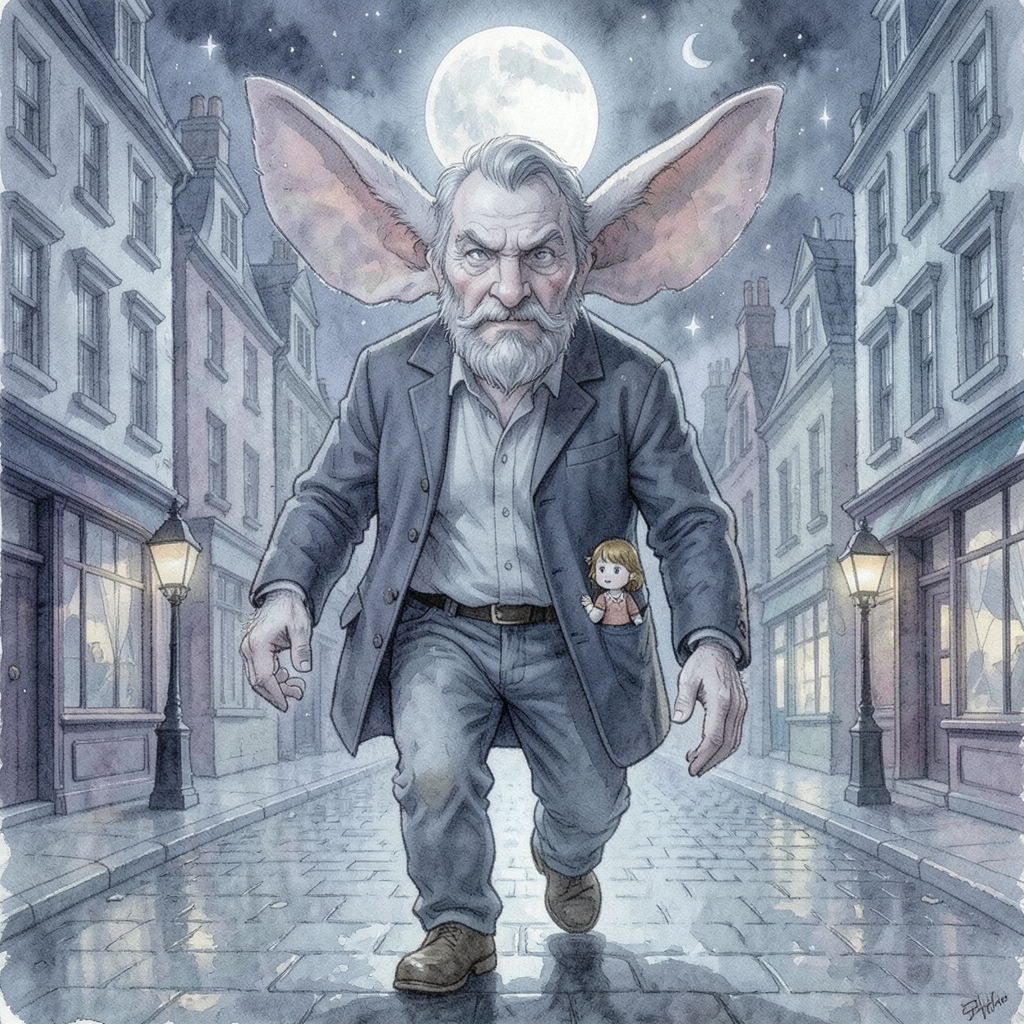
Sophie is snatched from her bed by the Big Friendly Giant, who catches dreams and blows them into children's bedrooms. Unlike the other giants who eat children, the BFG is gentle and kind. Together, Sophie and the BFG devise a plan with the Queen of England to stop the man-eating giants.
Themes
FriendshipCourageImagination
Best For
- Children who love wordplay, made-up languages, and linguistic silliness
- Reluctant readers who respond to humor and absurdity over realistic fiction
- Family read-alouds for ages 6 and up with an adult reading the BFG's voice dramatically
- Children who feel like outsiders and respond to stories about unlikely friendships
- Classroom units on creative writing, invented language, or author studies of Roald Dahl
Why Parents Love This Book
The BFG has enchanted readers since 1982 for one simple reason: it makes children feel that being different — even enormous and odd — is something to celebrate. Roald Dahl gives us a giant who refuses to eat people when all the other giants do, choosing dreams and friendship over cruelty. That quiet moral courage is woven into every page without ever feeling preachy. The invented language — "whizzpopping," "snozzcumbers," "frobscottle" — is pure linguistic delight, giving young readers permission to play with words the same way the BFG plays with dreams. Quentin Blake's scratchy, energetic illustrations perfectly capture both the scale of Giant Country and the smallness of Sophie perched in the BFG's enormous hand. The audacious set-piece where Sophie and the BFG visit the Queen of England brings the story to a wonderfully absurd and satisfying conclusion. This is a book about unlikely partnerships, about kindness coexisting with power, and about children who take big problems seriously enough to actually solve them.
Reading Tips for Parents
The BFG works beautifully as a read-aloud even though it is squarely in independent-reader territory. When reading aloud, lean into the BFG's mangled speech — mispronouncing words and self-correcting mid-sentence gets big laughs and naturally opens a conversation about language. Plan to pause after Chapter 5 (when the man-eating giants are first introduced) to check in with sensitive readers, as the giants eating children is played for dark comedy but can startle younger listeners. A good prompt: "These giants are pretty scary — what do you think makes the BFG different from them?" The dream-catching scenes in the middle third of the book are slower; keep kids engaged by asking them what dream they would want the BFG to catch for them. The Queen of England chapters reward re-reading once children have picked up the BFG's verbal patterns.
Awards & Recognition
- New York Times Notable Book
- Adapted into a major Disney/Spielberg film (2016), reflecting decades of enduring popularity
Educational Value
This book helps children develop skills across multiple areas:
- Vocabulary: Dahl's invented words (whizzpopping, snozzcumbers, frobscottle, gloriumptious) model word-formation and morphology, encouraging children to invent their own words and understand how language evolves.
- Reading Comprehension: The story's shifting settings — an orphanage, Giant Country, Buckingham Palace — require readers to track characters across different contexts and keep multiple plot threads in mind.
- Social-Emotional: The friendship between Sophie and the BFG explores how trust is built between very different beings, and how empathy can override fear of the unfamiliar.
- Creative Writing: The dream-catching concept is a rich prompt for original writing; children naturally want to design their own dreams after reading the Dream Country chapters.
- Critical Thinking: Children must weigh the moral choice the BFG faces — why not eat people when every other giant does? — which is an accessible entry point for discussing peer pressure and personal ethics.
- History and Culture: The Buckingham Palace sequences introduce children to the British monarchy in a playful, low-pressure context that can spark broader curiosity.
Discussion Questions
Use these questions to spark conversation before, during, or after reading:
- Why do you think the BFG refuses to eat children even though all the other giants do? What does that tell us about him?
- The BFG speaks in a jumbled, invented way — words mixed up and made up. Why do you think Roald Dahl wrote him like that? Does it make you like the BFG more or less?
- If the BFG could catch any dream and blow it into your room tonight, what dream would you want? What dream would you NOT want?
- Sophie is just one small girl but she helps solve a huge problem. Have you ever felt too small or too young to make a difference? What happened?
- The Queen of England believes Sophie and the BFG right away. Do you think most adults would? Why or why not?
Content Notes for Parents
The man-eating giants consume children and this is described with Dahl's characteristic dark humor — it is played for comedy rather than horror, but sensitive children aged 7 and under may find the concept genuinely frightening. There is no strong language, sexual content, or graphic violence; the tone throughout is warmly comic despite the scary premise.
Frequently Asked Questions
What age is The BFG really appropriate for?
The book is listed for ages 8-12 and that is a solid guide for independent reading. As a read-aloud with a parent, confident listeners as young as 6 can enjoy it. The man-eating giants may unsettle children under 6, but Dahl's humor keeps the tone light rather than genuinely frightening for most kids.
Is the content too scary for younger or sensitive children?
The central threat — giants who eat children — sounds alarming, but Dahl writes these scenes with broad, silly humor rather than real menace. The BFG himself is so gentle and funny that he counterbalances the scary giants effectively. If your child handles a story like Roald Dahl's The Witches without distress, The BFG will be fine.
My child struggles with reading. Will the BFG's strange speech be confusing?
Surprisingly, many struggling readers love the BFG's mangled language because it levels the playing field — the character himself does not speak 'correctly,' so there is no pressure to decode perfectly. The invented words are consistently funny, which tends to keep reluctant readers turning pages. Audio editions read by actor David Walliams are excellent for children who prefer listening.
Are there other books to read alongside The BFG or after it?
Roald Dahl's James and the Giant Peach and Charlie and the Chocolate Factory share the same absurdist humor and sympathetic child protagonists. For readers ready to go longer, Danny the Champion of the World by Dahl has a similar warmth. Outside Dahl, The Iron Man by Ted Hughes and Tuck Everlasting by Natalie Babbitt appeal to readers who loved the big-hearted strangeness of The BFG.
Is the 2016 Spielberg film a good companion to the book?
The film is a faithful and visually stunning adaptation that captures the BFG's personality and the dream-catching sequences beautifully. Many families read the book first and then watch the film as a reward, which works well. The film is rated PG and is appropriate for the same age range as the book.