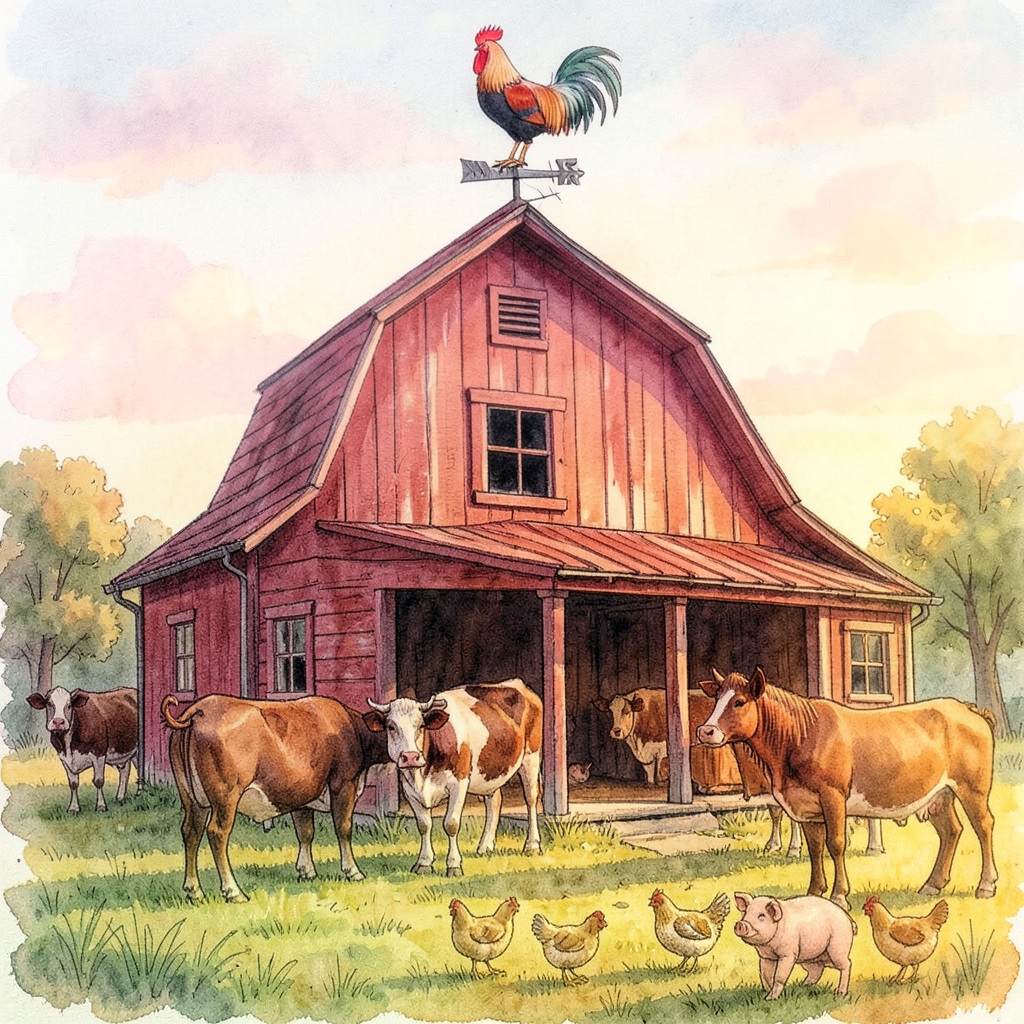
Big Red Barn
About This Book
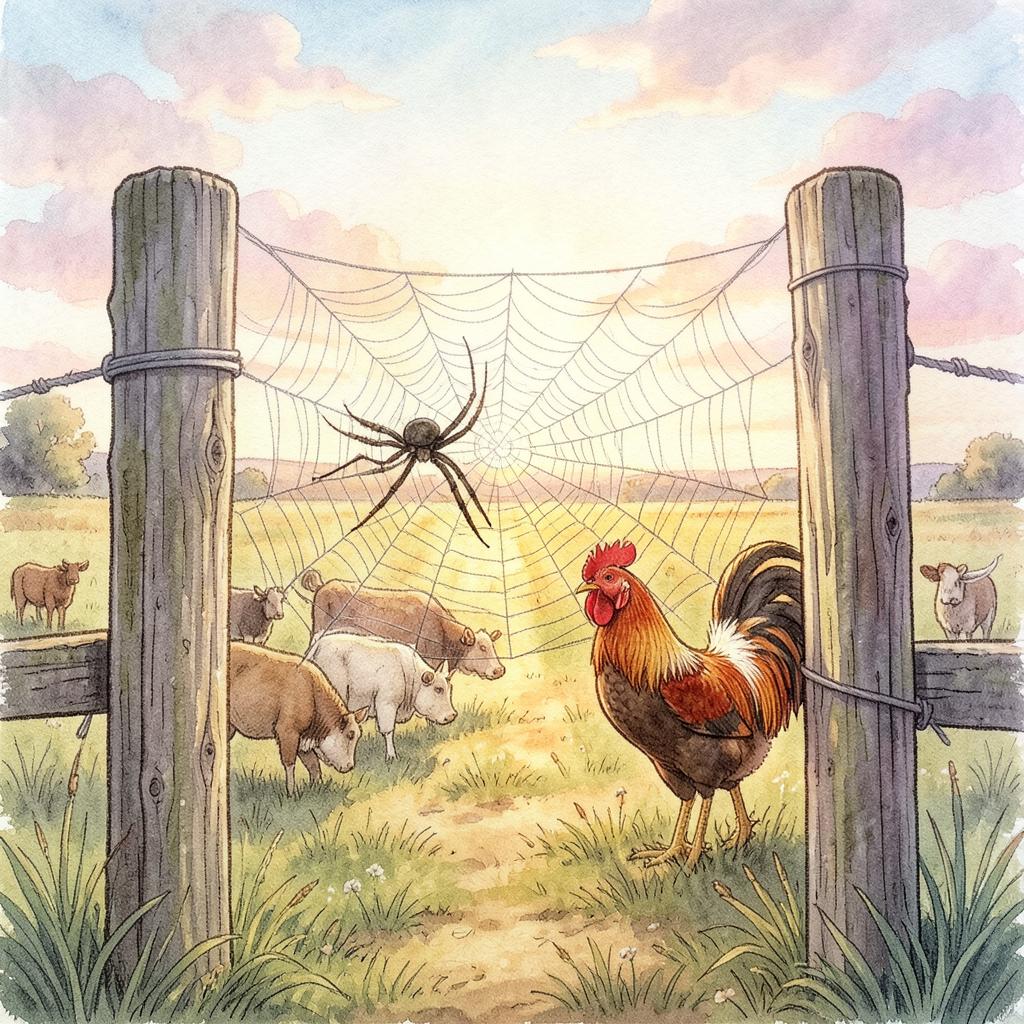
From sunrise to sunset, the animals in the big red barn go about their day — the horses, the pigs, the rooster, the mice — until the moon rises and everything grows quiet. Margaret Wise Brown's gentle, rhythmic text is a perfect companion to Goodnight Moon, inviting the very youngest readers into the peaceful world of the farm.
Themes
Farm AnimalsDay and NightNature
Best For
- Bedtime routines for babies and toddlers who need a calming, predictable wind-down book
- First farm or animal books for children under age 3 who are building basic vocabulary
- Pairing with Goodnight Moon for a Margaret Wise Brown double feature
- Children who love repetition and benefit from the reassurance of a structured, orderly story
- Long car rides or travel when a quiet, comforting read is needed
Why Parents Love This Book
Big Red Barn is one of those rare picture books that feels less like a story and more like a lullaby you can hold in your hands. Margaret Wise Brown — the author behind Goodnight Moon — brings her signature rhythmic, gently repetitive prose to a farm setting, tracing the arc of a single day from the rooster's first crow to the hush of moonrise. What makes it endure is its unhurried pace. There is no conflict, no problem to solve — just animals going about their day in a world that feels safe and ordered. Felicia Bond's warm, golden illustrations give every creature its own personality without ever feeling busy or overstimulating. For the very youngest readers, that predictability is exactly the point. Each rereading is a small act of comfort. Parents who loved Goodnight Moon will find Big Red Barn the perfect daytime companion — a book that teaches children to notice the world quietly, one barn animal at a time.
Reading Tips for Parents
Read this book slowly and let your child set the pace. Point to each animal as you name it — toddlers love the moment of recognition, and returning to favorite animals across multiple readings builds early vocabulary naturally. The day-to-night structure makes it ideal for a morning read as well as a bedtime wind-down; you can ask "what time of day is it now?" and compare it to the current moment. Use animal sounds as you go — pausing before "the cow" and waiting for your child to supply the "moo" turns a simple read-aloud into an interactive game. The board book format is designed for small hands, so let your toddler turn the pages independently. If your child has seen a real farm, any zoo, or even a picture of a horse or pig, make those connections out loud.
Awards & Recognition
- New York Times Bestseller
- Over 5 million copies sold worldwide
Educational Value
This book helps children develop skills across multiple areas:
- Vocabulary: Introduces farm animal names and basic descriptive words (big, red, little, pink) through natural repetition that builds retention in very young children.
- Science: Teaches the concept of day and night cycles and how living things — animals and children alike — follow a daily rhythm tied to light and dark.
- Social-emotional: The calm, orderly world of the barn reinforces feelings of safety and predictability, which is foundational for emotional regulation in toddlers.
- Early literacy: Margaret Wise Brown's rhythmic, rhyming text develops phonemic awareness and a feel for language patterns before formal reading begins.
- Animal recognition: Repeated exposure to named farm animals — horses, pigs, cows, mice, roosters — builds early categorization skills and world knowledge.
Discussion Questions
Use these questions to spark conversation before, during, or after reading:
- Can you point to all the animals hiding in the barn? Which one is your favorite?
- The book goes from morning all the way to nighttime — what do you do during the day before it gets dark?
- Why do you think all the animals get quiet when the moon comes up?
- If you lived in the big red barn, which animal would you want to sleep next to?
- What sounds do you think you would hear if you stood outside the barn in the morning?
Content Notes for Parents
No content concerns. This book is entirely gentle — there is no conflict, no fear, no loss, and no mature themes of any kind. It is appropriate for the youngest readers and sensitive children alike.
Frequently Asked Questions
What age is Big Red Barn best suited for?
The board book edition is designed for babies and toddlers from birth through about age 3. The simple vocabulary, rhythmic text, and large animal illustrations are ideal for the pre-reader stage. Many families find it remains a favorite through age 4 or 5 because children enjoy revisiting familiar, comforting books even after they have outgrown them developmentally.
Is this a good bedtime book?
Yes — it works beautifully at bedtime. The story naturally moves from the busy activity of daytime toward the quiet of moonrise, mirroring the wind-down routine you are trying to establish. It is a gentler, slightly longer companion to Goodnight Moon and pairs well with it as part of a bedtime sequence.
Are there any scary or upsetting parts I should know about?
None at all. Big Red Barn is one of the most uniformly gentle books in children's literature. No animals are hurt, no characters are lost or frightened, and the tone is consistently warm and peaceful throughout. It is safe for even the most sensitive toddlers.
How is this different from Goodnight Moon?
Both books share the same author and a similar soothing rhythm, but they serve slightly different purposes. Goodnight Moon is explicitly a bedtime book structured around saying goodnight to objects. Big Red Barn follows the full arc of a farm day and is equally at home as a morning or afternoon read. The farm animal focus also makes it a natural first introduction to that category of the world.
Are there similar books you would recommend alongside this one?
If your child loves Big Red Barn, try Brown's own Goodnight Moon and The Runaway Bunny for the same gentle rhythm. For more farm animal content, Doreen Cronin's Click Clack Moo and Eric Carle's animals books (like The Very Hungry Caterpillar) make natural companions as children grow toward the 3-5 age range.