The Very Hungry Caterpillar
About This Book
A tiny caterpillar eats his way through an extraordinary variety of foods over the course of one week before spinning a cocoon and emerging as a beautiful butterfly. Eric Carle's distinctive collage illustrations and clever die-cut pages make this a tactile and visual delight for the youngest readers.
Themes
GrowthNatureCounting
Best For
- Teaching counting and numbers 1–5
- Introducing days of the week
- First exploration of life cycles and science
- Interactive storytime — children love poking fingers through the holes
- Transitional readers who enjoy a clear story arc
Why Parents Love This Book
Eric Carle's masterpiece has been introducing children to the magic of metamorphosis since 1969, and it's never lost a step. The genius of the book is threefold: it teaches counting and the days of the week through a narrative children actually care about, it introduces the concept of life cycles in a visceral and exciting way, and the die-cut pages that grow with each day of eating make the book itself a physical experience. Carle's signature tissue-paper collage illustrations are instantly recognizable and remain among the most imitated in picture book history.
Reading Tips for Parents
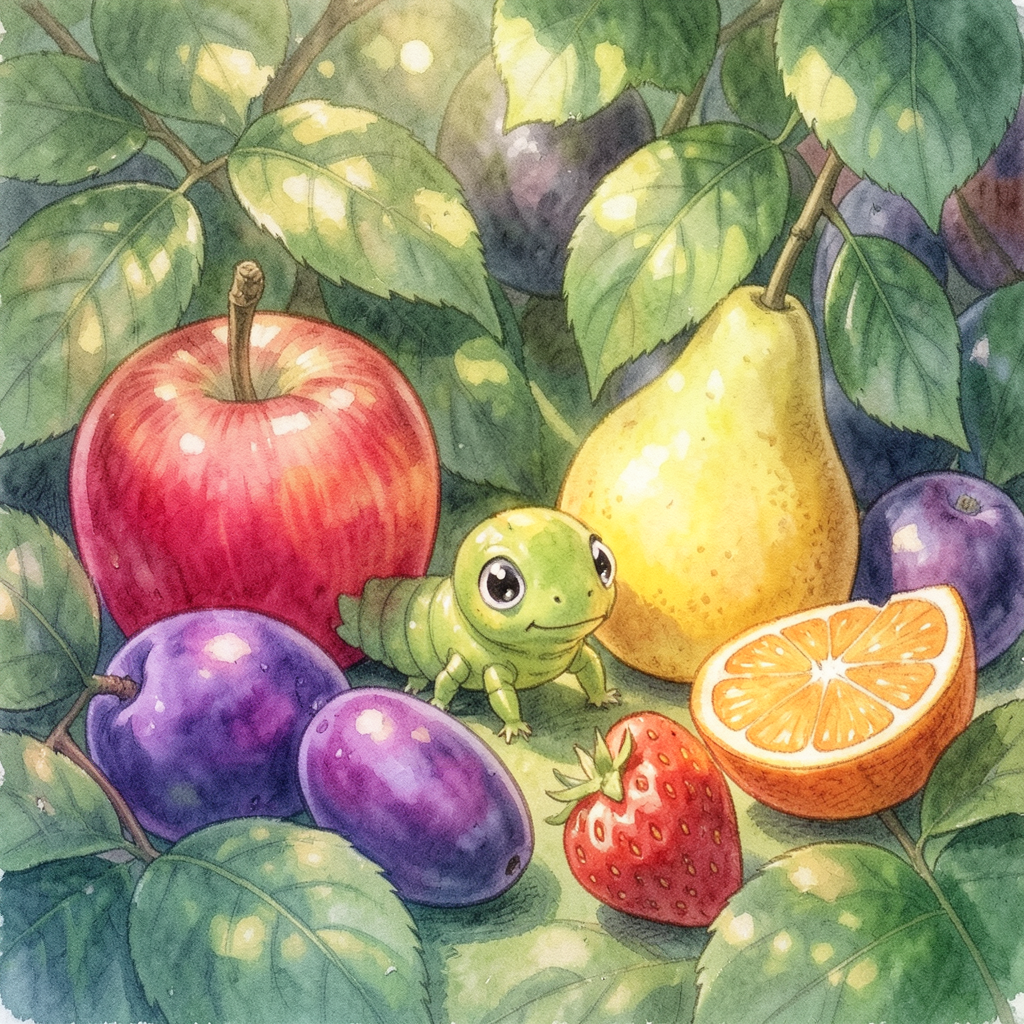
Young children love pointing to and "helping" the caterpillar eat through the die-cut holes. Encourage this interaction — it keeps toddlers engaged and builds fine motor awareness. The predictable food sequence (one apple, two pears, three plums...) lends itself to counting along. After a few readings, pause before turning each page and let your child name the next food or number. Many children's first experience of a "punchline" comes from the caterpillar's bellyache after overindulging on Saturday — lean into that humor.
Awards & Recognition
- New York Times Bestseller for 43+ years
- Over 55 million copies sold worldwide (one of the best-selling children's books ever)
- Publishers Weekly All-Time Bestselling Children's Book list
- Inducted into the Library of Congress Packard Campus collection
- Eric Carle received the Lifetime Achievement Award from the Society of Illustrators
Educational Value
This book helps children develop skills across multiple areas:
- Counting 1–5 and early number sense through the daily food sequence
- Days of the week: Monday through Sunday in natural narrative order
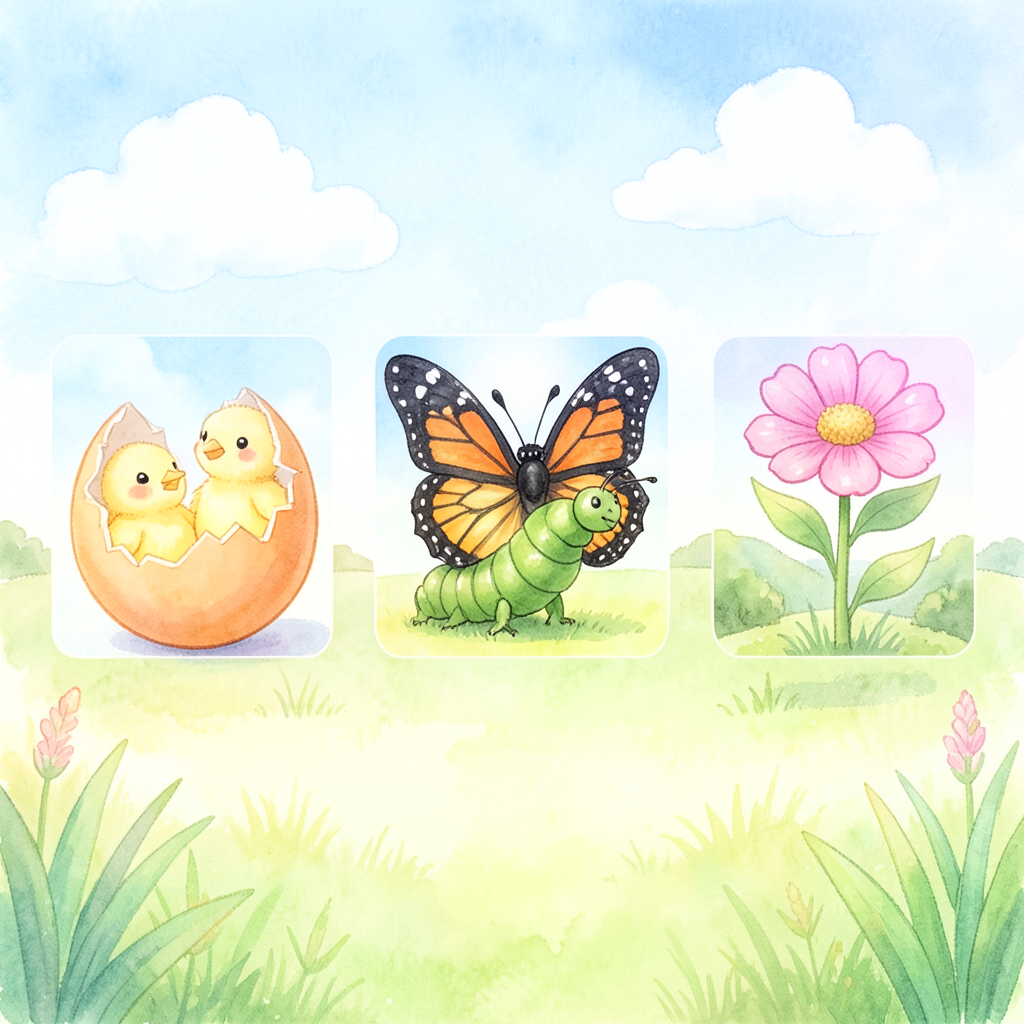
- Life cycles: egg → caterpillar → chrysalis → butterfly (a gateway to science curriculum)
- Healthy vs. unhealthy food: implicit lesson when the caterpillar overeats junk food
- Cause and effect: overeating causes a stomachache, a clear logical consequence
- Colors and food vocabulary: names many fruits, vegetables, and treats
- Pre-literacy: repetitive sentence structure models how sentences are built
Discussion Questions
Use these questions to spark conversation before, during, or after reading:
- How many things did the caterpillar eat on Monday? What about Wednesday?
- Why do you think the caterpillar had a stomachache after Saturday?
- What do you think it feels like inside the cocoon?
- If you were a caterpillar, what would you eat your way through?
- Can you name something in our house that starts as one thing and changes into something different?
Content Notes for Parents
No content concerns. The caterpillar's stomachache after overeating is presented humorously, not distressingly. The transformation into a butterfly is depicted gently. Universally appropriate.
Frequently Asked Questions
What age is The Very Hungry Caterpillar best for?
The book is most commonly recommended for ages 1–4. The die-cut holes and interactive format engage even 10–12 month olds who don't yet follow the story. For counting and days of the week, ages 2–4 get the most educational value. Many 5-year-olds still enjoy it, especially if they're studying life cycles in preschool or kindergarten.
Is The Very Hungry Caterpillar actually a good book for teaching counting?
Yes — it's considered one of the most effective early counting books precisely because the numbers are embedded in a story rather than drilled as facts. The caterpillar eating 1 apple, then 2 pears, then 3 plums creates a memorable narrative hook. Children naturally repeat the sequence, which reinforces number order and one-to-one correspondence without it feeling like a lesson.
Why does the caterpillar eat so much junk food on Saturday?
Eric Carle originally included the junk food spread as a playful joke — the sheer absurdity of a tiny caterpillar eating ice cream, pie, sausage, and cupcake is funny to young children. It also sets up the stomachache consequence, which introduces cause and effect in a memorable, humorous way. Many parents use Saturday's page to spark conversations about balance and eating a variety of foods.
How accurate is the book's caterpillar-to-butterfly science?
Loosely accurate with some simplifications. Real caterpillars do spin a cocoon (technically a chrysalis for butterflies), and they do emerge as butterflies. The caterpillar in the book eats an unusually varied diet — real caterpillars are specialists that eat mainly one type of plant leaf. The moon and the food variety are narrative liberties, but the core metamorphosis arc is scientifically sound and makes a wonderful springboard to a real nature lesson.
Are the die-cut holes durable for babies and toddlers?
The board book edition is designed for durability, and the holes are cut through sturdy cardboard. That said, enthusiastic toddlers can occasionally tear the pages with repeated rough handling. It's worth having two copies — one for reading together and one for independent exploration once your child is past the chewing stage (usually around 18 months).
Are there other Eric Carle books similar to this one?
Yes — "The Very Busy Spider" follows a similar repetitive structure with a tactile element (raised spider web). "Brown Bear, Brown Bear, What Do You See?" (illustrated by Carle, written by Bill Martin Jr.) uses the same bold collage style. "The Very Quiet Cricket" and "The Very Lonely Firefly" also follow a caterpillar-like single-character journey with a satisfying ending.