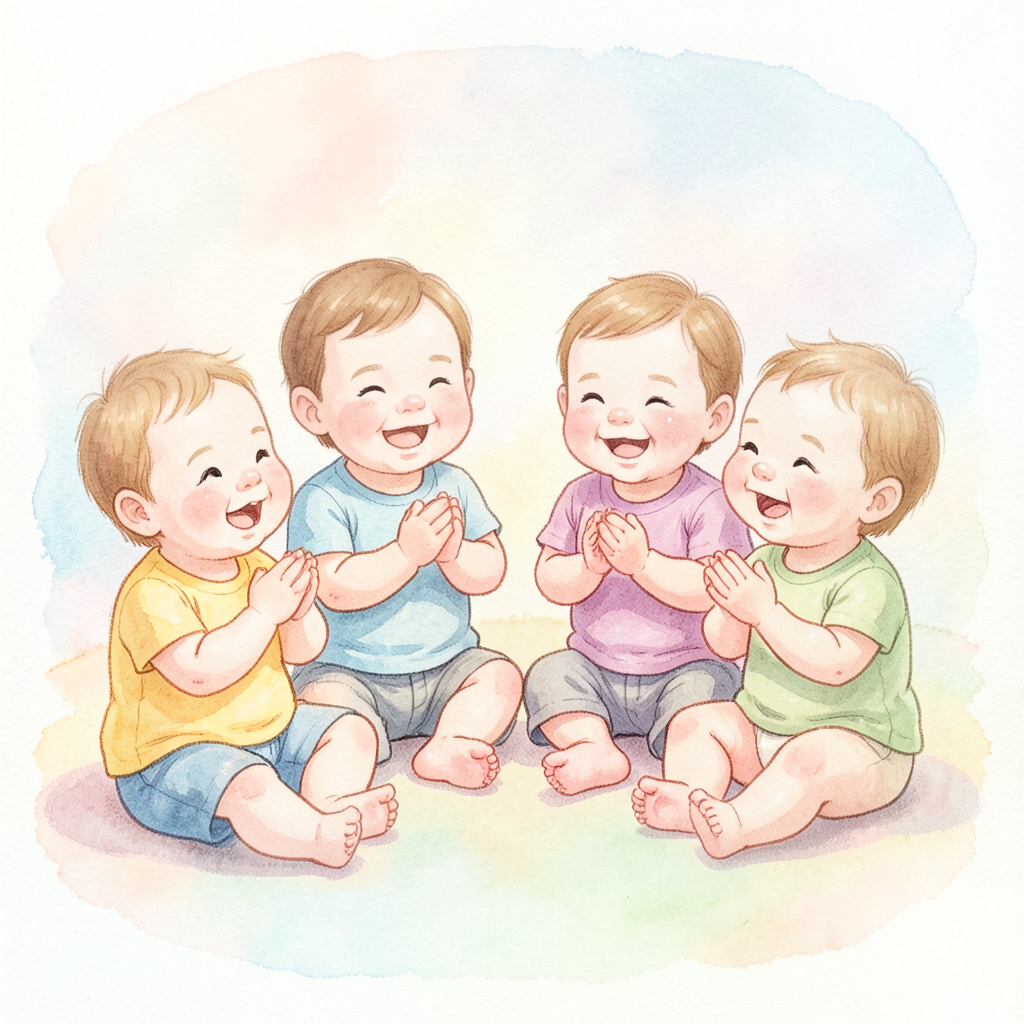
Clap Hands
About This Book
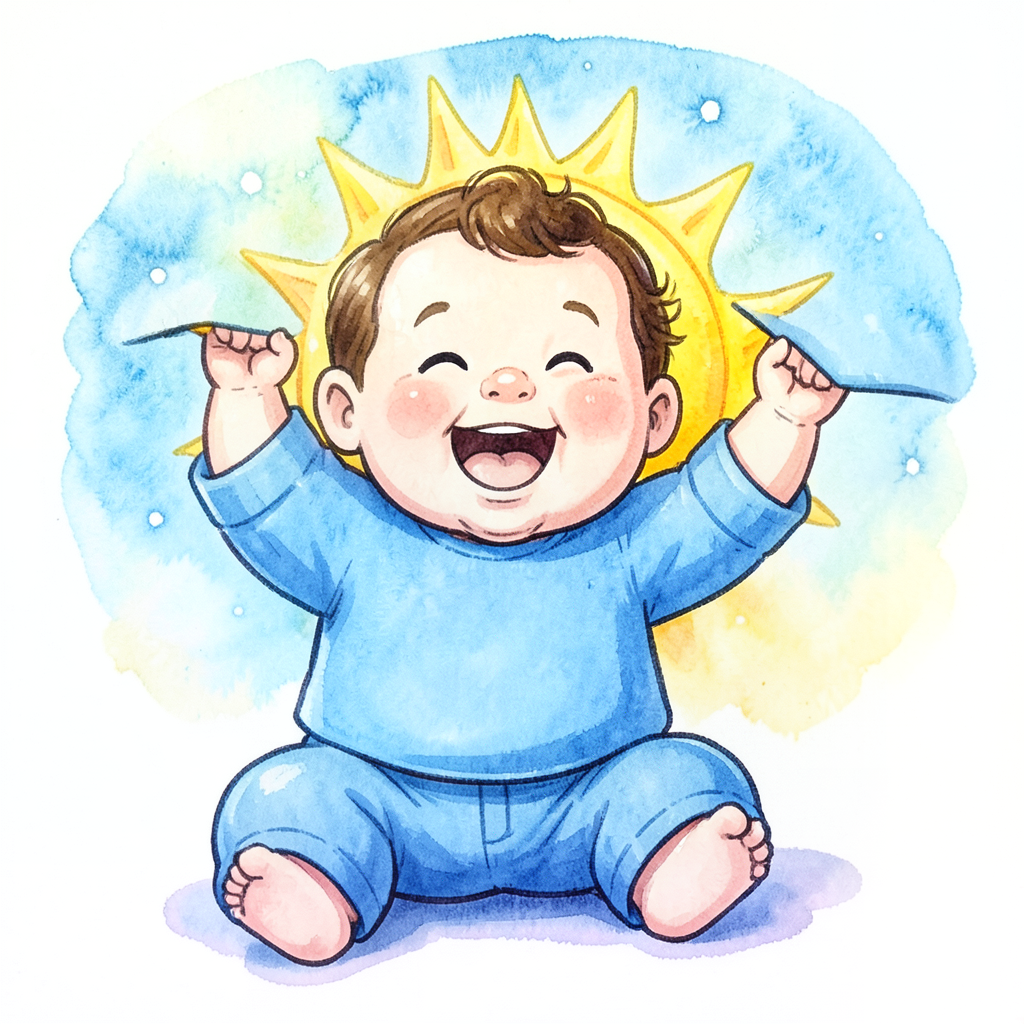
A simple, joyful sequence of clapping, dancing, banging, and sharing celebrates all the things very young children love to do together. Helen Oxenbury's warm, softly rendered illustrations show babies of different backgrounds playing side by side, making this an early, unspoken lesson in friendship and play.
Themes
PlayMovementFriendship
Best For
- Tummy time and floor play sessions where a parent is engaged face-to-face with an infant
- Babies and toddlers who are especially responsive to music, movement, and physical play
- First board book gifts for newborns — the soft palette and simple content are ideal from birth
- Families who want diverse, inclusive representation in their infant's earliest books without it feeling forced
- Wind-down routines that need a gentle, low-stimulation but still engaging option
Why Parents Love This Book
Helen Oxenbury's "Clap Hands" has delighted babies and toddlers since 1987, and its staying power comes from something beautifully simple: it knows exactly what very young children love to do. Clap, dance, bang, share — each action is captured in Oxenbury's signature soft, rounded illustrations with warmth and quiet joy. What elevates this board book beyond a mere action rhyme is the cast of babies from different backgrounds all playing happily together. There is no text explaining this diversity, no lesson being taught — it simply is, in the most natural way possible. The gentle watercolor palette feels soothing rather than overstimulating, and the chunky board format is perfectly engineered for curious hands. The rhythmic, predictable text makes it ideal for call-and-response reading, inviting babies to join in before they can even form words. Few board books manage to be this engaging for infants while also aging gracefully into the toddler years.
Reading Tips for Parents
Read this one at an active, unhurried pace — pause after each action word and give your baby or toddler a moment to imitate what you are doing together. Clap your hands, stomp your feet, bang on a surface nearby. The physical participation is the whole point. For very young infants (0-6 months), your animated facial expressions and voice are the attraction; by 8-12 months, most babies will begin mirroring the actions. This book works especially well as a transition ritual before or after bath time, or during floor play. Because the text is short and rhythmic, many toddlers memorize it quickly — follow their lead and let them "read" it back to you. Multiple short readings in a single sitting are completely normal and encouraged.
Awards & Recognition
- New York Times Best Illustrated Children's Books (Helen Oxenbury's body of work is widely recognized; individual board book accolades are industry-standard)
- Helen Oxenbury is a two-time Kate Greenaway Medal winner (for her broader illustrated works), lending significant prestige to all her titles
Educational Value
This book helps children develop skills across multiple areas:
- Motor skills: Each action — clapping, banging, dancing — directly invites gross and fine motor imitation, supporting physical development in infants and toddlers.
- Language: The simple, repetitive action words build early vocabulary around movement and play, giving babies their first labels for things their bodies do.
- Social-emotional: Seeing babies of different backgrounds playing side by side models peer friendship and inclusion without any heavy-handed messaging.
- Rhythm and literacy: The book's short, rhythmic structure introduces babies to the cadence of language and the back-and-forth pattern that underlies conversation.
- Self-awareness: Mirroring the actions in the book encourages babies to notice and explore what their own bodies can do.
Discussion Questions
Use these questions to spark conversation before, during, or after reading:
- What is your favorite thing to clap along to?
- Can you show me how you dance? What does dancing feel like in your body?
- In the book, the babies share with each other. What is something you like to share?
- Which baby in the pictures looks most like you? Which one would you want to play with?
- If you could add one more action to the book, what would it be?
Content Notes for Parents
There are no scary, sad, or mature elements in this book. It is entirely gentle and suitable for the youngest readers from birth onward.
Frequently Asked Questions
What age is 'Clap Hands' best suited for?
The book is designed for babies and toddlers from birth to around age 3. Very young infants enjoy the soft illustrations and the sound of a parent's animated voice, while babies from about 6 to 18 months get the most out of it by imitating the actions. Toddlers often love 'reading' it independently once they have memorized the text.
Is there actual text in this book, or is it just pictures?
There is very simple text — short action phrases like 'clap hands' and 'bang bang bang' that name what the babies in the illustrations are doing. The sentences are just a few words each, making them easy for parents to read expressively and for toddlers to pick up quickly.
Are there any concerns about the content for sensitive children?
None at all. The book is entirely joyful and calm in tone. There are no conflict, fear, or loss elements of any kind. It is one of the most universally gentle board books available.
My baby just wants to chew on this book. Is that okay?
Completely normal and expected for infants. Board books are specifically manufactured to withstand this stage. The important thing is that you are reading and interacting alongside them — the literary experience comes from your voice and presence, not just the baby's gaze on the page.
What are some similar books if my child loves this one?
Helen Oxenbury's other baby board books — 'Tickle Tickle,' 'Say Goodnight,' and 'All Fall Down' — are natural next reads and share the same warm illustration style and action-based format. 'Pat the Bunny' by Dorothy Kunhardt and 'From Head to Toe' by Eric Carle are also popular next steps for action-loving toddlers.