Each Kindness
About This Book
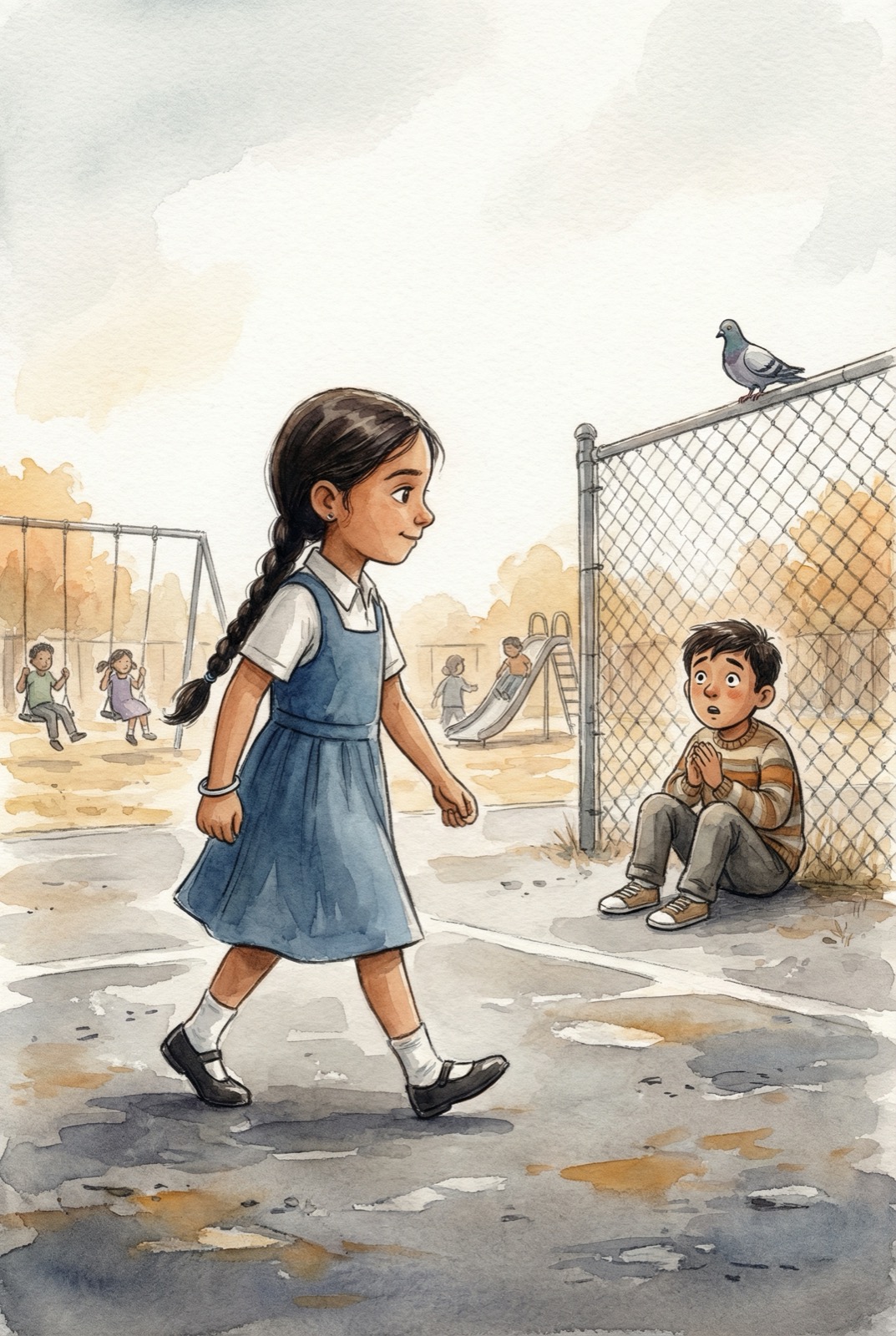
When new girl Maya arrives at school in shabby clothes, Chloe and her friends refuse to play with her. After Maya moves away, the teacher demonstrates how small acts of kindness ripple outward like stones in water. Chloe realizes with regret that she missed every chance to be kind.
Themes
KindnessEmpathyRegret
Best For
- Classroom read-alouds focused on anti-bullying or inclusion themes
- Children who are navigating being the new kid or starting at a new school
- Families looking to open a conversation after a child was unkind to a peer
- Kids ages 5-8 who are ready to discuss complex emotions like regret and missed opportunities
Why Parents Love This Book
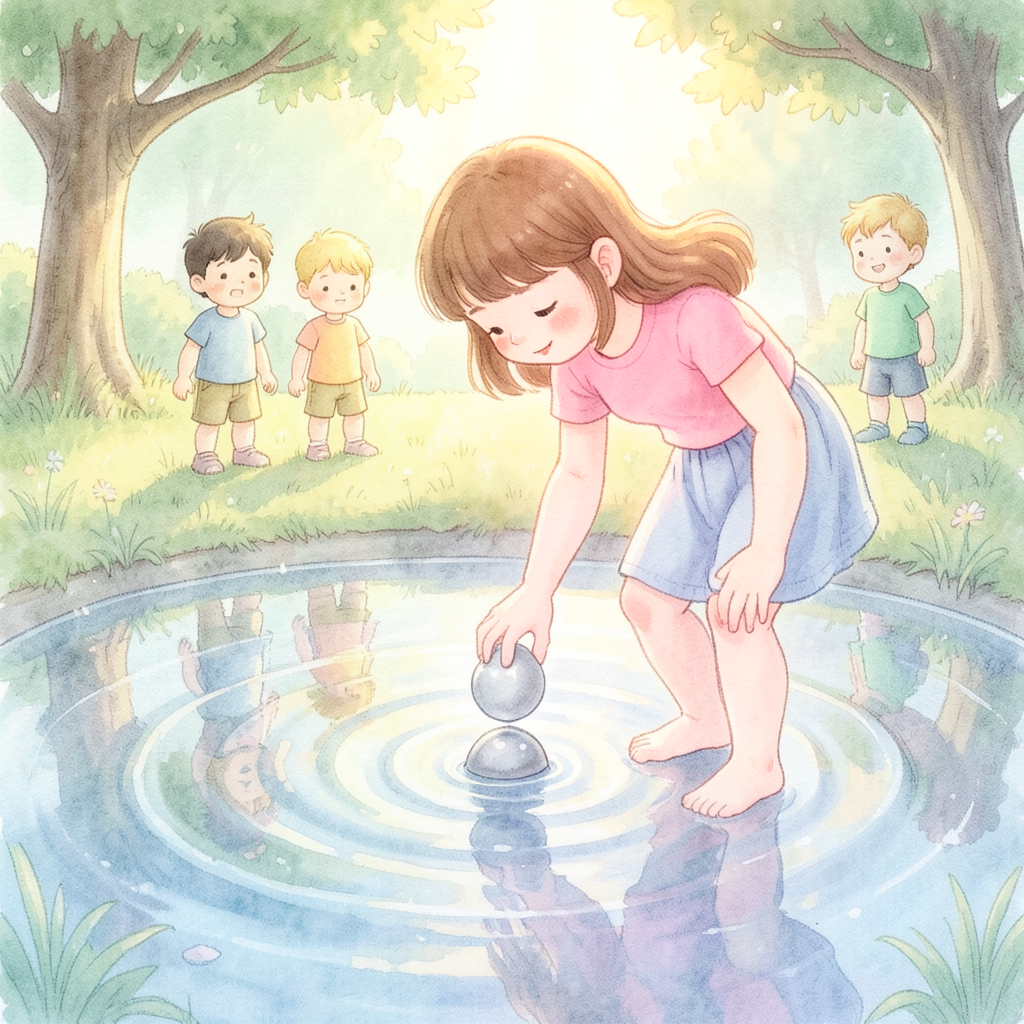
Each Kindness does something rare in children's literature: it refuses a tidy redemption arc. Chloe never gets to apologize to Maya. Maya simply disappears, and Chloe is left sitting beside a pond, watching ripples spread, understanding too late what her cruelty cost both of them. Jacqueline Woodson trusts young readers with that honest, aching feeling — and it lands. E.B. Lewis's watercolor illustrations are luminous and warm, making the emotional contrast even sharper when kindness is withheld. The teacher's lesson, dropping a stone into water and watching the ripples travel outward, is a metaphor children can hold onto long after the last page. This is a book that stays with kids because it honors the complexity of regret without being preachy. It doesn't say "be nice or else." It says "you will wish you had been kind, and sometimes you won't get a second chance." That honesty is what makes it endure.
Reading Tips for Parents
Read this book slowly, pausing at the spreads where Chloe watches Maya reach out and gets nothing back. Let the silence sit. Children this age often need a moment to recognize themselves in Chloe — many will have been Maya, but some will have been Chloe, and that recognition is the book's real gift. After reading, try the stone-in-water activity in a bowl or bathtub: drop something small in and watch the ripples. Ask your child what ripples their own actions sent out today. Avoid rushing to a moral lesson; the book earns its own message. If your child recently experienced exclusion, either as the new kid or a bystander, this story opens that conversation naturally without requiring them to confess anything directly.
Awards & Recognition
- Jane Addams Children's Book Award, 2013
- Coretta Scott King Illustrator Honor, E.B. Lewis, 2013
Educational Value
This book helps children develop skills across multiple areas:
- Social-emotional learning: Builds emotional vocabulary around regret, empathy, and the lasting impact of exclusion on both the excluded child and the bystander.
- Vocabulary: Introduces words like 'kindness,' 'ripple,' and 'chance' in emotionally resonant context, helping children attach meaning to abstract concepts.
- Critical thinking: Encourages children to examine their own behavior and consider consequences that cannot be undone — a developmentally advanced concept presented accessibly.
- Science connection: The ripple metaphor can naturally extend into a simple water experiment exploring cause and effect and wave motion.
- Narrative comprehension: The story's non-resolution challenges early readers to sit with ambiguity and draw their own conclusions, strengthening inferential thinking.
- Visual literacy: E.B. Lewis's watercolor illustrations convey character emotion and tone independently of the text, giving children practice reading visual cues.
Discussion Questions
Use these questions to spark conversation before, during, or after reading:
- Why do you think Chloe and her friends didn't want to play with Maya? What were they afraid of?
- How did Chloe feel at the end of the book when she was sitting by the water? Have you ever felt that way?
- What is one small kindness someone did for you that you still remember?
- If Maya came back, what do you think Chloe would say to her?
- The teacher says kindness is like a stone in water. What do you think that means?
Content Notes for Parents
This book depicts social exclusion and ends with unresolved regret — there is no happy ending or reconciliation, which may be emotionally heavy for very sensitive children or those currently experiencing bullying. No scary or violent content; the sadness is quiet and relational.
Frequently Asked Questions
Is this book too sad for young children?
It is emotionally honest rather than traumatic. The sadness is quiet — Chloe sits by a pond and feels regret. Most children ages 5 and up can handle this well, especially with a parent nearby to talk through it. Very sensitive children, or those currently experiencing exclusion themselves, may need extra support after reading.
How should I handle it if my child relates to Chloe (the one who was unkind)?
This is actually the book doing its job. Avoid making your child feel ashamed — instead, use the ripple image to ask what ripples they want to send out going forward. The book's power is in creating a private moment of recognition, not a confessional one. Keep the tone curious and warm rather than corrective.
What age range is this best for?
The publisher recommends ages 4–8, but the emotional nuance is best absorbed by children closer to 5–8. Younger four-year-olds may follow the story but won't fully grasp the weight of irreversible regret. The book grows richer with re-reads as children get older.
Are there similar books I could pair with this one?
The Invisible String by Patrice Karst explores emotional connection, and Wonder by R.J. Palacio (for older readers) covers similar inclusion themes at greater length. For a more hopeful complement on the same theme, Last Stop on Market Street by Matt de la Pena celebrates seeing others with fresh eyes.
Can teachers use this effectively in a classroom setting?
Yes — it was designed with classroom use in mind. The stone-in-water metaphor translates directly into a group activity, and the story generates strong discussion because children have varied reactions to Chloe's choices. It pairs well with social-emotional learning curricula on empathy and community building.