Simran Kaur and the Fence
About This Book
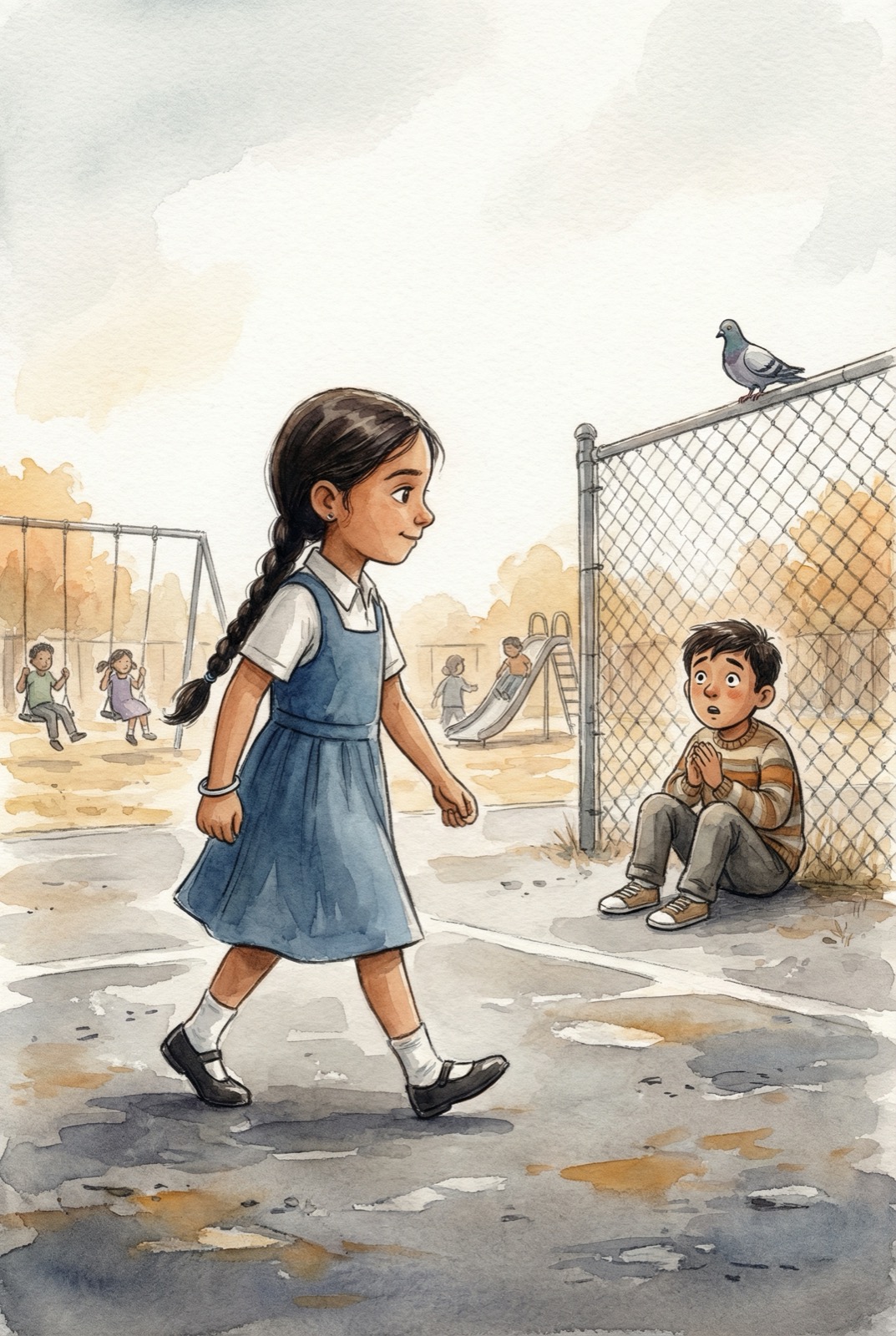
Simran notices a boy sitting alone on the other side of the school fence every day at lunch — for three days straight. She wants to help but feels unsure. When her father shares the deeper meaning behind the kirpan he wears — that true courage means standing up for those who cannot stand for themselves — Simran finds the bravery to cross the playground and reach out. A moving story about compassion and the courage to include others.
Themes
CourageEmpathyKindness
Best For
- Families looking for books that reflect Sikh values and identity in an everyday school setting
- Starting conversations about loneliness, inclusion, and what it means to be a good classmate
- Children who tend to hold back in social situations and need to see a relatable, hesitant hero
- Classroom read-alouds during anti-bullying or kindness-focused units
- Bedtime reading followed by a brief check-in about your child's day at school
Why Parents Love This Book
What sets this book apart is the quiet, honest way it captures a feeling most children know well: seeing someone who needs a friend but not knowing what to do about it. Simran does not leap into action on the first page. She watches, she worries, she hesitates — and that hesitation makes her feel real. The turning point comes not from a teacher's lesson or a school assembly, but from a conversation with her father about the kirpan he wears every day. That detail is beautifully handled. The kirpan is explained not as a symbol of religious identity for outsiders to understand, but as a personal call to courage that Simran can carry within herself. The result is a story about inclusion that never feels preachy. It earns its emotional payoff because Simran has to work for her courage. For Sikh families, the spiritual grounding will resonate deeply. For all families, the message — that true kindness sometimes takes bravery — lands with warmth and clarity.
Reading Tips for Parents
Before reading, ask your child if they have ever noticed someone sitting alone at school or on a playground. Let them describe what they saw and how it felt. As you read, pause after Simran's father explains the meaning of the kirpan and ask your child what they think courage looks like when there is no danger — just someone who needs a friend. After the story, talk about one small, specific thing your child could do the next time they see someone left out. For Sikh families, this is also a natural moment to revisit your own family's understanding of Sikh rehat and the values behind the five Ks. The book works well at bedtime but is equally powerful just before school drop-off, when the themes are most immediate and actionable.
Awards & Recognition
- No major awards on record at time of publication (2024)
- Published 2024 — award eligibility cycles ongoing
Educational Value
This book helps children develop skills across multiple areas:
- Social-emotional learning: Explores hesitation and self-doubt as normal parts of choosing kindness, helping children understand that empathy sometimes requires courage.
- Character education: Introduces the concept of standing up for those who cannot stand for themselves, grounded in the Sikh value of sarbat da bhala (the well-being of all).
- Religious and cultural literacy: Explains the kirpan's spiritual meaning accessibly and respectfully, building vocabulary and understanding of Sikh tradition for all readers.
- Vocabulary: Words like courage, compassion, and kirpan are embedded naturally in context, giving beginning readers meaningful new language.
- Perspective-taking: Encourages children to imagine the inner experience of a child who is isolated, building empathy through sustained attention to another person's situation.
- Discussion and reflection: The story's three-day structure naturally invites children to slow down and think before they respond, modeling thoughtful decision-making.
Discussion Questions
Use these questions to spark conversation before, during, or after reading:
- Why do you think Simran waited three whole days before doing anything? What was she worried about?
- What did Simran's father say the kirpan really means? Do you think courage always has to look big and strong?
- Have you ever noticed someone sitting alone? What did you do, or what did you wish you had done?
- How do you think the boy on the other side of the fence felt each day at lunch? How do you think he felt when Simran finally reached out?
- If you were feeling unsure about helping someone, who would you talk to and what would you want them to say?
Content Notes for Parents
There are no frightening, violent, or mature elements in this book. The theme of a child sitting alone at lunch may prompt some children to share their own experiences of feeling excluded, so parents should be ready to listen and follow their child's lead.
Frequently Asked Questions
What ages is this book best suited for?
The book is written for ages 4 to 7 and is leveled as a beginning reader. It works well as a parent-led read-aloud for four and five year olds, and most confident readers in first or second grade can read it independently or with light support.
Do you need to be Sikh to connect with this story?
Not at all. The kirpan is explained clearly in the story itself, so no background knowledge is required. Non-Sikh families will find the explanation of its meaning natural and integrated. The core message — that real courage is about protecting and including others — speaks to every child.
Is this book appropriate for classroom use?
Yes, it is well suited for K-2 classrooms, particularly during units on community, kindness, or diversity. Teachers can use it to open conversations about noticing peers who may feel left out, and it pairs well with social-emotional learning curricula focused on empathy and inclusion.
Are there any upsetting moments I should prepare my child for?
The book handles its subject gently. The image of a child sitting alone each day may be quietly sad for some children, especially those who have felt excluded themselves. There is nothing frightening or traumatic, but it is worth being present for the conversation that may follow.
What books would you recommend alongside this one?
Families who connect with this book may also enjoy The Invisible String by Patrice Karst for a focus on connection, or Each Kindness by Jacqueline Woodson for a more poignant take on the cost of exclusion. For more Sikh-themed picture books, look for other titles from the Maastarji catalog that explore values through everyday school and family life.