I Am Enough
About This Book
With lyrical text and luminous illustrations, this book delivers a powerful message of self-love and respect. Comparing children to natural wonders — high as a mountain, deep as the ocean — it affirms that we are all here for a reason and that simply being yourself is enough.
Themes
Self-AcceptanceKindnessEmpathy
Best For
- Children experiencing social challenges such as bullying, exclusion, or low self-esteem
- Classroom morning meeting read-alouds focused on community building and kindness
- Bedtime routines when parents want to send children to sleep with a positive, affirming message
- Multicultural bookshelf building, as the illustrations center children of color prominently
- Back-to-school season when children are navigating new social environments and need a confidence boost
Why Parents Love This Book
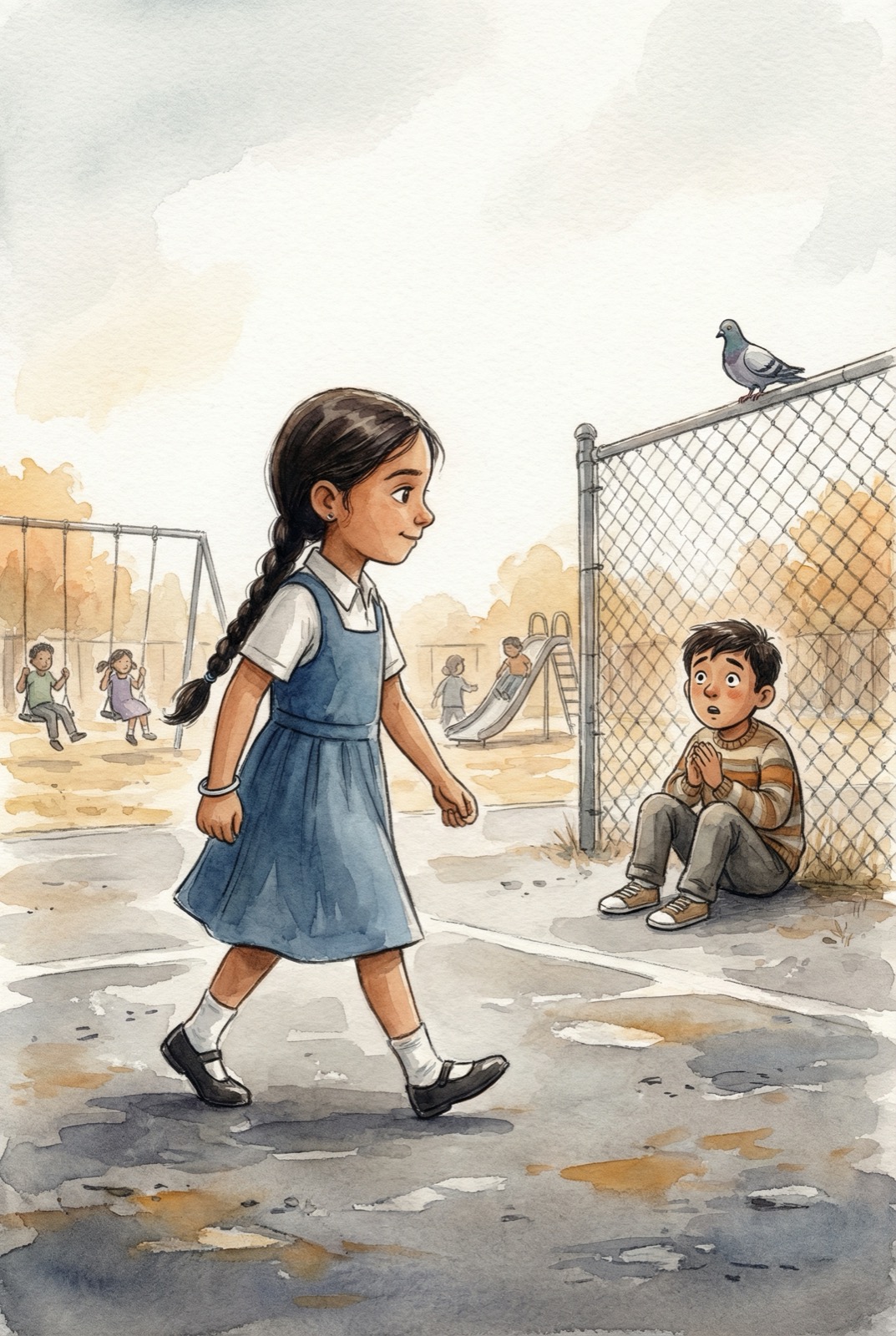
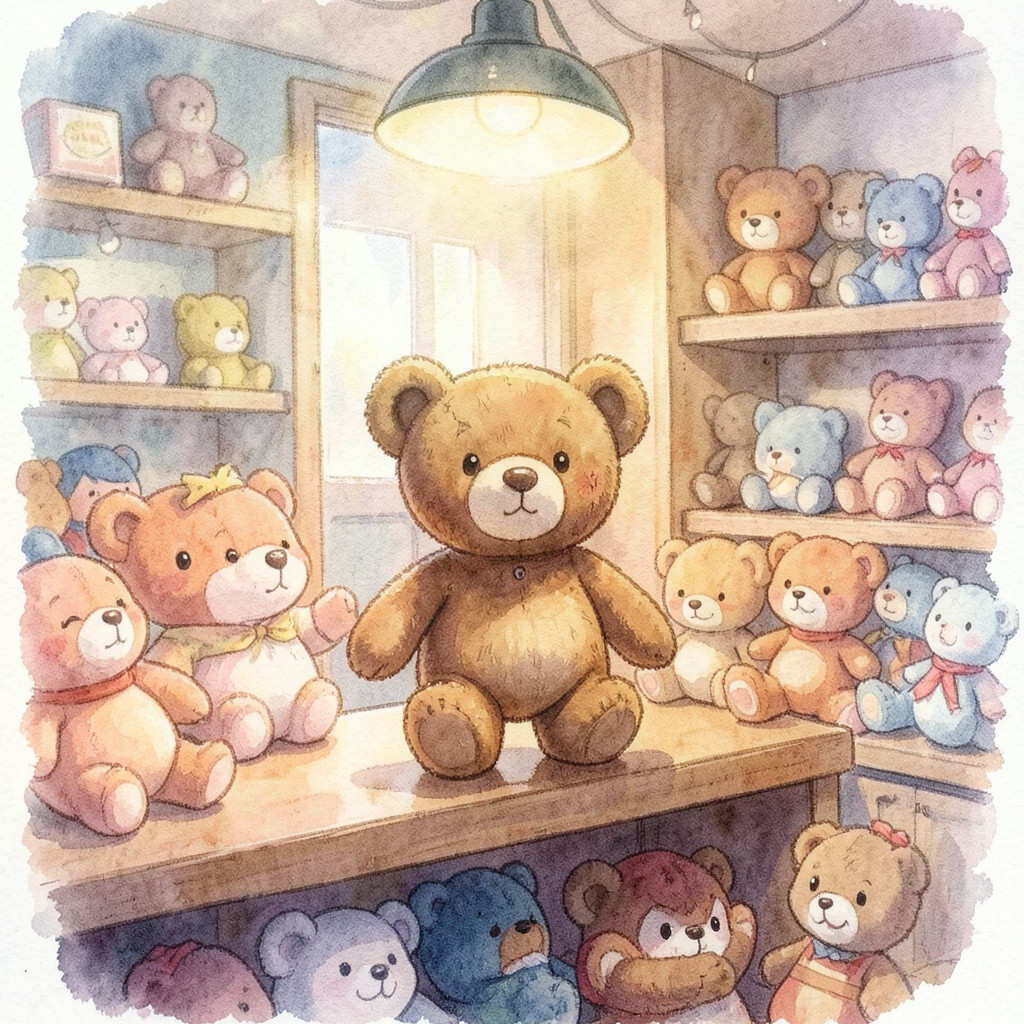
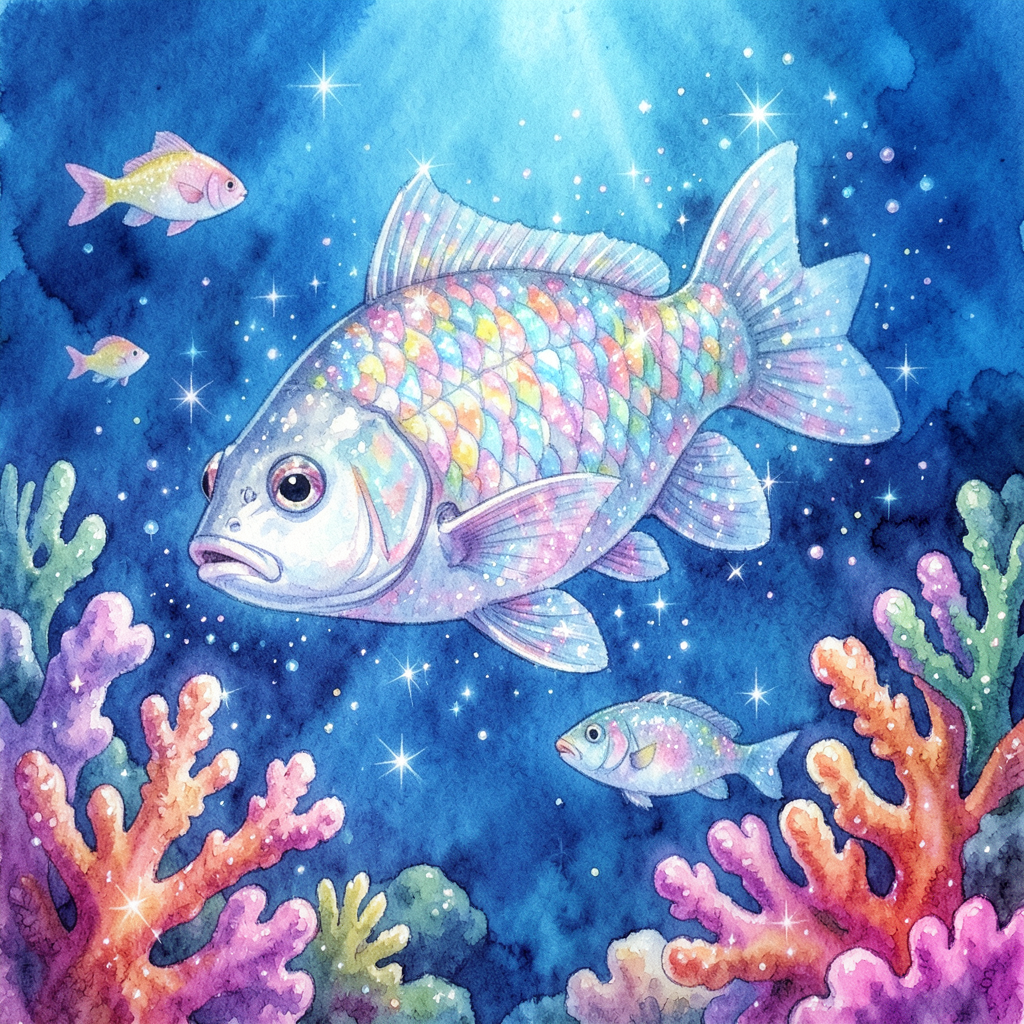
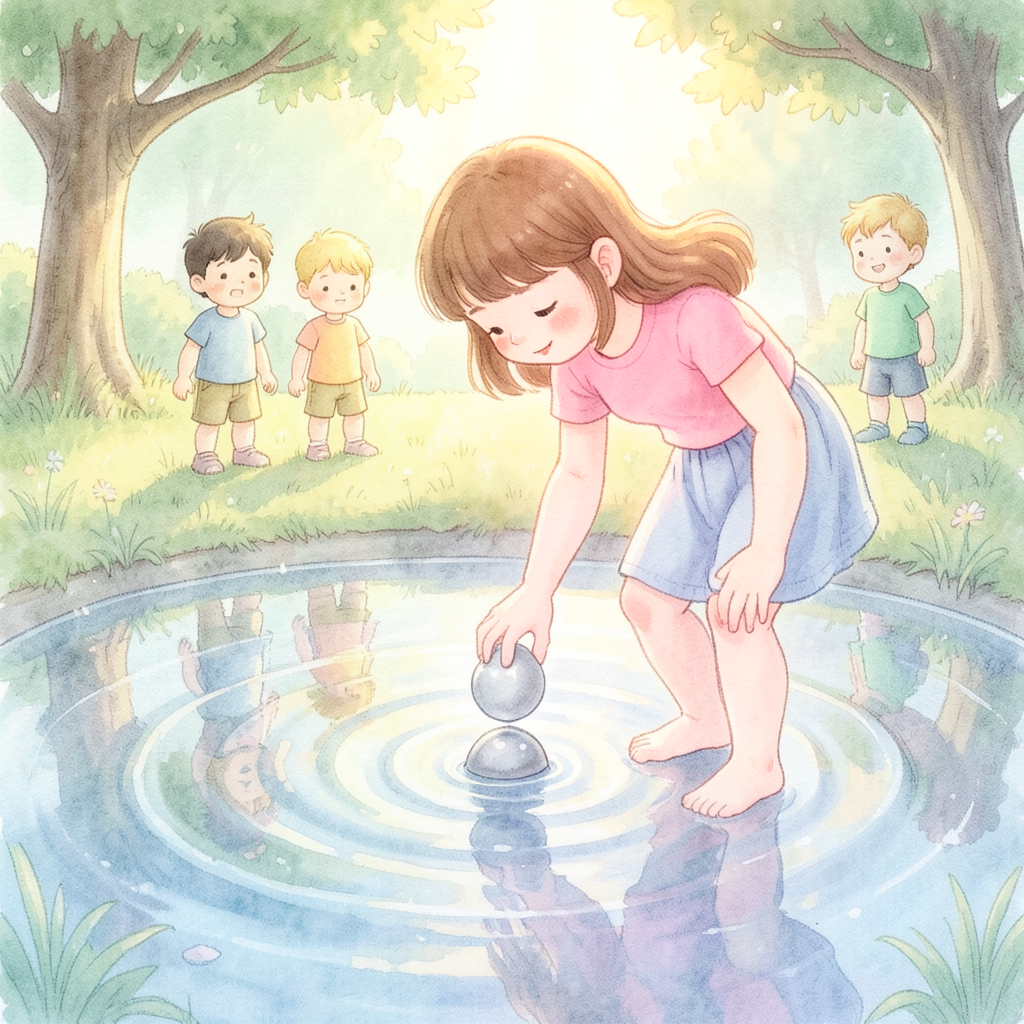
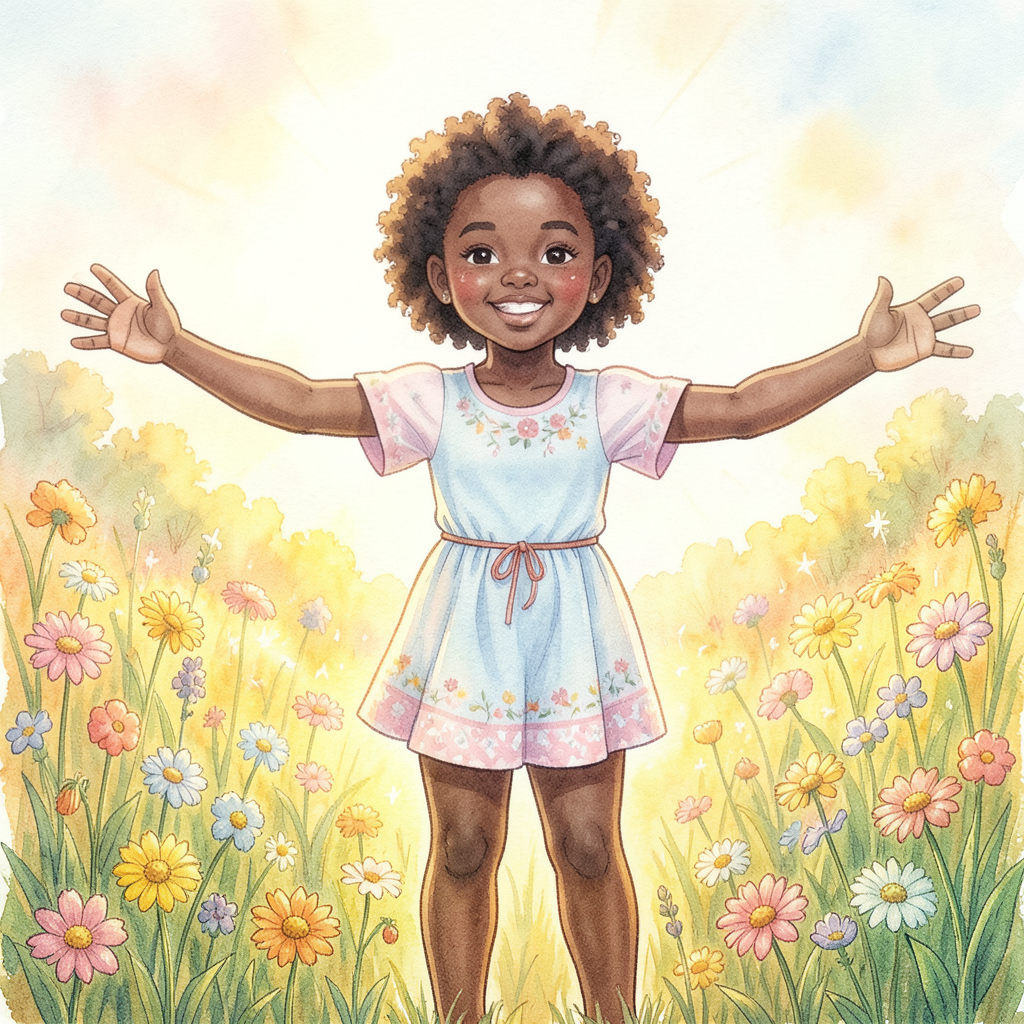
Grace Byers wrote "I Am Enough" as a love letter to every child who has ever felt left out, different, or less than. What makes this book exceptional is the way it sidesteps hollow reassurance and instead anchors a child's worth in the natural world — you are as high as a mountain, as deep as the ocean, as bright as the sun. These comparisons are not empty flattery; they connect children to something vast and enduring, helping the message stick long after the book is closed. Keturah A. Bobo's luminous watercolor illustrations match the lyrical text perfectly, depicting children of varied races, body types, and backgrounds sharing the same radiant glow. The rhyming verse has a gentle, musical quality that makes read-alouds feel almost like a lullaby. Crucially, the book does not just celebrate the individual — it extends outward, nudging children toward kindness and acceptance of others who are equally enough. That dual focus on self-worth and empathy is what makes this title endure on family bookshelves long after children have outgrown board books.
Reading Tips for Parents
Before reading, ask your child to name one thing they are proud of about themselves — this primes them to receive the book's message personally rather than abstractly. As you read aloud, slow down at the nature comparisons and invite your child to point to the illustrations that match the words. After finishing, revisit the refrain "I am enough" together and consider making it a daily affirmation your child says to their reflection in the morning. If your child is dealing with a specific social difficulty — feeling left out, being teased, or struggling to fit in — use the final pages, where the book extends kindness to others, as a natural opening to talk about how their classmates are "enough" too. The short page count makes this ideal for bedtime, but the emotional weight rewards slower daytime reads as well.
Awards & Recognition
- New York Times Bestseller
- USA Today Bestseller
Educational Value
This book helps children develop skills across multiple areas:
- Social-Emotional Learning: Builds a positive self-concept and emotional vocabulary around self-worth, helping children name and internalize feelings of belonging and confidence.
- Language Arts: The lyrical, rhyming text introduces poetic devices such as repetition, simile, and rhythm, offering an early gateway to understanding how language can be musical.
- Vocabulary: Nature-based comparisons — mountain, ocean, sun, moon — expand descriptive language and give children vivid metaphors they can use to express their own strengths.
- Empathy and Character: The book's outward turn toward treating others with kindness gives children a concrete social framework: recognizing that other people are equally worthy of respect.
- Cultural Awareness: Keturah A. Bobo's illustrations portray children of diverse racial and ethnic backgrounds, making this a natural starting point for conversations about representation and inclusion.
Discussion Questions
Use these questions to spark conversation before, during, or after reading:
- What is one thing the book says you are like in nature — a mountain, the ocean, or something else? Which one feels most like you?
- Has there ever been a time you felt like you were not enough? What happened, and how did it feel?
- The book says we should not dim another person's light. What do you think that means? Can you think of a way someone might accidentally dim your light?
- If you could add your own page to this book, what would you compare yourself to in nature, and why?
- The book talks about being kind to others who are also enough. What is one kind thing you could do tomorrow for someone at school or home?
Content Notes for Parents
There are no scary, sad, or mature elements in this book. It is a wholly affirming read with no conflict or distressing content, making it suitable for the full 4-7 age range and even younger children in a lap-read setting.
Frequently Asked Questions
What age is this book best suited for?
The publisher recommends ages 4 to 8, and that range holds up well in practice. Younger children around 4 or 5 enjoy the rhythm and the nature illustrations even if they absorb the message more emotionally than intellectually. Older children up to about 8 can engage more deeply with the book's themes of self-acceptance and empathy toward others.
Is this book good for children who are being bullied or feeling left out?
Yes, this is one of the most widely recommended books for exactly that situation. The message is never preachy or over-explained — it simply affirms a child's inherent worth in warm, poetic language. Many parents and school counselors use it as a conversation starter rather than a direct lesson, which tends to land better with young children.
Does the book address race or diversity directly?
The text does not explicitly discuss race, but Keturah A. Bobo's illustrations are richly diverse, centering children of color throughout. This makes the book feel inclusive and welcoming to children who do not always see themselves reflected in picture books, without requiring parents to frame it as a diversity lesson.
Are there any content concerns I should be aware of before reading this to my child?
None at all. There is no conflict, sadness, or mature content in this book. It is entirely affirming from cover to cover and is appropriate even for children at the younger end of the preschool range.
What are some similar books if my child loves this one?
Families who connect with this book often also love 'The Name Jar' by Yangsook Choi for identity themes, 'Beautiful Oops!' by Barney Saltzberg for embracing imperfection, and 'Have You Filled a Bucket Today?' by Carol McCloud for the outward-kindness angle that 'I Am Enough' introduces in its final pages.