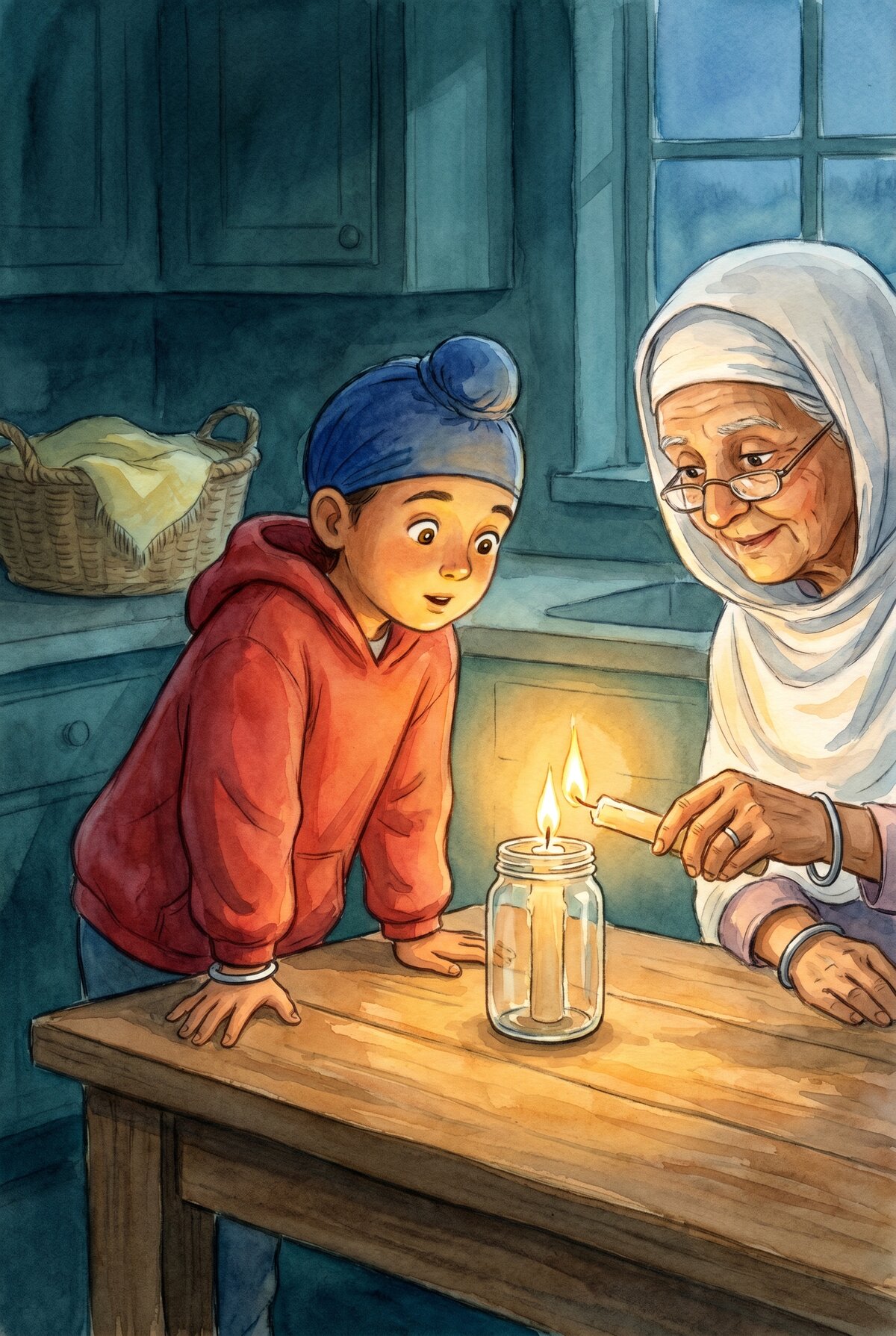
Fateh Singh and the New Light
About This Book
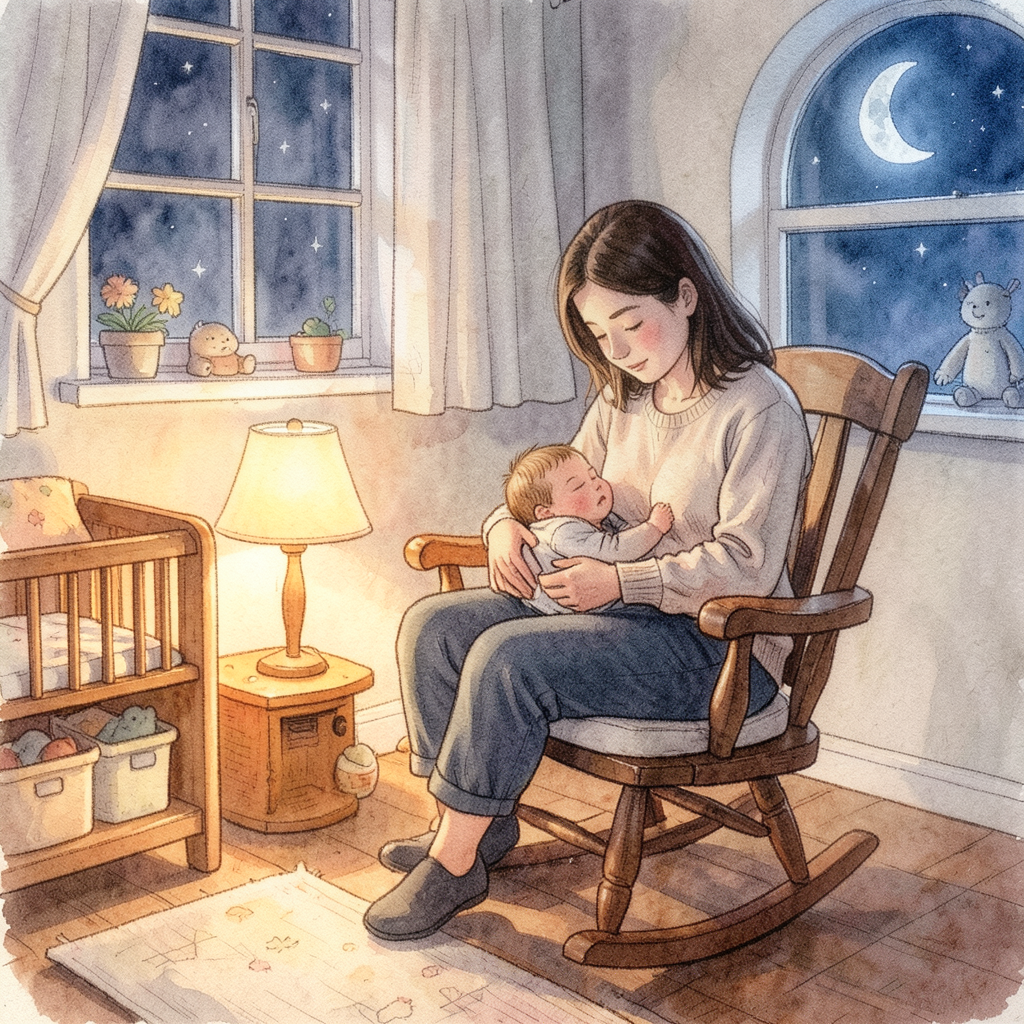
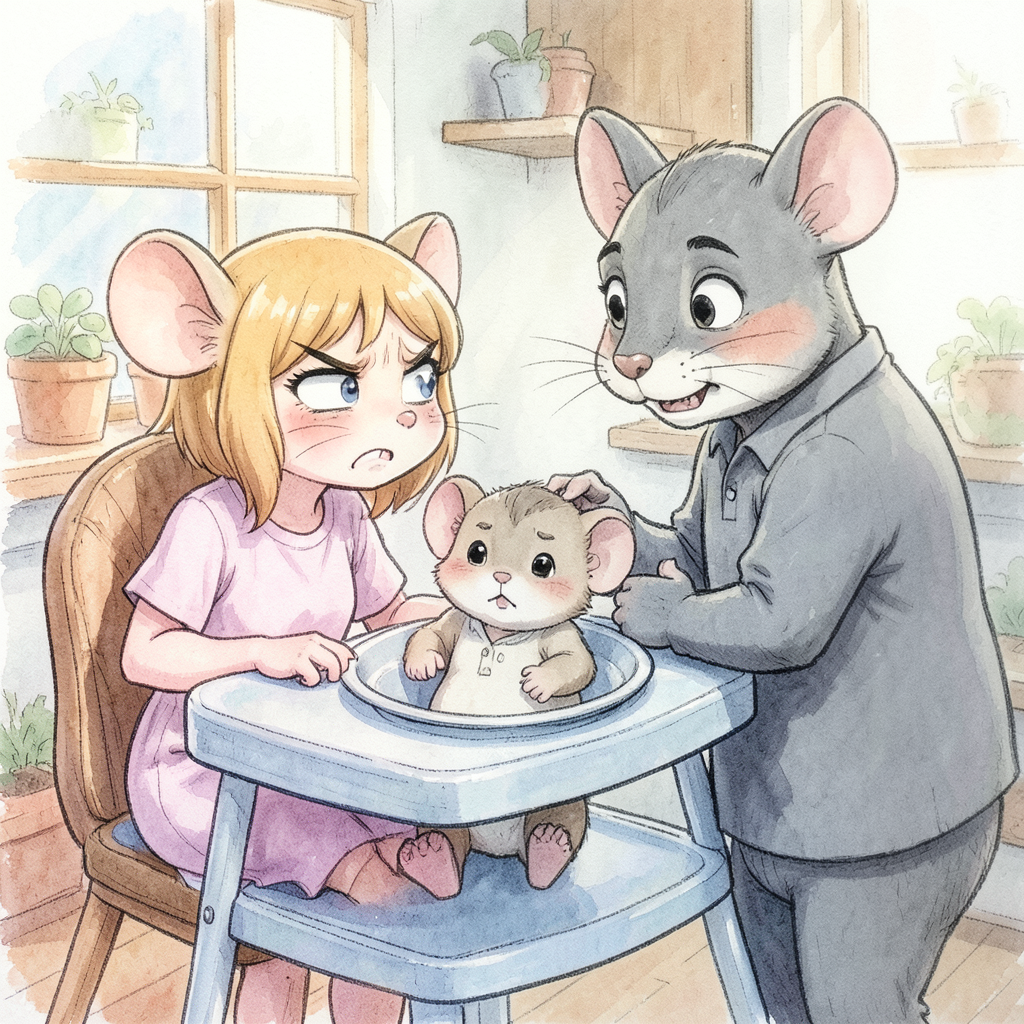
When baby sister Jot Kaur arrives home, Fateh Singh feels suddenly invisible — the centre of his world has shifted and he is not sure where he belongs. Through gentle conversation and a quiet moment of understanding, he discovers the simple truth: love shared is never love divided. A tender story about new siblings and the elasticity of family love.
Themes
SiblingsFamilyBelonging
Best For
- Families expecting a new baby who want to prepare an older child emotionally
- Children ages 4-7 who are already adjusting to a new sibling and struggling with the transition
- Sikh and Punjabi families looking for picture books that reflect their names, culture, and family life
- Bedtime reading when a child needs reassurance about their place in the family
- Classroom or library story time focused on family, belonging, or feelings
Why Parents Love This Book
Fateh Singh and the New Light captures one of childhood's most universal emotional earthquakes — the arrival of a new sibling — through the lens of a Sikh family, giving children from this community a rare chance to see themselves in a picture book. What sets this story apart is its emotional honesty. Fateh Singh does not simply welcome baby Jot Kaur with open arms; he feels invisible, displaced, unsure of where he fits in the new shape of his family. That struggle is real, and young readers will recognize it instantly. The resolution is not rushed or dismissive. Instead, through a quiet moment of genuine conversation, Fateh Singh arrives at a truth that feels earned: love is not a fixed resource that gets divided, it expands. The Sikh names and family warmth give the book cultural grounding without ever feeling like a lesson. It reads first and foremost as a deeply human story about belonging, and that is what makes it linger long after the last page is turned.
Reading Tips for Parents
Read this book before the new baby comes home if possible, and then again a few weeks after — children often respond to it differently once the reality of a sibling has set in. When you reach the moment where Fateh Singh feels invisible, pause and name the feeling aloud: "He feels left out. Have you ever felt like that?" Let your child answer without rushing to reassure them. The phrase "love shared is never love divided" is worth returning to outside the book — at bedtime, or whenever jealousy flares. You can make it a household saying. If your child is Punjabi-speaking, the names Fateh Singh and Jot Kaur offer a natural moment to talk about the meaning behind Sikh names, which can deepen the personal connection to the story.
Awards & Recognition
- No major awards on record for this title as of 2026
- Published 2024 — award eligibility cycle ongoing
Educational Value
This book helps children develop skills across multiple areas:
- Social-emotional learning: Helps children name complex feelings like jealousy, displacement, and longing for belonging in a safe, story-based context.
- Vocabulary: Introduces words like invisible, elasticity (conceptually), and tender emotions, alongside Sikh names that expand cultural literacy.
- Family dynamics: Models healthy family communication — an adult listening to a child's feelings and responding with honesty rather than dismissal.
- Identity and belonging: Reflects Sikh family culture authentically, giving children from this community affirmation and giving others a window into a different family experience.
- Empathy building: Invites readers to take Fateh Singh's perspective, practicing the skill of understanding someone else's emotional experience.
- Sibling relationship skills: Frames the arrival of a sibling as a transition to navigate together, not a competition to win or lose.
Discussion Questions
Use these questions to spark conversation before, during, or after reading:
- How do you think Fateh Singh felt when Jot Kaur first came home? Why do you think he felt that way?
- Has there ever been a time when you felt invisible or left out? What happened?
- What does it mean that love shared is never love divided? Can you think of an example from your own family?
- If you could say one thing to Fateh Singh at the beginning of the story, what would you tell him?
- How do you think Fateh Singh will feel about being a big brother as Jot Kaur grows up?
Content Notes for Parents
There are no scary, violent, or mature elements in this book. The emotional content — a child feeling displaced and invisible after a sibling's arrival — may feel poignant for children currently going through that experience, but that sensitivity is the point of the book and is handled gently.
Frequently Asked Questions
What age is this book best suited for?
The book is written for children ages 4 to 7, which covers the range most likely to be experiencing the arrival of a younger sibling for the first time. The language is accessible for beginning readers, and the emotional content resonates strongly with preschool and early-elementary children who are still working out their place in the family.
Should I read this before or after the new baby arrives?
Ideally both. Reading it before the baby comes home plants the idea that feeling mixed emotions is normal and expected. Reading it again a few weeks after the arrival, when the novelty has worn off and the adjustment is real, often lands even more powerfully. Children at that stage are ready to hear that love does not run out.
My child is an only child — is this still worth reading?
Yes, though it will resonate most with children who have or are expecting a sibling. The core themes of feeling invisible and needing reassurance that you still matter are universal enough that any child can connect with Fateh Singh's experience. It also builds empathy for friends or classmates who may be going through this transition.
Are there any content concerns I should know about?
None. This is a gentle, emotionally warm picture book with no scary, sad, or mature content. The only emotional weight is the relatable feeling of displacement, which is handled with care and resolved tenderly by the end.
We are not Sikh — will my child still connect with this story?
Absolutely. The Sikh names and family warmth give the book cultural specificity, but the emotional story is entirely universal. Children of any background will recognize Fateh Singh's feelings, and reading books that reflect cultures different from their own is itself a valuable experience that builds empathy and broadens their world.